The UN Veto: Five Powers, One Blocked World
A 1945 mechanism still paralysing the Security Council — can it survive the 21st century?
A Relic from 1945
The United Nations Security Council was designed in the ashes of the Second World War, when five victors — the United States, the Soviet Union, the United Kingdom, France, and China — were granted the extraordinary power to veto any substantive resolution. Eighty years later, that mechanism, originally intended to prevent the great powers from turning on each other, is widely seen as an institutional impasse. Critics argue it freezes in place the geopolitical divisions of 1945 rather than addressing the security threats of today. For many observers, the very architecture of the Council now feels out of step with a multipolar world.
The Case for Reform
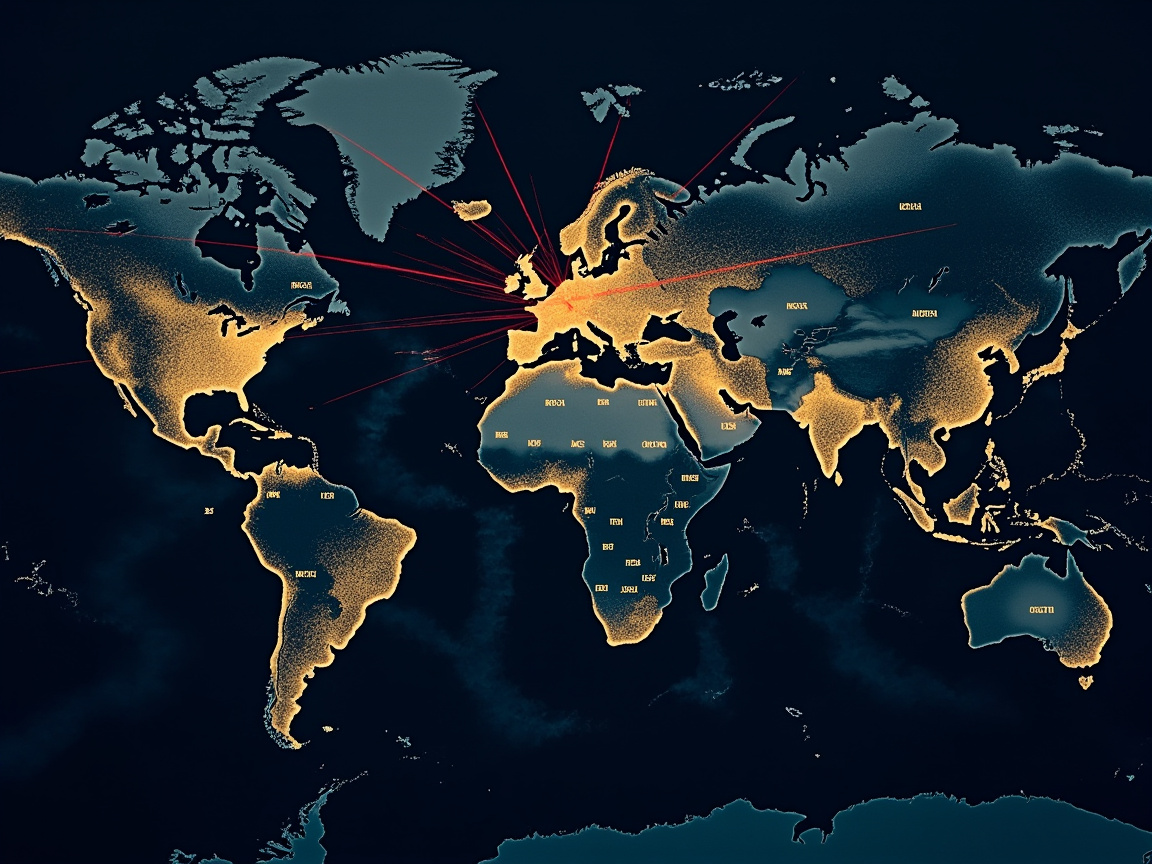
Proponents of change point to a Council that routinely fails to act on mass atrocities, climate emergencies, and major wars. When permanent members disagree, the body descends into deadlock, and entire populations pay the price. Reformers argue that expanding permanent membership to include rising powers from Africa, Latin America, and South Asia would reflect modern multilateralism and restore legitimacy to an institution that excludes more than two-thirds of humanity from its highest decision-making chamber. For them, reform is not a technical tweak; it is a moral necessity.
The Case for the Status Quo
Defenders of the current system warn that scrapping the veto outright could paralyse the Council altogether. Without a guarantee that the great powers will stay at the table, those powers may simply act outside the UN, eroding the fragile consensus the body was built to protect. Some analysts also caution that a hasty amendment to the Charter could open a Pandora's box of competing claims, ultimately weakening global sovereignty protections. In their view, an imperfect Council is still preferable to no Council at all.
Vetoes in the Age of Crisis
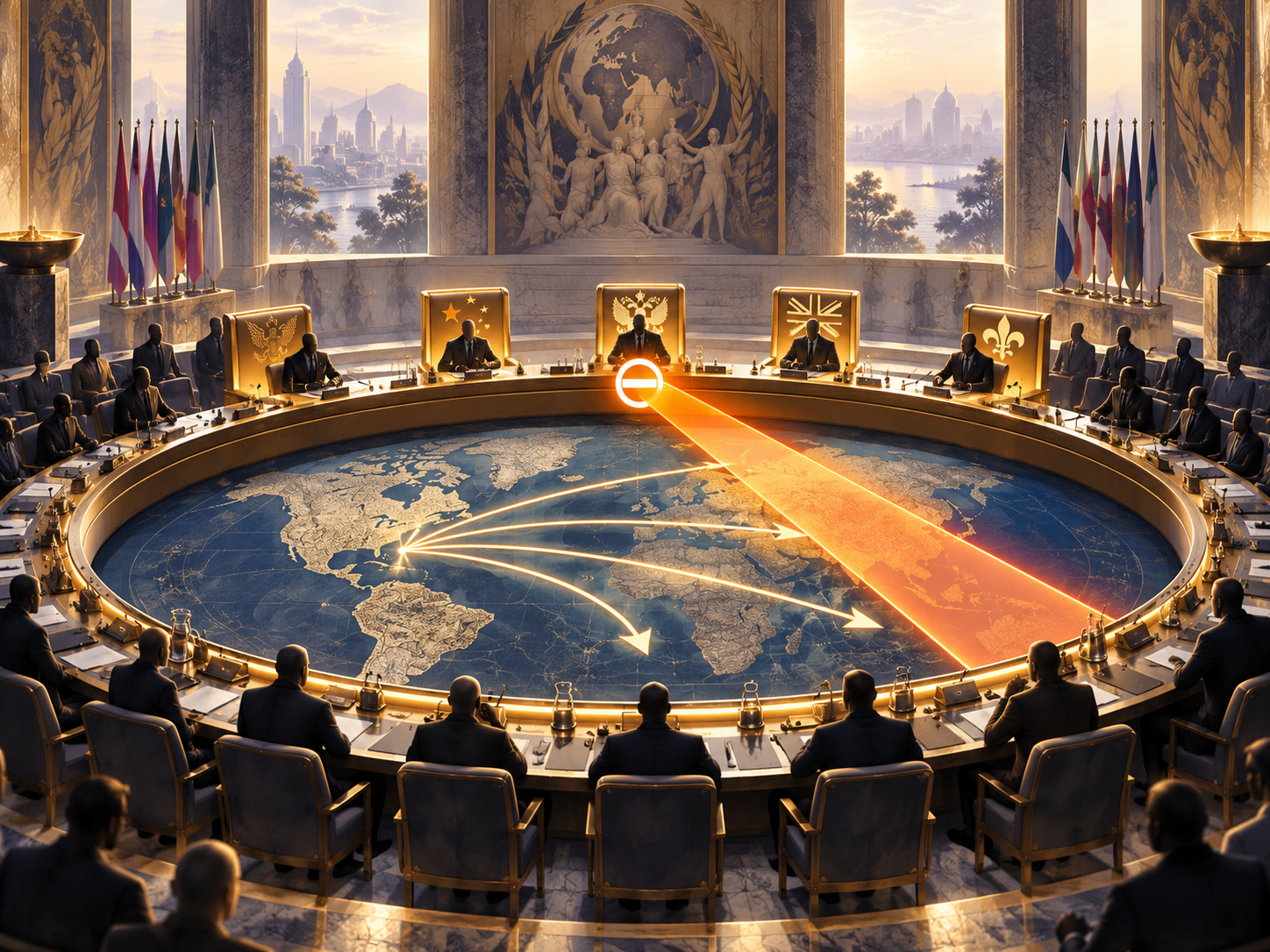
Since 2022, the Council has been unable to act decisively on the wars in Ukraine and Gaza, with repeated Russian and American vetoes leaving the UN largely sidelined. A growing coalition of middle-power states, led by France and the UK, has begun abstaining in protest and pushing for procedural workarounds. For many diplomats, the pattern has become proof that without stronger accountability, the system fails precisely when it is most needed. The result is a growing sense that the Council is watching, not acting.
What Comes Next?
A 2024 General Assembly resolution demanding permanent seats for six new members, including two from Africa, has revived the global debate. Yet any structural change requires the adversary powers themselves to agree, and history suggests this is unlikely without significant external pressure. Whether the world settles for incremental compromise or demands a radical overhaul remains the defining question of 21st-century diplomacy. For now, the chamber lights stay on, but the silence between vetoes grows louder.
Quiz
-
1Which five countries currently hold veto power in the UN Security Council?
These five powers — the victors of the Second World War — were granted veto power in 1945 and still hold it today.
-
2What is a key argument made by proponents of UN reform?
The article explains that reformers believe the veto system is undemocratic and weakens the Council's legitimacy.
-
3According to the article, why do some analysts defend the status quo?
The article states that defenders believe the veto keeps great powers engaged; without it, they may act unilaterally outside the UN.
-
4Since 2022, what pattern has the article highlighted regarding Ukraine and Gaza?
The article notes that repeated vetoes by Russia and the United States have left the Council largely sidelined on both conflicts.
-
5What is required for any structural reform of the UN Security Council?
The article explains that the five permanent members themselves would have to agree to any amendment, which is why reform is so difficult.