Inside the United Nations: Where the World Talks
Every September, world leaders meet in New York — but what does the UN really do all year?
A Building with a Big Mission
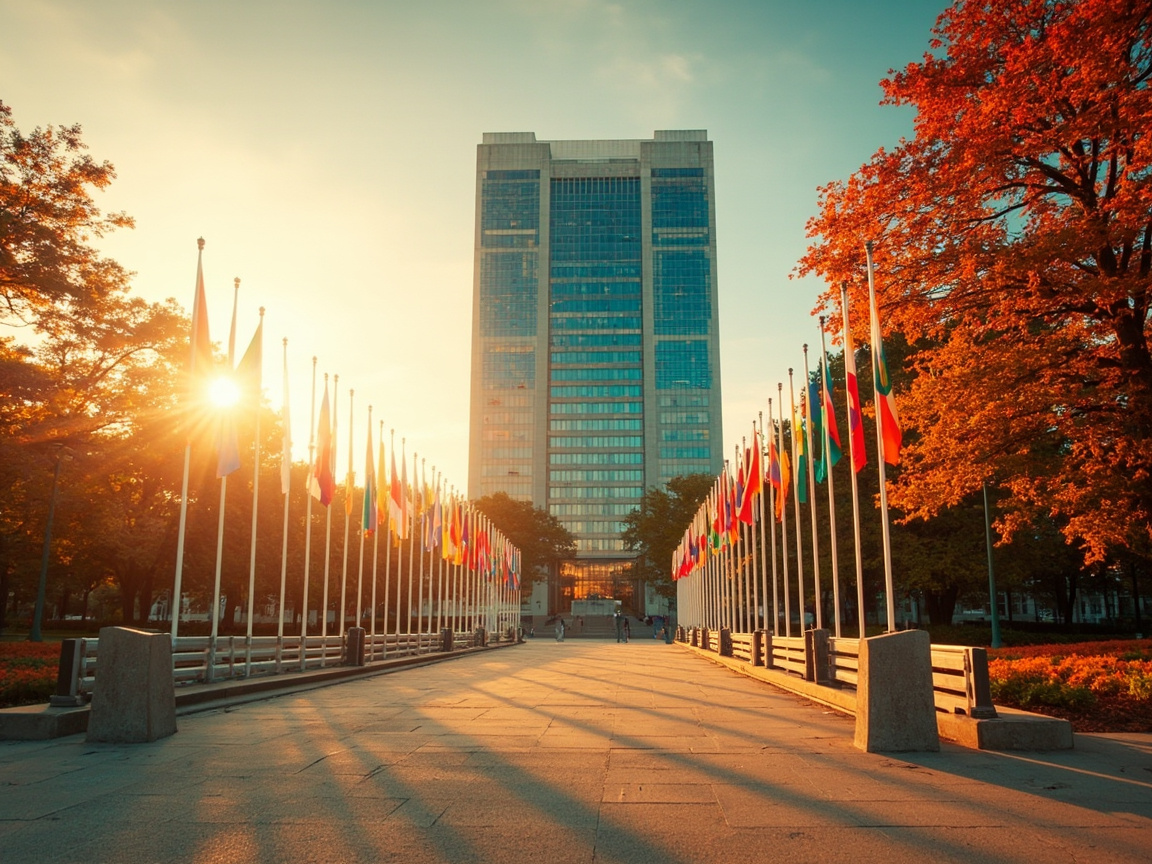
The United Nations was born in 1945, right after the Second World War. Countries wanted a place to solve problems without fighting. Today, almost every country on Earth is a member — that is 193 nations. The main headquarters stands in New York City, on the east side of Manhattan. The tall glass building is a symbol of hope and cooperation. Inside, translators work in six official languages so everyone can understand each other.
The General Assembly: One Country, One Voice
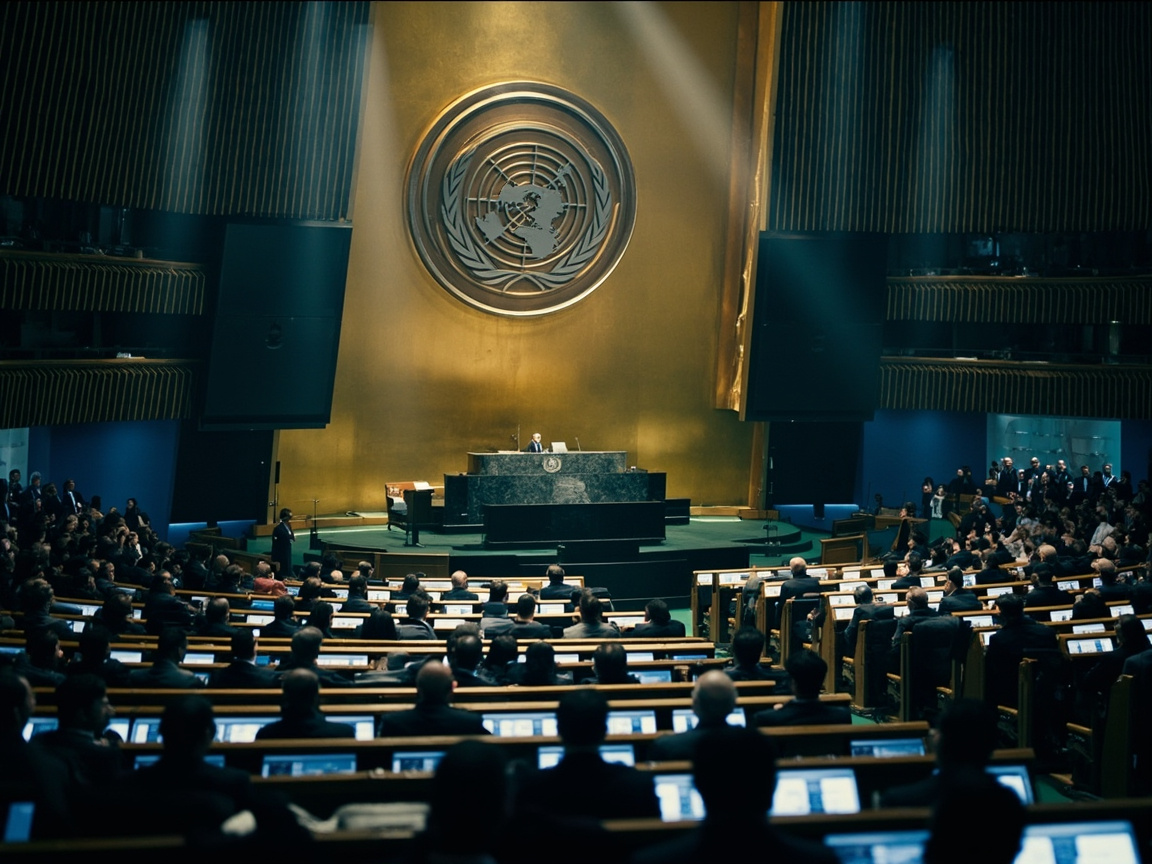
Every September, the General Assembly hall fills with thousands of people. Each country sends a leader or a delegate to speak. They discuss the big issues of our time: climate change, poverty, and wars. Countries vote on resolutions, which are formal plans or ideas. But these votes are not laws — they show what the world thinks. The Assembly is like a giant classroom where every nation has the same chair.
The Security Council: The Powerful Five
Not all members have the same power. The Security Council is smaller, with only 15 countries. Five of them are permanent members: the United States, Russia, China, France, and the United Kingdom. They can stop any decision if they say no. This power is called the veto. The Council deals with security issues and global crisises. It can send peacekeepers to conflict zones or ask countries to stop fighting.
Blue Helmets on the Ground
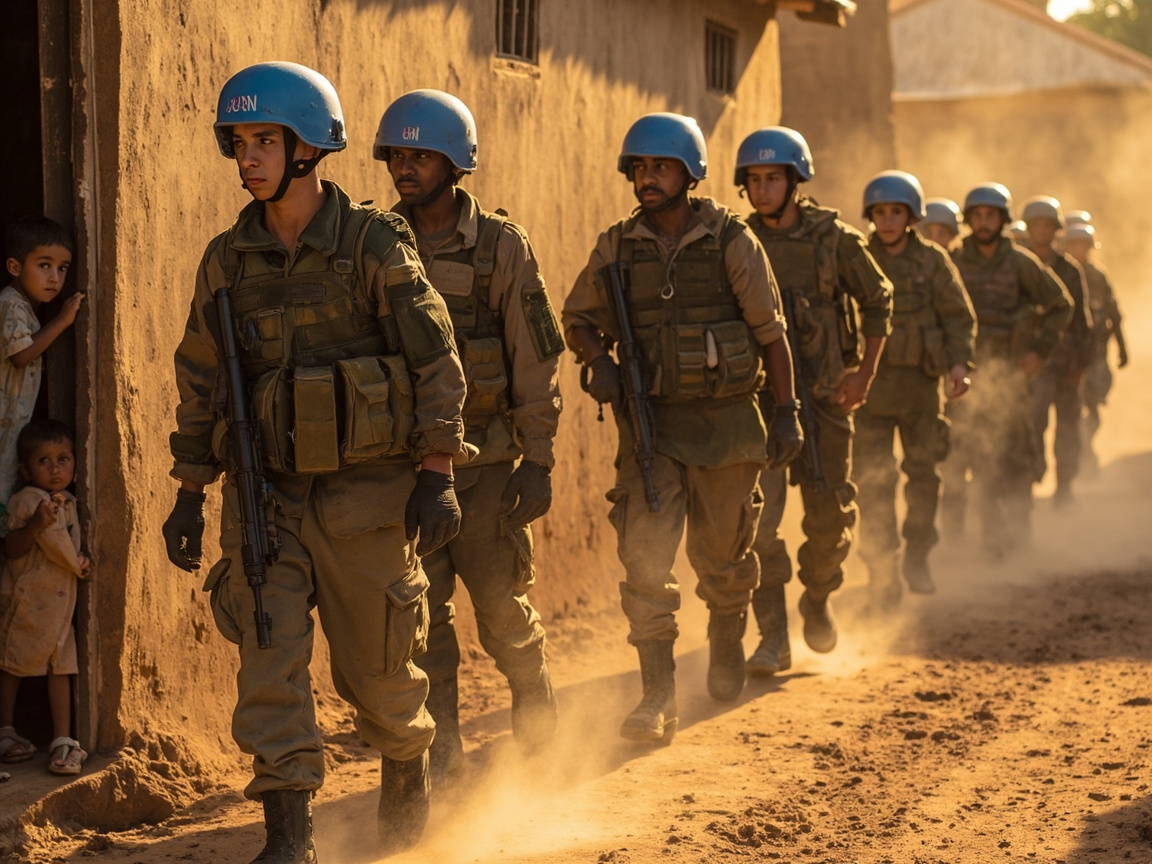
Have you seen soldiers wearing light blue helmets? They are UN peacekeeping troops. Today, more than 100,000 of them serve in places like Africa and the Middle East. Their job is to protect civilians, watch ceasefires, and help elections run fairly. Peacekeeping is one of the most visible jobs of the UN. It is also one of the most dangerous. Sadly, many peacekeepers have lost their lives trying to bring peace.
Beyond Politics: Helping People Every Day
The UN is not only about governments and diplomacy. It also runs programs that help children, refugees, and hungry families. UNICEF, the World Food Programme, and the World Health Organization are all part of the UN family. They deliver vaccines, food, and school books to people in need. This kind of humanitarian work reaches millions of lives each year. It shows that the UN is more than just meetings in New York.
Critics and Challenges
Not everyone is happy with the UN. Some people say it is too slow, too expensive, or too political. Others believe the Security Council is unfair because five countries have too much power. Reform is a word you hear often at UN summits. Still, most experts agree the world needs a place where nations can talk. Even an imperfect forum for peace is better than silence.
Quiz
-
1When was the United Nations created?
The article says the UN was born in 1945, right after the Second World War.
-
2How many countries are members of the UN?
The article states that almost every country is a member, which equals 193 nations.
-
3What is a 'veto' in the Security Council?
The article explains that the five permanent members can stop any decision with a veto.
-
4What color are the helmets of UN peacekeepers?
The article describes UN peacekeepers as soldiers wearing light blue helmets.
-
5Which of the following is NOT a permanent member of the Security Council?
The article lists the five permanent members as the US, Russia, China, France, and the UK — not Germany.