Who Owns the Past? The Great Museum Debate
From the Benin Bronzes to the Elgin Marbles, a culture feature on the global fight over colonial treasures
The British Museum's Controversial Galleries
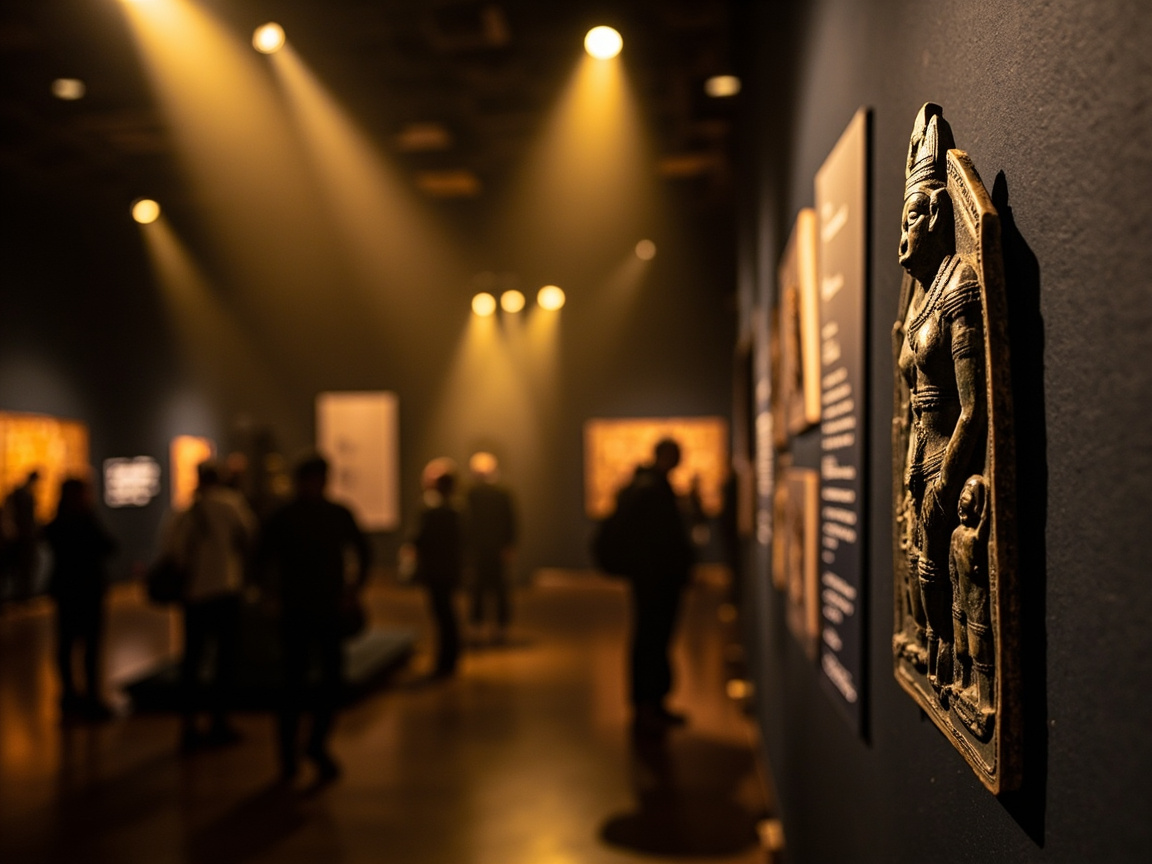
Every year, millions of visitors walk through the British Museum in London and pause before a small but striking display of metalwork from West Africa. Around 900 objects — often called the Benin Bronzes — remain in the museum's collection, even as calls for their return grow louder. These intricate bronze and ivory sculptures were taken from the royal palace of the Benin Kingdom in present-day Nigeria in 1897, during a British military expedition. Their provenance is unusually well documented, which makes the case for restitution particularly strong. Nigerian officials, artists, and cultural leaders have asked for the bronzes back for more than a century.

What Were the Benin Bronzes, Really?
The objects known as the Benin Bronzes are not a single artwork but a wide range of ceremonial and decorative pieces. They were made between the 16th and 17th centuries by skilled artisans of the Benin Kingdom, one of the most powerful states in pre-colonial West Africa. Originally, they decorated the palace of the Oba, or king, in Benin City. The collection includes plaques, masks, and figures that recorded the history, religion, and daily life of the royal court. For the Edo people, they are not simply artifacts — they are living heritage and historical archives made in metal.
A Global Reckoning
The debate over the Benin Bronzes is part of a much wider movement. Greece has long demanded the return of the Elgin Marbles from the Parthenon, and Egypt has asked for the Rosetta Stone. Indigenous communities in North America, Australia, and New Zealand have called for the repatriation of human remains and sacred objects held in overseas institutions. In 2021, France returned 26 works to Benin and has since signed similar agreements with Senegal and Madagascar. The question of who owns history is no longer a side issue — it is reshaping museum policy around the world.
Arguments For and Against Return
Those who support restitution argue that Western museums have benefited from looted objects for too long. They believe that keeping these items perpetuates colonial injustice and that the works belong with the descendants of the people who made them. Opponents often raise concerns about preservation, claiming that European museums have better climate control, funding, and security. Some defend the older idea of a universal museum, which holds that great art belongs to all humanity, not to a single nation. This argument, however, is increasingly seen as outdated by a younger generation of visitors and scholars.
New Models of Sharing
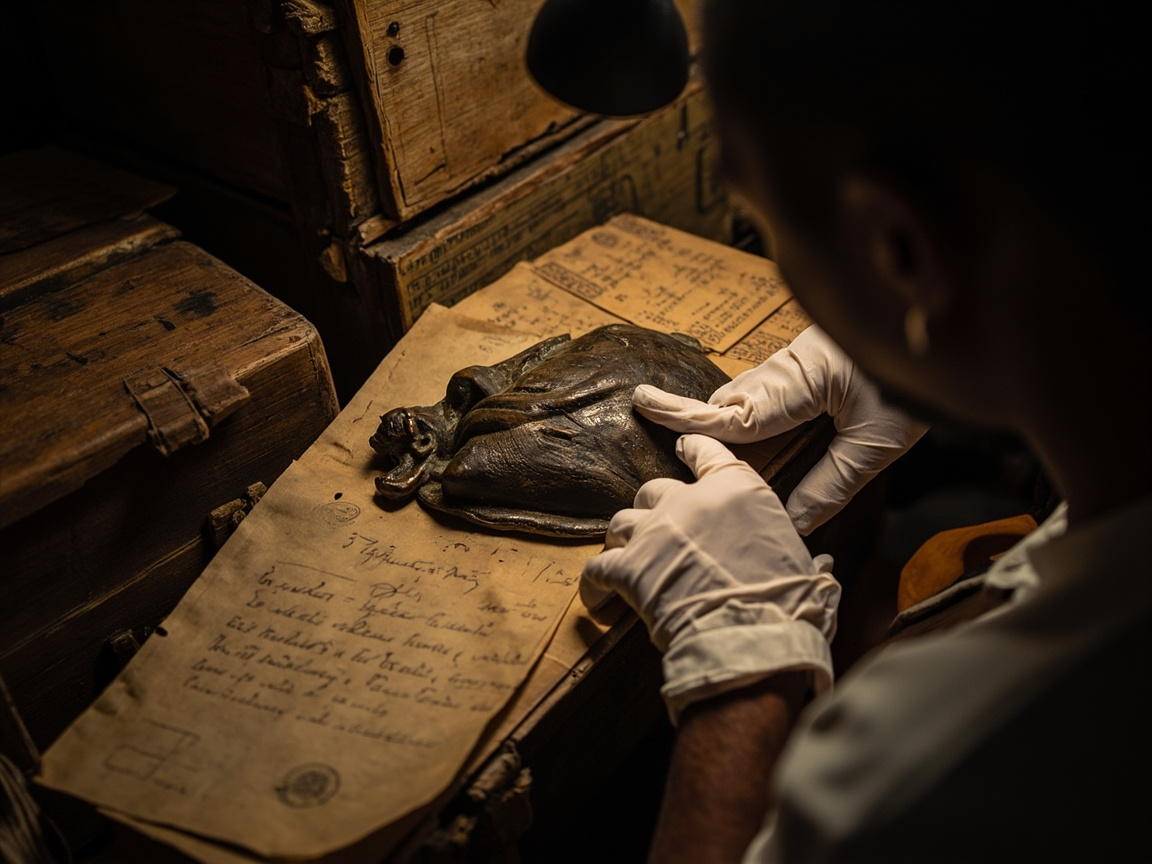
Faced with mounting pressure, some institutions are trying collaborative approaches rather than waiting for legal battles. Germany has been a leader: in 2022 it returned dozens of Benin Bronzes and helped fund a new museum in Benin City. The British Museum has proposed long-term loans, digital sharing, and co-curation with Nigerian partners as alternatives to permanent return. Smaller museums in the United States and Belgium have begun to return items directly, after reviewing the ethics of past acquisitions. These models try to balance public access with respect for the cultures of origin.
The Future of the Museum
The question "who owns history?" will define the 21st-century museum. Younger curators are pushing for more transparent acquisition policies, and visitors increasingly want to know where objects come from and how they arrived. Museums that refuse to engage with this conversation risk losing public trust and relevance. Those that succeed will be the ones that treat history not as a private possession but as a contentious and shared conversation between cultures.
Quiz
-
1According to the article, in which year were the Benin Bronzes taken by British forces?
The article states that the bronzes were taken in 1897 during a British military expedition.
-
2What has been Germany's approach to the Benin Bronzes?
The article explains that Germany has returned dozens of bronzes and helped fund a new museum in Benin City.
-
3Which country is mentioned as wanting the return of the Elgin Marbles?
The article notes that Greece has long demanded the return of the Elgin Marbles from the Parthenon.
-
4What does the 'universal museum' idea claim?
The article defines the universal museum as the idea that great art belongs to all humanity.
-
5According to the article, what are younger generations of curators pushing for?
The article states that younger curators are pushing for more transparent and ethical acquisition policies.