Dark Sky Tourism: Chasing the Stars
A growing number of travellers are planning their holidays around the absence of light — and discovering the night sky as they have never seen it before.
A New Kind of Holiday
Dark sky tourism is one of the fastest-booming travel trends of the year. Travellers are leaving behind busy cities and heading to remote places where the night sky is still bright with stars. Instead of visiting museums or beaches, they plan their holidays around the lunar calendar and meteor showers. For many, the main attraction is simply looking up.
Where Darkness is Protected
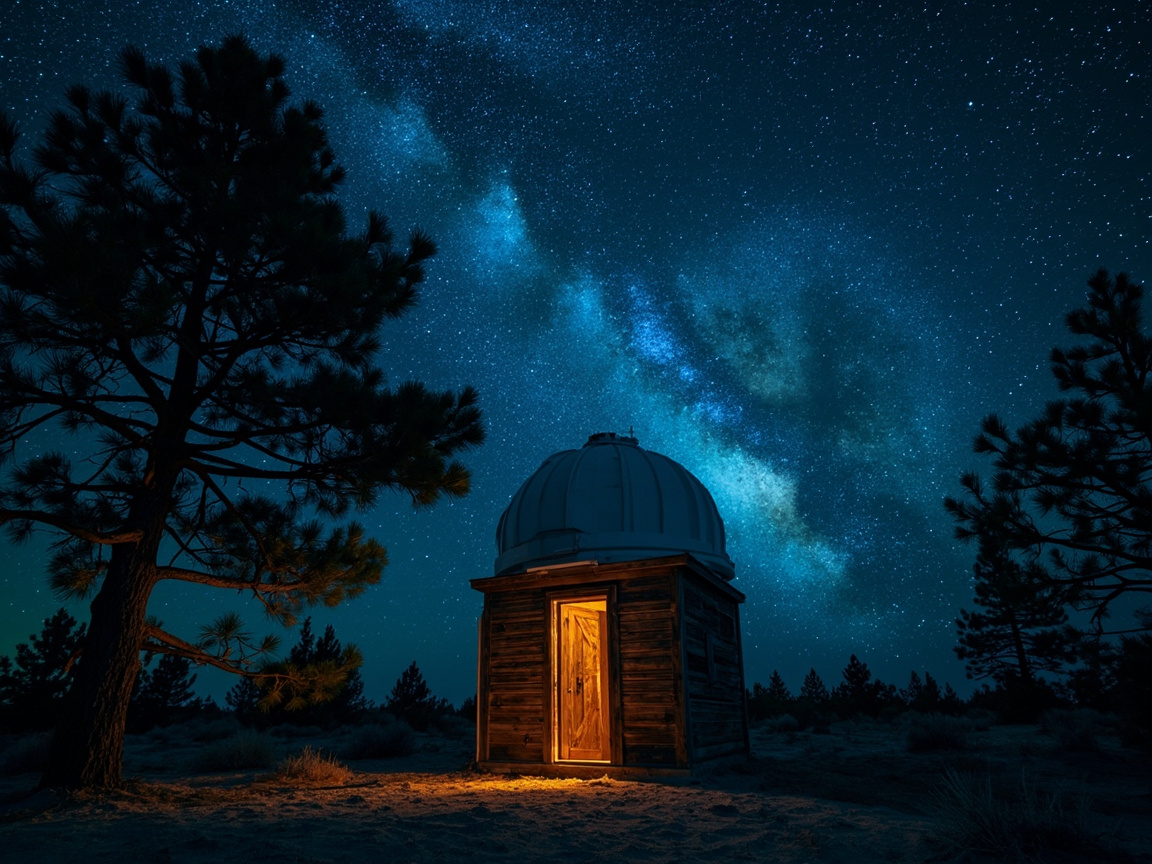
Several countries have created official dark sky reserves, areas where artificial light is strictly controlled. Parks in the United States, New Zealand, Namibia, and Scotland now welcome visitors who want to experience pristine night skies. The International Dark-Sky Association awards this special status to places that work hard to preserve the natural darkness. Some reserves are no larger than a small village, but they can offer the clearest views of the universe on Earth.
The Experience of a Star-Filled Night
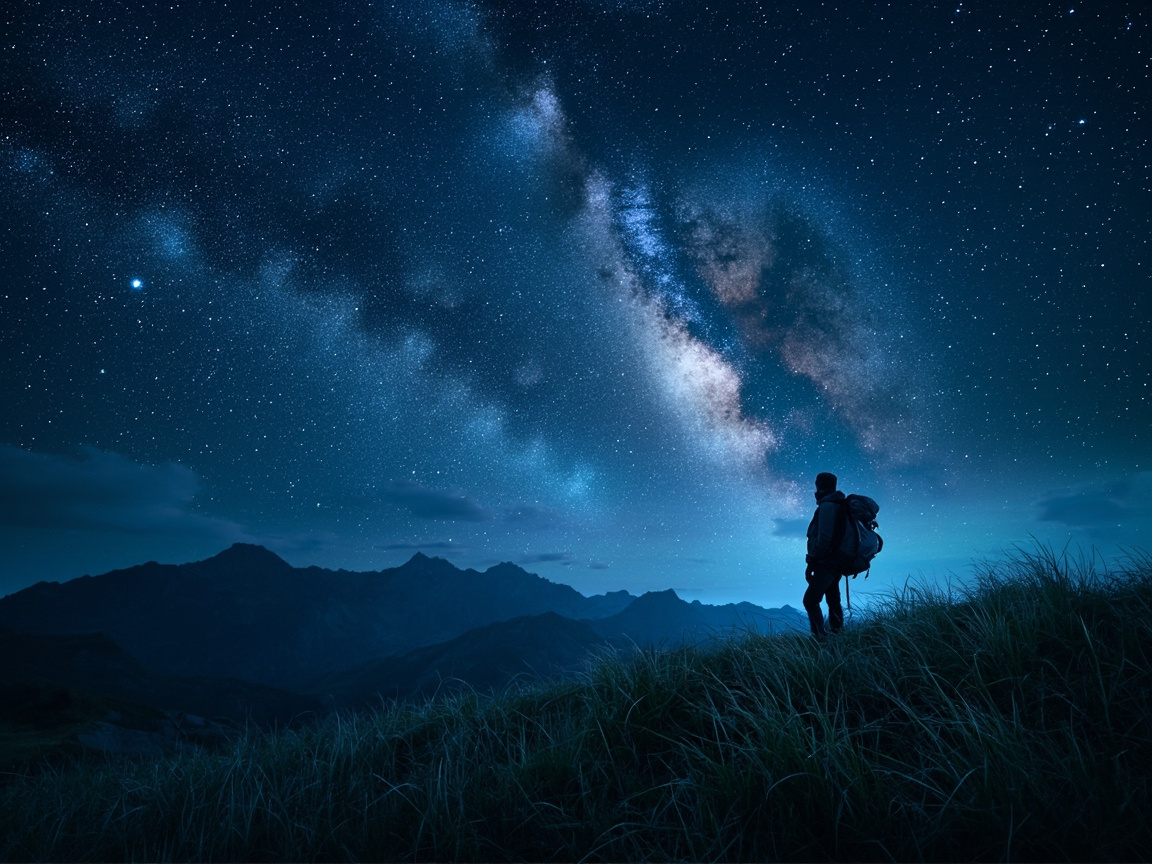
Arriving at a dark sky location can feel almost shocking. After the first few minutes, visitors begin to see thousands of stars, the Milky Way stretching across the horizon, and even distant planets without using a telescope. Many travellers try astrophotography, taking long-exposure photos that capture colours the human eye cannot easily see. Local guides often point out constellations and share stories from ancient cultures that used the same stars to navigate.
A Boost for Local Communities
Dark sky tourism is bringing new income to small towns that once struggled economically. Family-run guesthouses, eco-lodges, and small observatories report that bookings have doubled in some regions. Restaurants stay open later, and local guides earn extra money by leading night walks and astronomy talks. For young people in the area, the industry offers a real reason to stay and build a future close to home.
Light Pollution and Why It Matters
Experts say that more than 80% of the world's population lives under light-polluted skies. Street lamps, shop windows, and phone screens wash out the stars and harm nocturnal wildlife such as moths, bats, and migrating birds. Astronomers warn that future generations may completely lose the view of the Milky Way if nothing changes. Protecting dark areas is therefore not a romantic idea — it is a serious environmental issue.
Tips for First-Timers
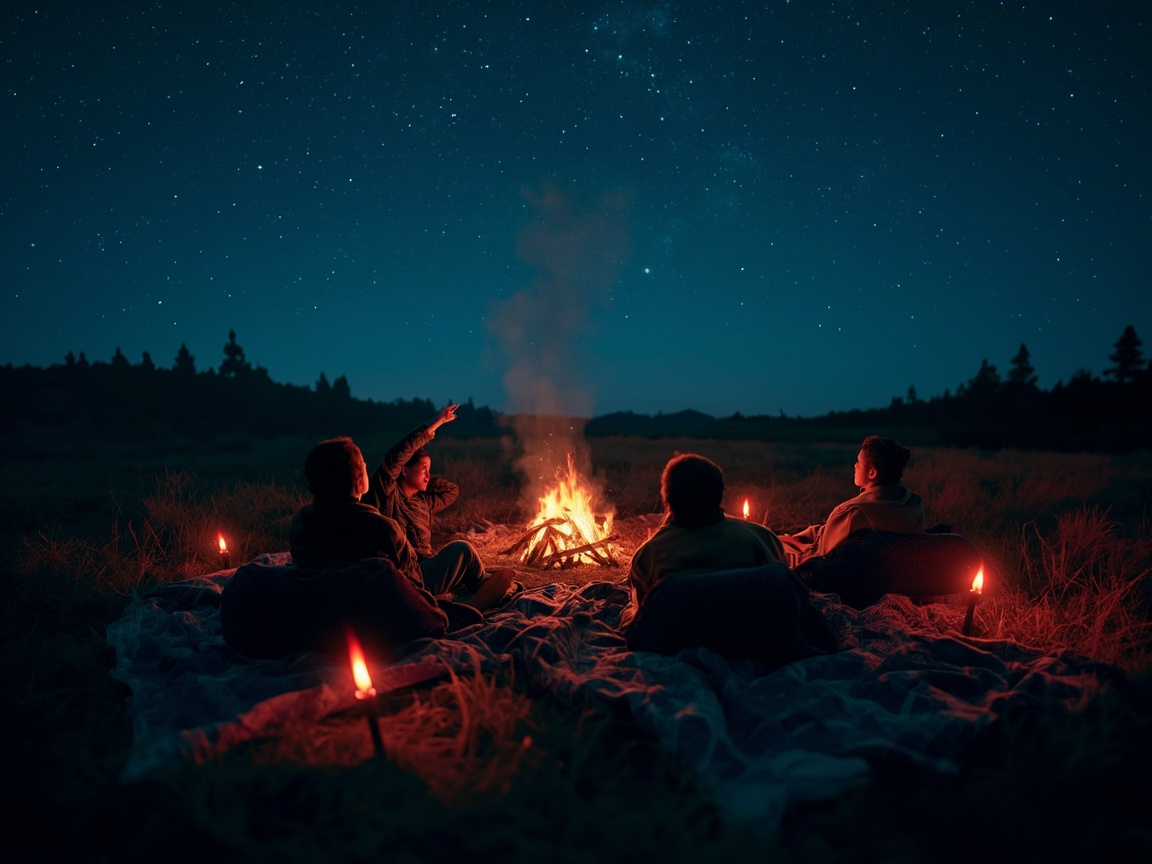
Anyone can try dark sky tourism without spending a fortune. Choose a night with a new moon, when the sky is darkest, and check the weather forecast for clear skies. Bring warm clothes, a red torch (white light destroys your night vision), and a simple stargazing app on your phone. Most importantly, give your eyes at least 20 minutes to adjust to the darkness — then the universe appears.
Quiz
-
1What is dark sky tourism mainly about?
The article explains that travellers go to remote places to experience natural, unpolluted night skies.
-
2Which organisation officially awards dark sky status to protected areas?
The article names the International Dark-Sky Association as the body that gives the special status.
-
3How long should visitors wait for their eyes to fully adjust to the dark?
The tips section recommends giving your eyes at least 20 minutes to adjust to the darkness.
-
4According to the article, what share of the world's population lives under light-polluted skies?
The article states that more than 80% of the world's population lives under light-polluted skies.
-
5What is one economic benefit of dark sky tourism mentioned in the article?
The article says dark sky tourism is bringing new income to small towns that once struggled economically.