Conditionals: Real and Imagined Situations
A complete map of 'if' sentences — from everyday facts to imagined outcomes.
Explanation
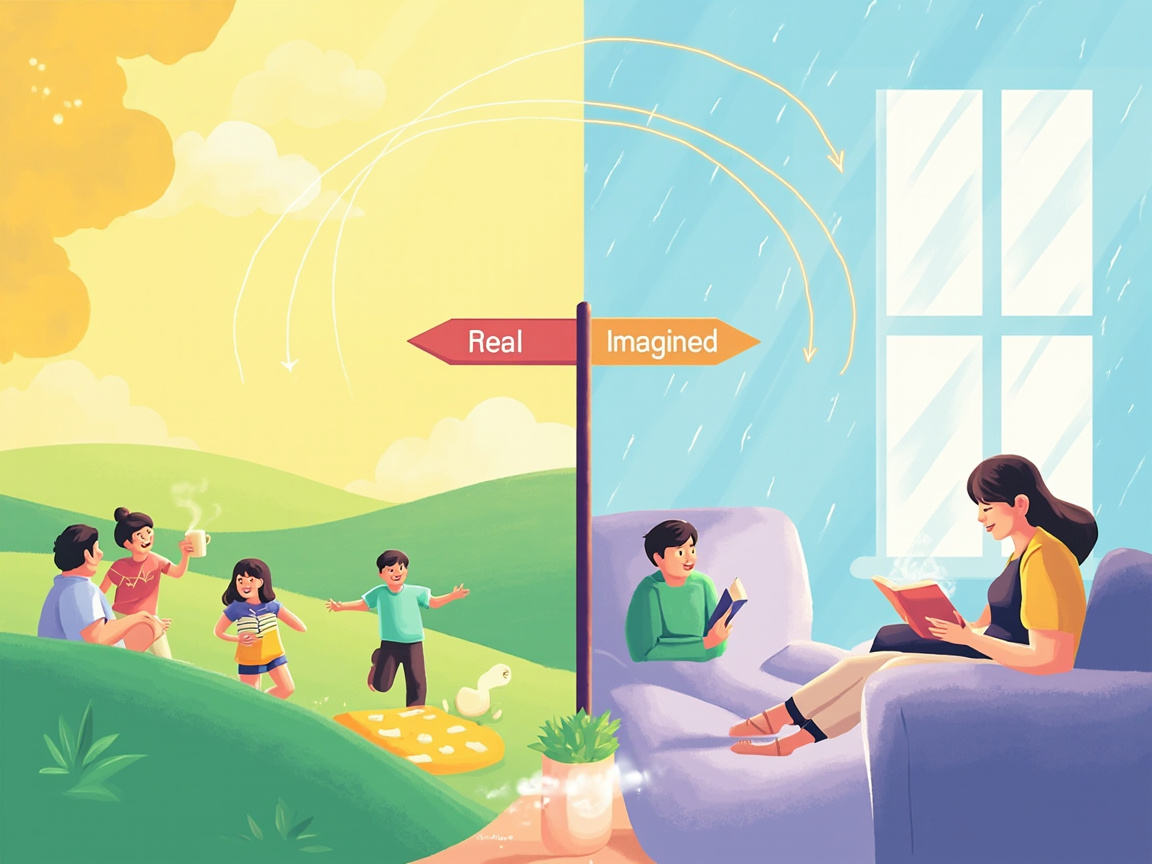
English conditionals let us talk about how one situation depends on another. There are four main types, and each one combines a particular 'if-clause' with a particular result. The four types move from facts you can rely on to situations that exist only in your imagination. Zero conditional — for facts that are always true, like laws of nature or habits. Structure: If + present simple, present simple. First conditional — for real or likely future results. Structure: If + present simple, will + base verb. Second conditional — for hypothetical or unlikely situations in the present or future. Structure: If + past simple, would + base verb. Third conditional — for imagined past situations and their imagined results. Structure: If + past perfect, would have + past participle. You may also see mixed conditionals, where the time in the if-clause is different from the time in the result clause.
Examples
Zero conditional (always true):
- If you heat water to 100°C, it boils.
- If I drink coffee late at night, I can't sleep.
First conditional (real future):
- If it rains tomorrow, we will cancel the picnic.
- If you study hard, you will pass the exam.
Second conditional (imagined present/future):
- If I won the lottery, I would travel the world.
- If she were here right now, she would help us.
Third conditional (imagined past):
- If we had left earlier, we would have caught the train.
- If you had told me, I would have come.

Common mistakes
- Using 'will' in the if-clause. ❌ If it will rain tomorrow, we will stay home. ✅ If it rains tomorrow, we will stay home.
- Mixing tenses in the result clause. ❌ If I had studied, I will pass the exam. ✅ If I had studied, I would have passed the exam.
- Forgetting 'have' in the third conditional. ❌ If she would have arrived earlier, we met her. ✅ If she had arrived earlier, we would have met her.
- Using 'was' with I/he/she/it in a formal second conditional. ❌ If I was rich… ✅ If I were rich… (especially in writing and exams)
- Adding an unnecessary comma. When the if-clause comes second, no comma is needed: I would have called if I had known.
In real life
At a café — Alex and Sam are looking at travel photos. Sam: These photos are amazing. I wish I'd taken more trips when I was younger. Alex: Yeah? If you had travelled more, you would have had photos like these. Sam: True. If I were twenty again, I would do it completely differently. Alex: Well, it's not too late. If you save a little every month, you will be able to go next year. Sam: And if I book early, I usually get cheaper flights. Alex: Exactly. If you heat your travel dreams, opportunities boil up. Just call it the zero conditional of life!
Quiz
-
1Which conditional is used to talk about general truths and habits?
The zero conditional uses 'If + present simple, present simple' to describe facts that are always true.
-
2In the sentence 'If it rains tomorrow, we will cancel the picnic', what tense follows 'if'?
In the first conditional, the if-clause uses the present simple, not 'will'.
-
3Which sentence correctly uses the third conditional?
The third conditional uses 'If + past perfect' in the if-clause and 'would have + past participle' in the result.
-
4According to the article, which of these is a common mistake?
The article warns against using 'will' in the if-clause of first conditionals.
-
5In the dialog, what type of conditional is 'If I were twenty again, I would do it completely differently'?
It describes a hypothetical present situation using 'If + past simple' (were) and 'would + base verb'.