Water Diplomacy: Rivers That Cross Borders
How the Nile and the Mekong became testing grounds for one of the 21st century's most delicate political challenges.
A River Knows No Border
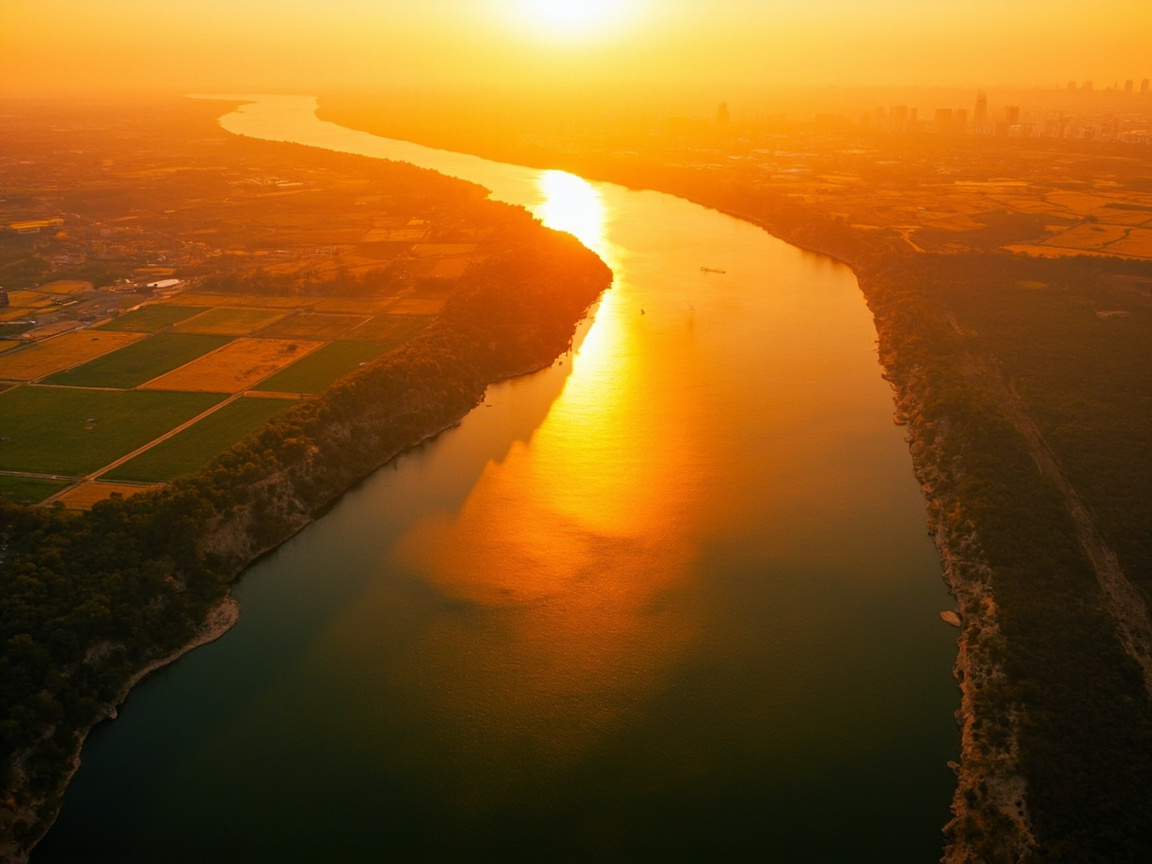
The Nile flows through eleven countries. The Mekong crosses six. When rain falls in one nation, the consequences ripple downstream for thousands of kilometres. As climate change intensifies drought and floods, governments are discovering that the rivers they share are also the disputes they must solve together. Water, in other words, has become a central arena of international diplomacy.
The Grand Ethiopian Renaissance Dam and the Nile
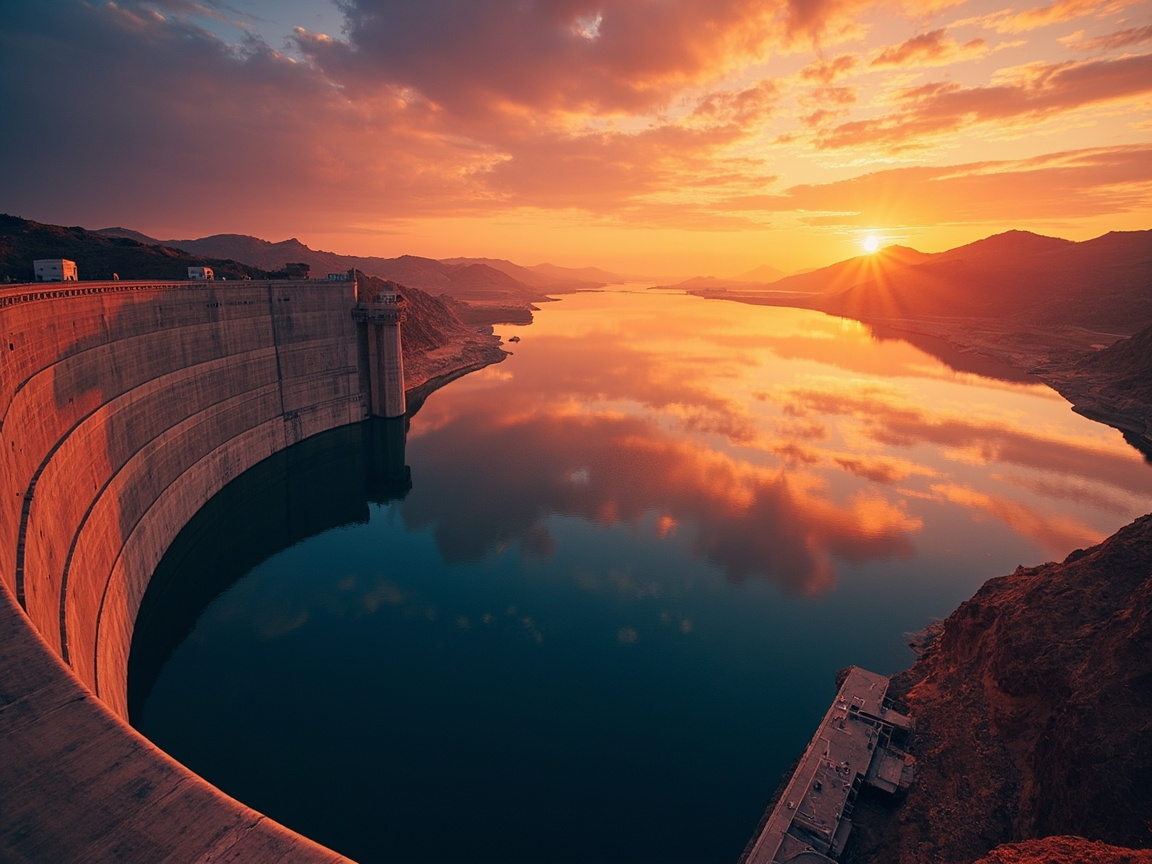
For most of the 20th century, the colonial-era agreements over the Nile gave Egypt and Sudan the lion's share of its waters. Ethiopia, the source of the Blue Nile, was largely excluded. The Grand Ethiopian Renaissance Dam, Africa's largest hydropower project, has upended that balance. After years of tense negotiations, Ethiopia, Egypt and Sudan have agreed to negotiate in good faith over filling and operating the reservoir — though no final treaty has yet been signed.
The Mekong and the Power of Upstream Dams
Far to the east, the Mekong tells a similar story. China has built a chain of dams along the upper river, generating hydropower for its booming cities. Downstream, Vietnam, Cambodia, Laos and Thailand rely on the river for rice fields, fish and trade. When China holds back water during a drought, or releases it suddenly, farmers and fishermen feel the shock within days. Critics argue that the lack of a binding basin-wide accord leaves smaller nations exposed.
Why Water Is Different
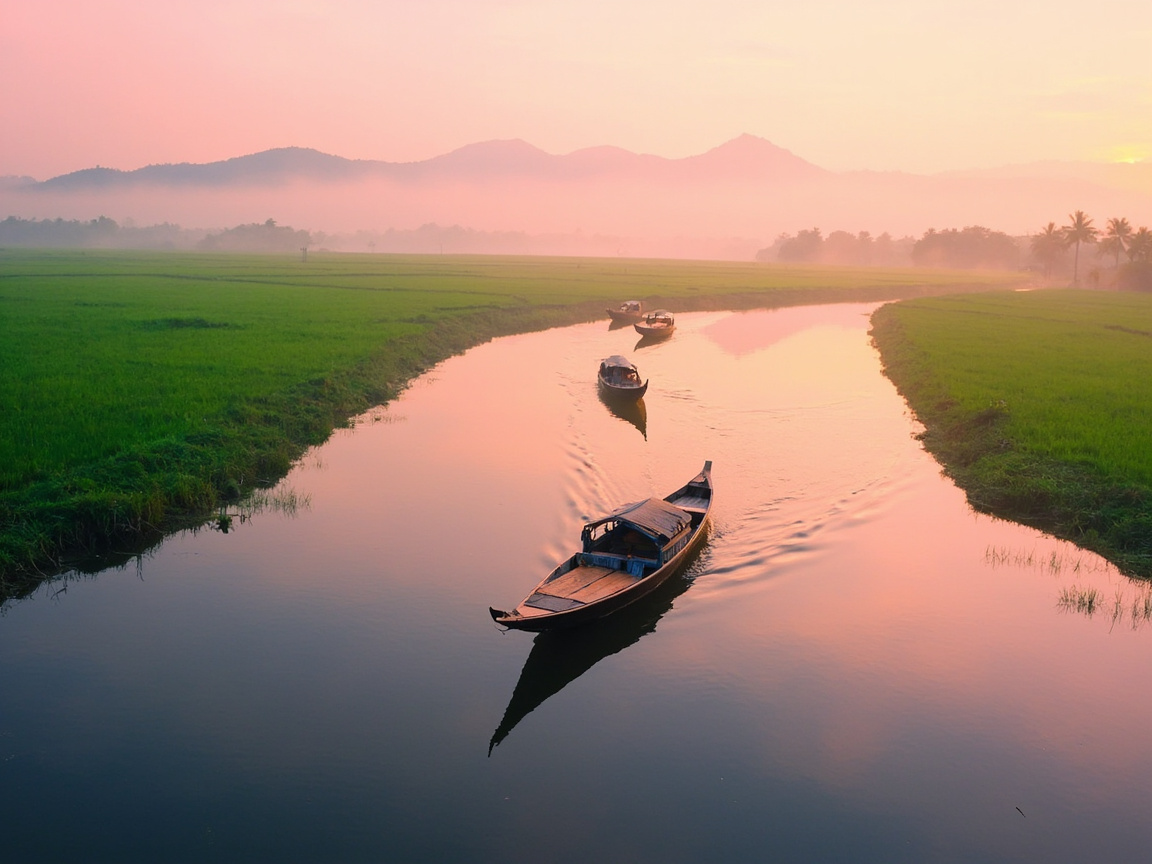
Unlike oil or gas, water is not easily replaced. It sustains ecosystems, fuels irrigation and supplies cities. Economists note that water has both a sovereign value and a shared one, and that makes the politics unusually complicated. Treaties covering the Danube, the Rhine and the Indus took decades to negotiate, but most observers agree that cooperate is the only realistic path. The alternative, experts warn, is instability that no country can afford.
A Template for the Future?
The Mekong River Commission, a four-nation body, has no power to adjudicate disputes, but it does provide a forum for dialogue. Some scholars suggest that a similar model, applied to the Nile Basin Initiative, could help. Others argue for a stronger, treaty-based body with the authority to allocate water in times of scarcity. Either way, the message from rivers like the Nile and the Mekong is the same: nations that share a watershed must learn to cooperate, or they will all pay the price.
Quiz
-
1How many countries does the Nile flow through, according to the article?
The article states that 'the Nile flows through eleven countries.'
-
2What is the main purpose of the Grand Ethiopian Renaissance Dam?
The article describes the dam as 'Africa's largest hydropower project.'
-
3Which country has built a chain of dams along the upper Mekong?
The article states that 'China has built a chain of dams along the upper river.'
-
4What is the role of the Mekong River Commission, according to the article?
The article says the Commission 'has no power to adjudicate disputes, but it does provide a forum for dialogue.'
-
5Why, according to economists, is the politics of water unusually complicated?
The article notes that 'water has both a sovereign value and a shared one, and that makes the politics unusually complicated.'