Holi: When the World Turns Into a Rainbow
Why millions throw coloured powder every March — the ancient story and the joyful celebration
The Story Behind Holi
Holi is one of the most joyful festivals in the world. People in India and Nepal have celebrated it for many centuries, and today Indian communities around the world also enjoy this happy tradition. The holiday marks the end of winter and the arrival of spring, when flowers bloom and the weather turns warm. It also celebrates the victory of good over evil, a powerful idea that appears in many old stories. The most famous legend tells of a kind young prince called Prahlad and his cruel aunt Holika, who tried to harm him but failed.
The Night of Bonfires
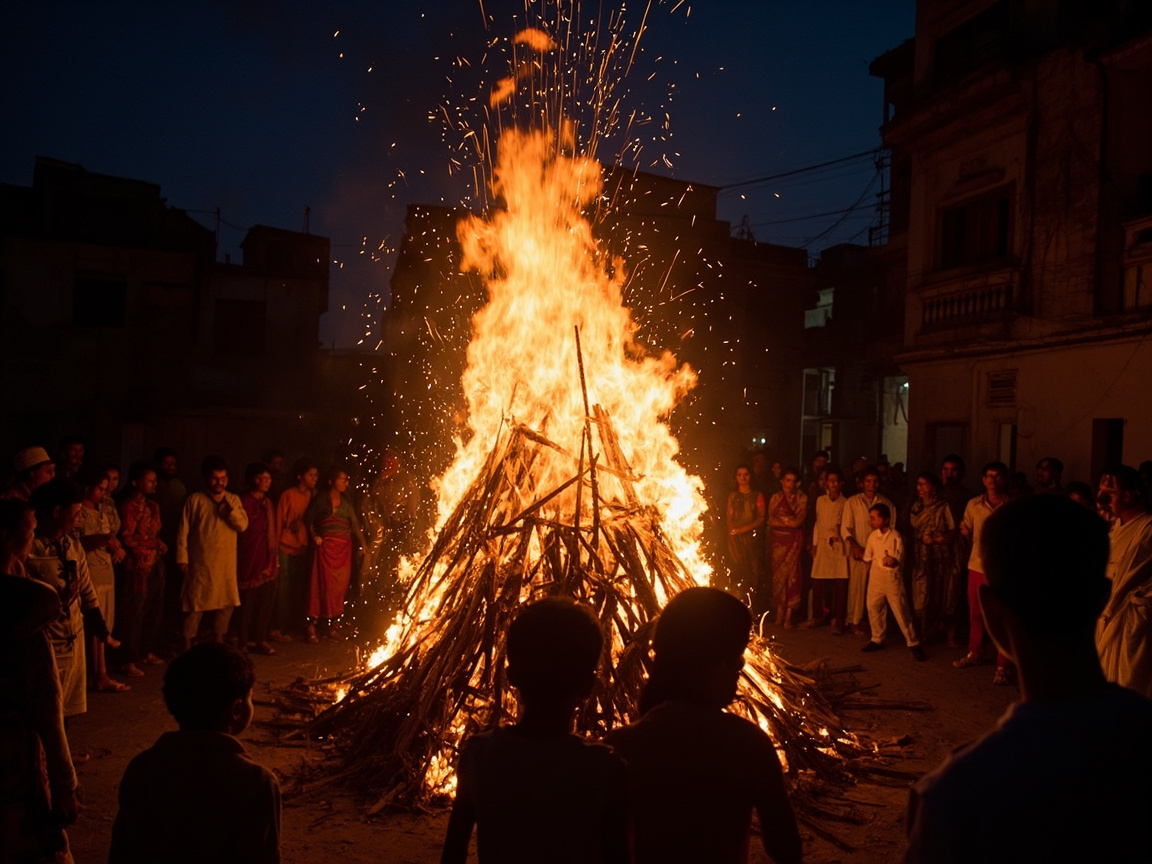
The night before the colours, families gather around a large bonfire in a ceremony called Holika Dahan. People sing songs, tell stories, and sometimes walk around the fire three times for good luck. The flames remind everyone of the ancient legend and the triumph of good over evil. In many cities, neighbours bring wood and food to share, turning the street into a small community party. For many families, this quiet evening is one of the most meaningful traditions of the whole celebration.
The Day of Colors
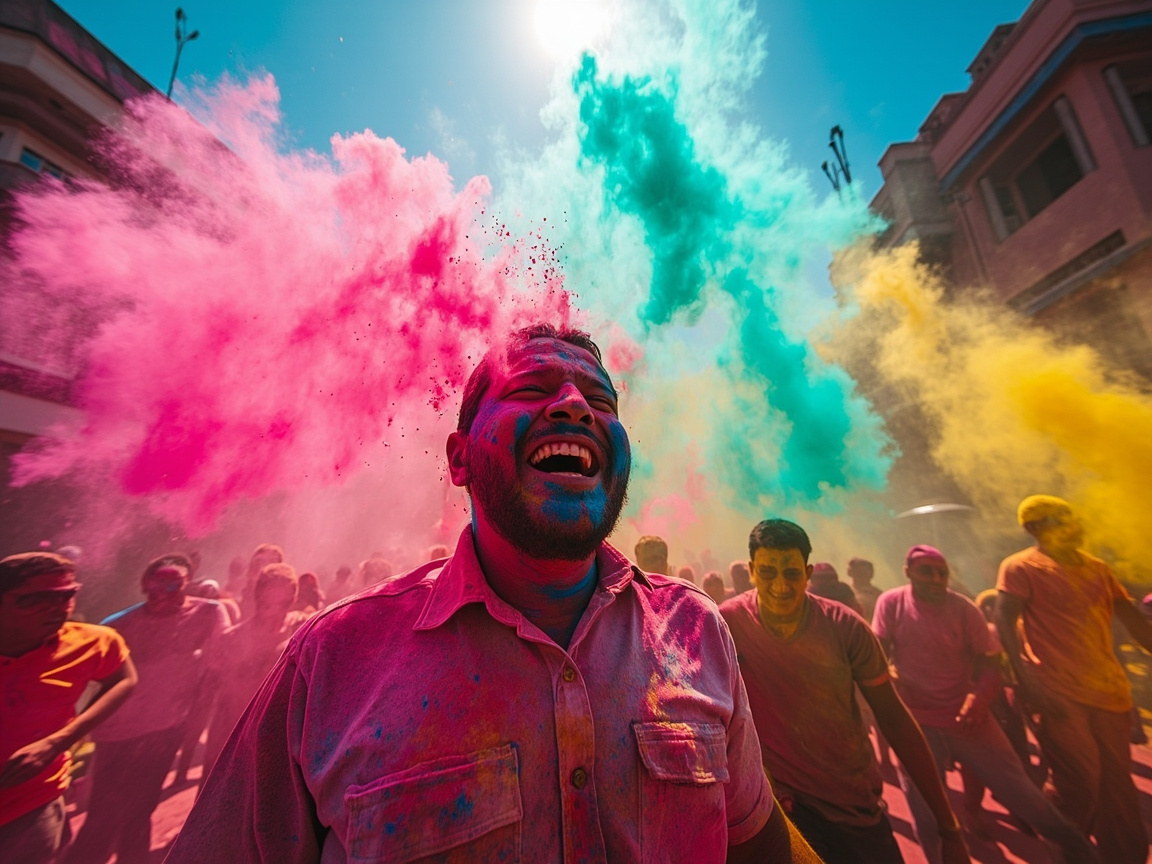
The next morning, the streets turn into a rainbow of powder and water. People splash each other with dry coloured powder called gulal and throw buckets of coloured water from rooftops and balconies. Within minutes, nobody's clothes are clean — and that is exactly the point. Being drenched in colour is a sign of joy, equality, and friendship, because the powder does not care if you are rich or poor. By the end of the day, faces, hair, and sidewalks glow in every shade of the rainbow, creating the vibrant pictures that travel across the world on the news.
Food, Music, and Dance
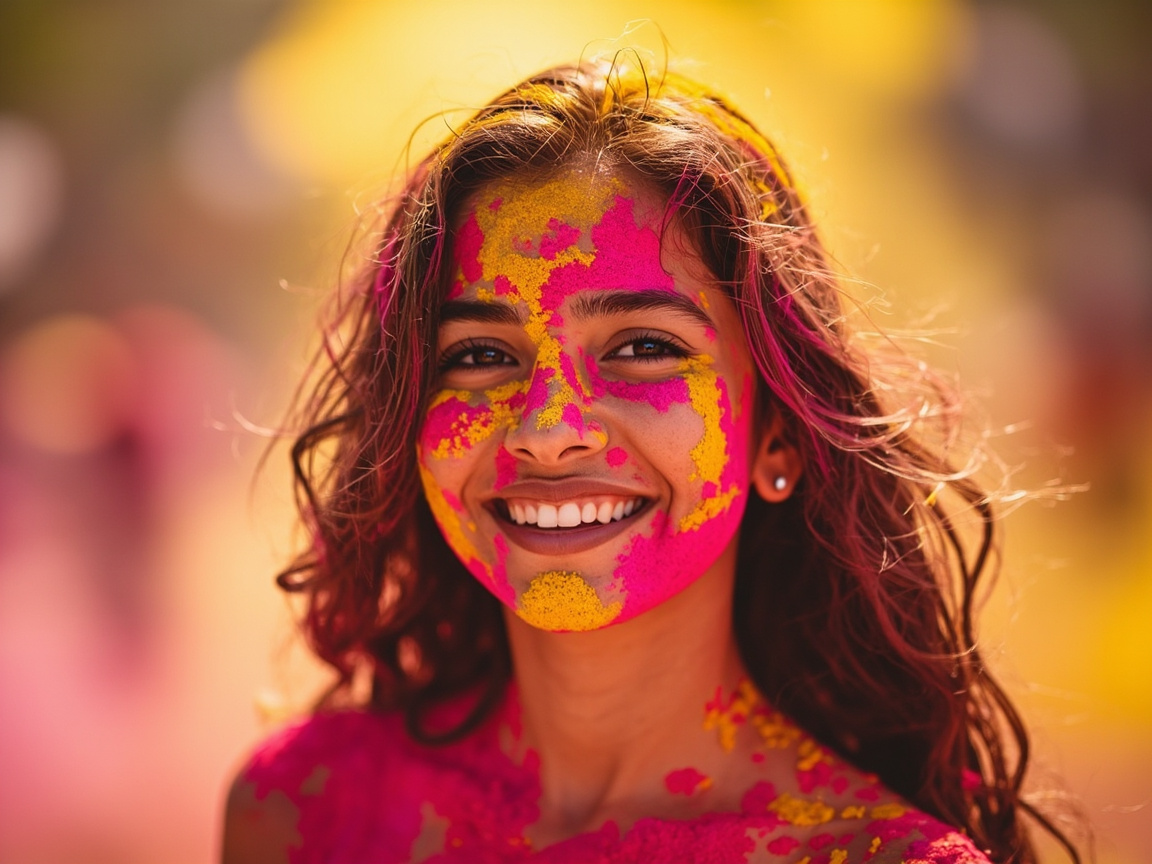
Holi is also a feast for the senses. Families prepare special sweets like gujiya, small fried dumplings filled with sugar and nuts, and share cool drinks such as thandai, made with milk, almonds, and rose petals. Music plays from every corner, and the steady rhythm of drums pulls people into the streets to dance. Strangers become friends for a day, hugging, laughing, and posing for photographs covered from head to toe in colour. The combination of sweet food, loud music, and bright colour makes Holi an experience nobody forgets.
Holi Around the World Today
Today, people celebrate Holi far beyond India. Large festivals take place in London, New York, Sydney, and many other cities, where South Asian communities and curious visitors come together. For many people, Holi is also a moment of forgiveness — a chance to forget old arguments and start the spring with a clean heart. Tourists love the event because it is one of the most photogenic celebrations on the planet. Yet for local families, it remains a deeply meaningful time to honour their ancestors, meet relatives, and welcome the new season with open arms.
Quiz
-
1What season does Holi welcome?
The article explains that Holi marks the end of winter and the arrival of spring.
-
2Who is the kind young prince in the Holi legend?
The article says the legend tells of a kind young prince called Prahlad and his cruel aunt Holika.
-
3What is the ceremony the night before Holi called?
The article explains that families gather around a bonfire in a ceremony called Holika Dahan.
-
4What is gulal?
The article states that gulal is the dry coloured powder people throw during the celebration.
-
5What is one modern meaning of Holi for many people?
The article says that for many people, Holi is a moment of forgiveness and a chance to forget old arguments.