The Race to Save Coral Reefs
From sun-bleached skeletons to underwater nurseries, scientists are racing to give the world's dying reefs a second chance.
The Crisis Beneath the Waves
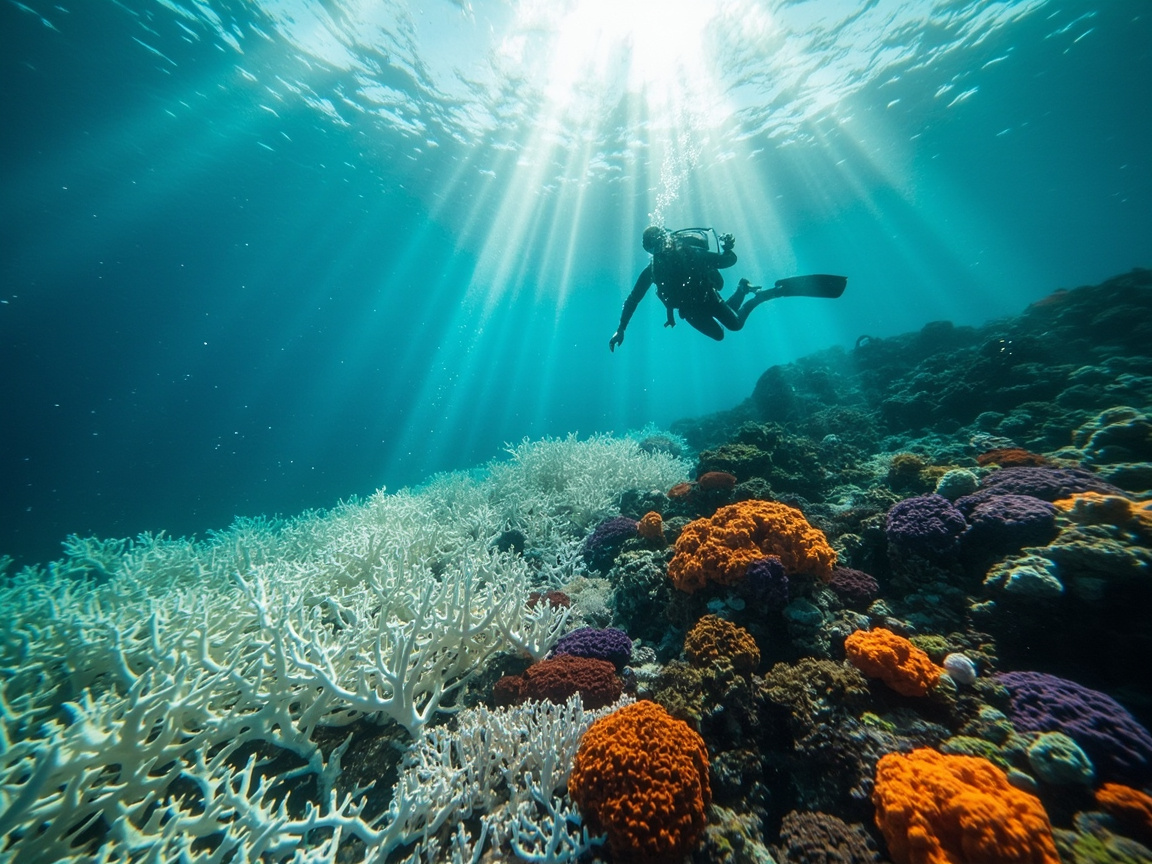
Stretching along the coasts of more than 100 countries, coral reefs are among the most fragile ecosystems on Earth. When ocean temperatures rise, the tiny algae that feed coral leave their home, and the reefs turn ghostly white in a process called bleaching. Without these algae, coral slowly starves. Scientists warn that the world's reefs face an unprecedented crisis. In 2024 alone, surveys showed that more than 60% of the Great Barrier Reef showed signs of heat stress. The window for action, experts say, is closing fast.
Coral Nurseries: A Lifeline Underwater
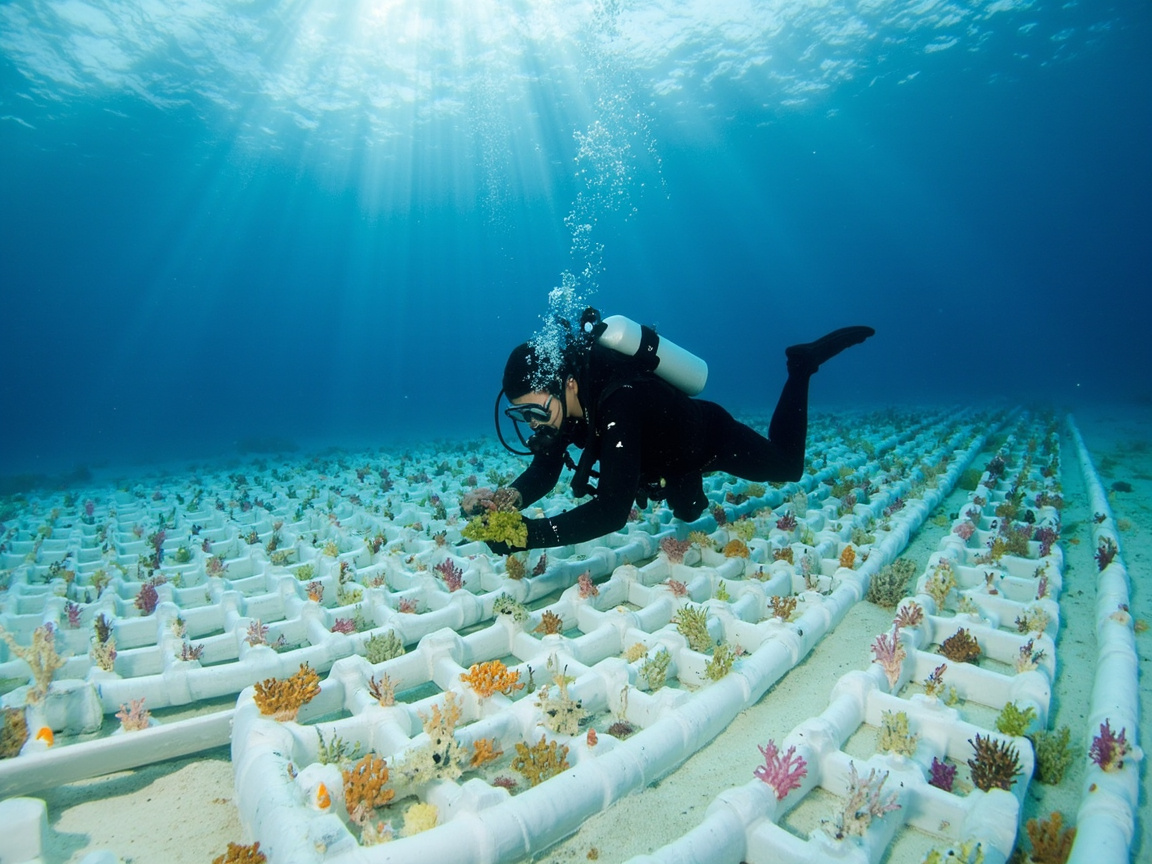
On the seafloor, rows of small coral fragments hang from underwater frames like clothes on a line. These are coral nurseries, and they are at the heart of modern reef restoration. A marine biologist or volunteer carefully attaches baby corals to small plugs, then lowers them back into the sea. Over months, the corals grow strong enough to be transplanted onto a damaged reef. The goal is simple: help coral populations thrive again. In Florida, the Maldives, and Indonesia, nursery projects have already restored thousands of square meters of reef.
The Hunt for Heat-Proof Coral
Not all coral is the same. Some colonies can survive warmer water without bleaching, and researchers are now identifying these resilient super-coral. By combining fragments from these tough survivors, scientists hope to boost genetic diversity and create stronger offspring. The work is slow and expensive, but it is highly innovative. In labs in Australia and the Philippines, experiments are testing which coral strains can handle temperatures that would kill weaker types. The hope is that one day, heat-proof coral will be the norm rather than the exception.

Challenges and Critics
Despite the excitement, reef restoration faces serious questions. The biggest threatened factor is not the science but the speed of climate change. Critics argue that planting nursery coral is like treating a fever while the patient sits in a burning room. Funding is also limited, and sustainable solutions require long-term commitment from governments and local communities. Some researchers say that without a rapid cut in carbon emissions, even the toughest coral strains will struggle to survive.
A Race Against Time
Still, there is hope. A recent conservation report offers a glimpse of what is possible: reefs that were declared dead five years ago are now home to fish, sea turtles, and young corals. Community programs that train local divers as reef gardeners are also spreading worldwide. Saving the world's coral will take more than science, but the progress so far proves that determined humans can help nature recover. The race is not over, and every healthy reef matters.
Quiz
-
1What happens during coral bleaching?
The article explains that when algae leave the coral, the reef turns white and slowly starves.
-
2What is the main purpose of a coral nursery?
Nurseries are used to grow baby corals that can later be placed on damaged reefs.
-
3Why do scientists look for 'super-coral'?
The article says researchers search for resilient coral that can handle hotter temperatures.
-
4What is one criticism of reef restoration mentioned in the article?
Critics warn that climate change must be addressed or the new coral will not survive.
-
5According to the article, why does the situation still offer hope?
The final section describes reefs that have recovered thanks to restoration work.