The Melting North: How a Thawing Arctic Is Reshaping Global Trade
As polar ice retreats, new shipping routes are redrawing the world's map — and its conflicts.
A Once-Impassable Ocean Becomes a Highway
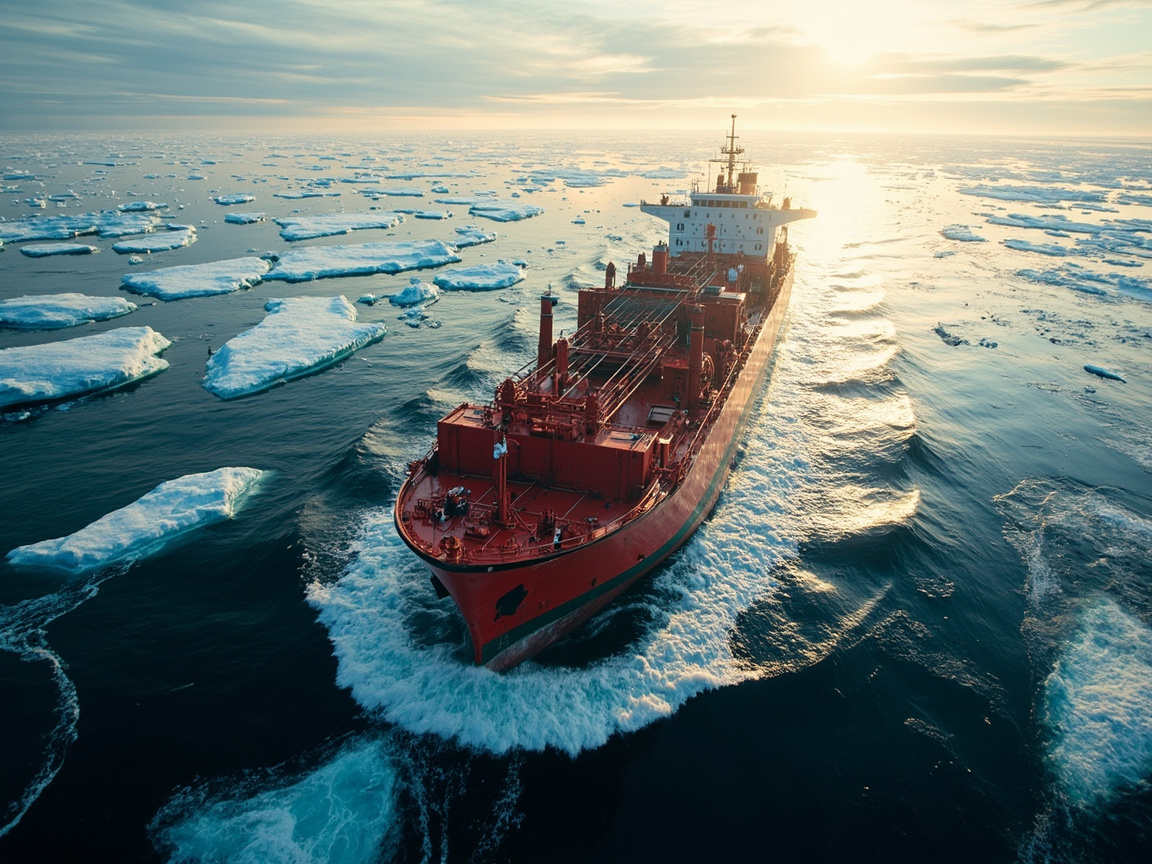
The Arctic is warming nearly four times faster than the rest of the planet. Each summer, satellite images show a growing blue mosaic where thick white ice once stood. This retreat of the polar ice cap is not just an environmental story — it is also a story of economics, power, and human ambition. For centuries, the Northwest Passage and the Northern Sea Route were the stuff of explorers' nightmares. Today, they are slowly becoming the next frontier of global trade, watched closely by shipping companies and governments alike.
The New Routes: Shorter, Cheaper, Riskier
The two main passages cut thousands of kilometres off traditional journeys between Europe and Asia. A vessel sailing from Rotterdam to Yokohama via the Northern Sea Route can save up to 40 percent in fuel compared with the route through the Suez Canal. For shipping companies, the savings are lucrative, and the routes are now accessible for several weeks each year. Yet navigation in these waters remains treacherous. Floating ice, sudden fog, and outdated charts still test even the most experienced crews.
Competing Claims Under the Ice
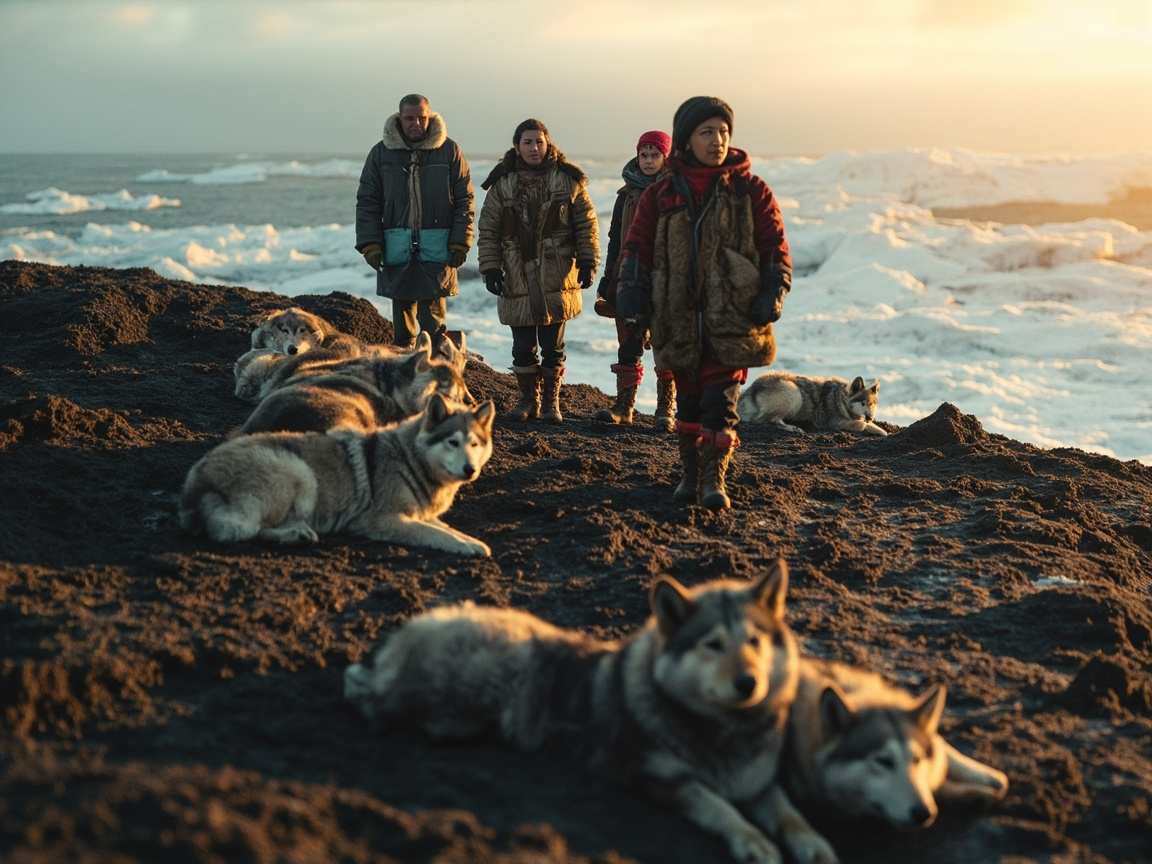
The opening of the Arctic has also reopened old political wounds. Russia, the United States, Canada, Denmark, and Norway all border the region, and each is laying claim to large parts of the seabed. The issue of sovereignty is now strategically urgent, because whoever controls the ice may also control the oil, gas, and minerals beneath it. Analysts warn that the lack of a clear consensus on maritime law could turn the Arctic into a new theatre of dispute. Military exercises have multiplied along the littoral zones, and dialogue between rivals has become harder to maintain.
An Uncertain Future for Arctic Communities
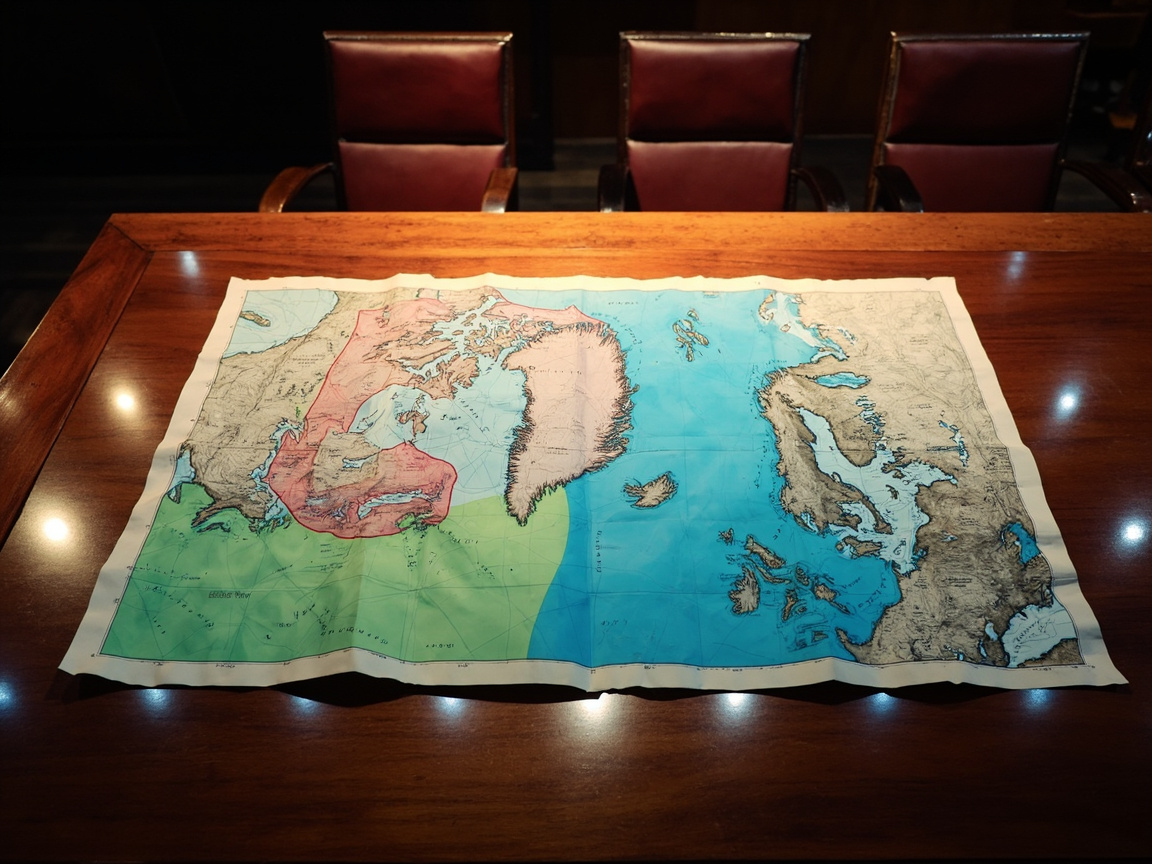
For the people who have lived in the Arctic for thousands of years, change is not theoretical. Warming permafrost is damaging homes, and the loss of sea ice is disrupting the traditional hunting of seals, walrus, and whales. Many fear that the rush for resources will exacerbate social and environmental pressures on already fragile communities. The region's unique biodiversity — from polar bears to tiny ice algae — is also under serious threat. International organisations are calling for stronger protections and a greater role for indigenous voices in any future climate change agreements.
What Comes Next
Whether the Arctic becomes a peaceful commons or a contested frontier will depend on choices made in the next decade. Scientists caution that even if global emissions fall sharply, the polar ice will continue to thin for years to come. Shipping volumes are projected to rise, but so are environmental costs and the risk of accidents in remote waters. The world is watching a region that was once frozen in time begin to move, and the stakes could hardly be higher for trade, diplomacy, and the planet.
Quiz
-
1Why are Arctic shipping routes becoming more attractive to commercial companies?
The article states that the new passages can cut thousands of kilometres off traditional journeys, saving up to 40 percent in fuel.
-
2According to the article, which of the following is a danger in Arctic waters?
The article mentions that navigation in these waters remains treacherous because of floating ice, sudden fog, and outdated charts.
-
3Which group of countries is mentioned as having competing claims in the Arctic?
The article lists Russia, the United States, Canada, Denmark, and Norway as the countries bordering the Arctic with competing claims.
-
4How is the melting of permafrost affecting Arctic communities?
The article explains that warming permafrost is damaging homes and disrupting the traditional hunting of seals, walrus, and whales.
-
5What does the article suggest about the future of the Arctic?
The article warns that the lack of consensus on maritime law could turn the Arctic into a new theatre of dispute.