
Football: The Language Everyone Speaks
How a simple ball game unites fans across every border, dialect, and culture
A Common Pitch Beneath the Stars
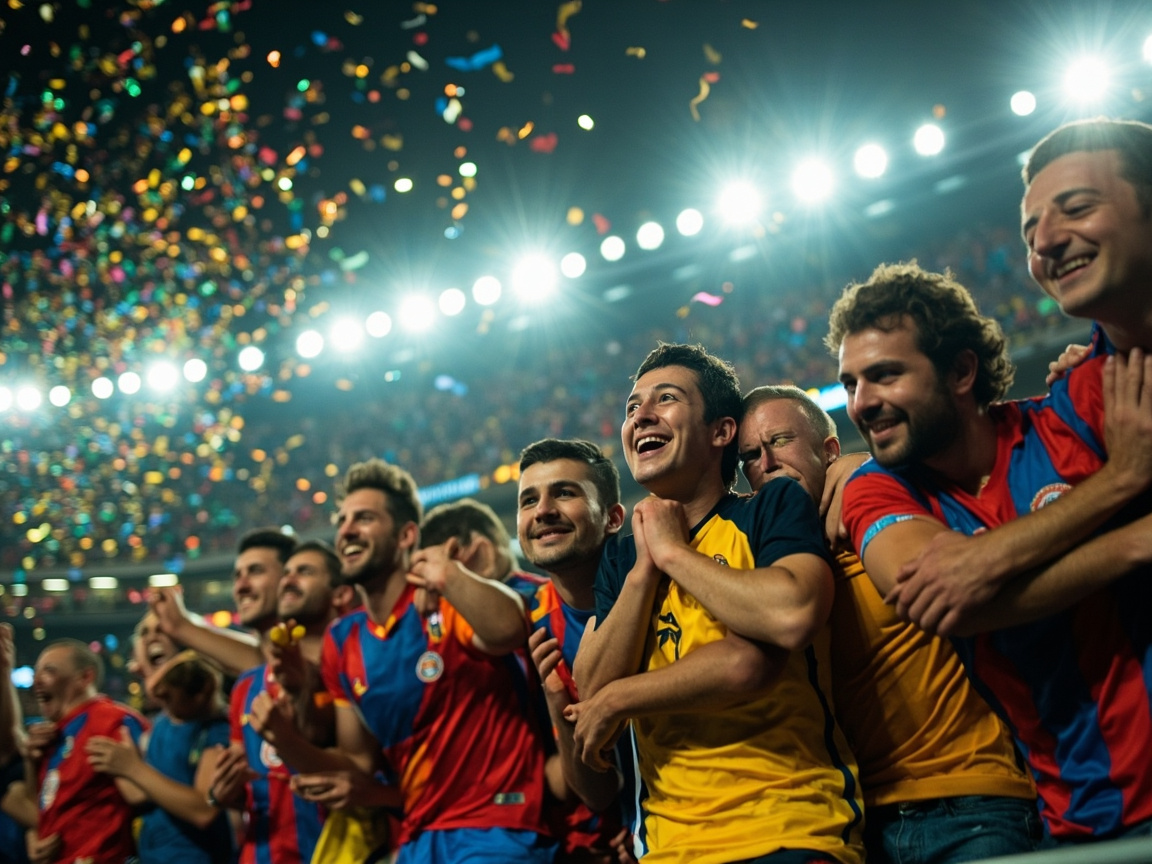
Long before kickoff, there is a hush. The floodlights wash over the green pitch in Tokyo, Lagos, Buenos Aires, and Manchester in the same way. Players from a dozen nations lace their boots, and the roar of supporters rises like a tide. Football creates a universal stage where identity shifts from "I" to "we" in seconds. The size of the field, the shape of the ball, and the rules of the game are identical in every league that matters, making it the most copied pastime on Earth.
Words That Travel the World
You do not need a dictionary to follow a Champions League final. A Brazilian forward can call "goleiro," a German midfielder can shout "Tor," and a Japanese supporter can whisper a prayer, yet they all know what a goal means. Coaches use hand gestures that work in any dressing room, and referees raise a yellow card whether the crowd speaks Swahili or Swedish. The game's vocabulary is a kind of dialect-free English mixed with Spanish and pure emotion. Over time, fans have built a small shared treasury of phrases such as "top corner," "last minute," and "park the bus," which cross borders the way a well-placed through ball crosses a defence.
Match Day Rituals Around the Globe
In Senegal, drums beat from three hours before the match, while in England the anthem of a working-class city echoes through a hundred-year-old stadium. In Mexico, families pin a fresh shirt to a wall and pray beside it, and in Cairo, tea sellers close their stalls the moment the whistle blows. Each ritual feels local, yet they share a single heartbeat. Chants travel from terraces in Liverpool to markets in Cairo, sometimes translated, often re-written, always sung with the same lungs. Football is not only watched on these days; it is lived, breath by breath.

When Strangers Become Family
A group of strangers in a London pub can find common ground within five minutes if a match is on, and the same is true in a café in São Paulo or a tea house in Istanbul. The huddle around a single screen, the groan at a missed penalty, the hug after a late equaliser: none of it needs a translation. Football turns rivalry into friendship, and friendship into something that feels almost like family. The game gives us permission to feel triumph for strangers and heartbreak for a country we have never visited, offering a rare sense of belonging in a divided world.
The Beautiful Game in the Digital Age
Today, a goal in Bogotá can be celebrated in Berlin before the striker has finished his celebration, thanks to live broadcast feeds, instant replays, and emoji-filled group chats. A teenager in Nairobi can analyse tactics with a coach in Naples within seconds of the final whistle, as if they were sitting on the same bench. The internet has not changed the soul of the game; it has only widened the circle of fans who share it. Even the quietest supporter, alone in a kitchen at dawn, can feel the breath of a million others through a small glowing screen. Football's old language now has a new, faster accent, but it is still spoken in every corner of the planet.
Quiz
-
1According to the article, what is one reason football is considered a universal language?
Section 1 states that the size of the field, the shape of the ball, and the rules are identical in every league that matters.
-
2Which of the following match day rituals is NOT mentioned in the article?
The article mentions drums in Senegal, an anthem in England, and prayers in Mexico, but it does not mention fireworks in Japan.
-
3What does the article say happens in a London pub when a match is on?
Section 4 explains that strangers in a London pub can find common ground within five minutes when a match is on.
-
4How has the digital age changed football, according to the article?
Section 5 says the internet has not changed the soul of the game, only widened the circle of fans who share it.
-
5According to the article, what is the role of chants during a match?
Section 3 says chants travel the world, often translated, often re-written, and always sung with the same lungs.