Cleaning Up Our Oceans: The People Pulling Plastic from the Sea
On World Oceans Day, meet the volunteers, divers, and inventors fighting to save our blue planet.
A Day for the Sea
Every year on June 8, people around the world celebrate World Oceans Day. It is a special day to remember how important the ocean is to our lives. The ocean gives us food, oxygen, and even the weather we enjoy. It is also home to millions of incredible animals, from tiny colourful fish to giant blue whales. Sadly, many people do not think about the ocean every day, so this holiday raises awareness and reminds us to care for the water that covers most of our planet. Schools, museums, and communities often hold events to teach others about marine life and the challenges our seas face.
The Plastic Problem
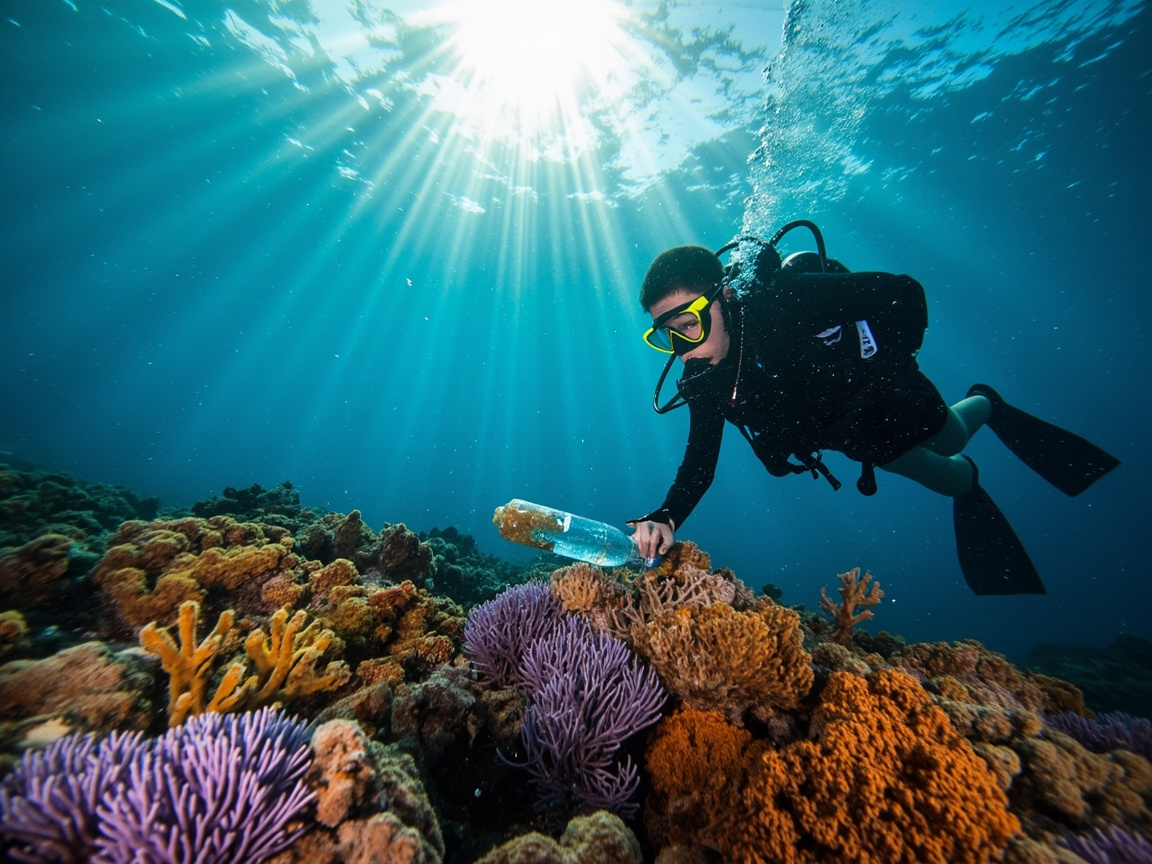
Have you ever seen plastic bags or bottles floating in the water? This is called marine debris, and it is one of the biggest problems for the ocean today. Every minute, huge amounts of plastic enter the sea from rivers, beaches, and ships. This pollution is dangerous because fish and seabirds can eat it or get trapped in it. Over time, plastic breaks into very small pieces called microplastics, which spread through the water and harm the whole ecosystem. Scientists say that if we do nothing, there could be more plastic than fish in the ocean by 2050. That is a scary thought, and it is why so many people are working hard to find a solution.
Ocean Heroes Around the World
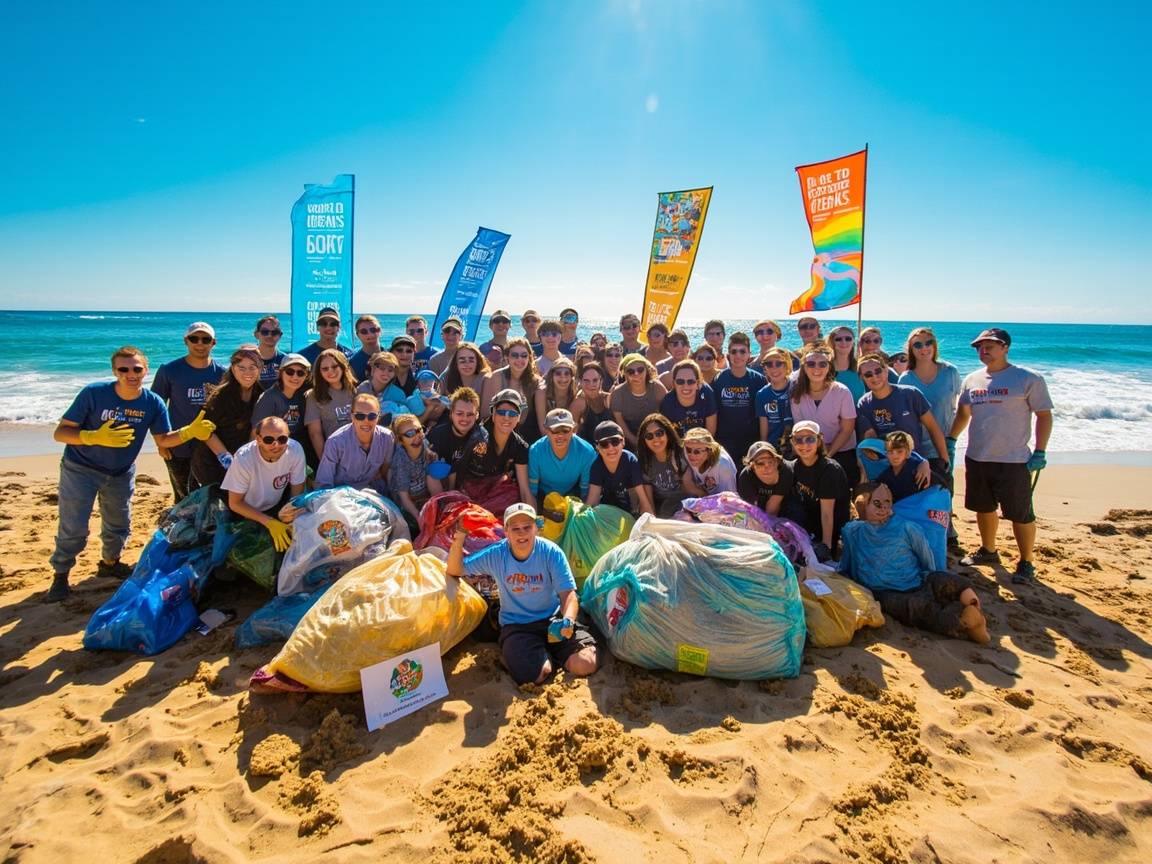
In many countries, ordinary people are becoming ocean heroes. On weekends, families and friends meet on the shoreline to collect rubbish. In places like the Philippines, Indonesia, and the United Kingdom, large groups of volunteers walk along the beach with gloves and bags. They fill containers with plastic, glass, and old fishing nets. One famous group, The Ocean Cleanup, uses boats and special systems to pull plastic from the middle of the ocean, far from the coast. Local divers also help by swimming under the water to clear trash from coral reefs. Together, these small actions add up to make a big difference.
Smart Ideas for Cleaner Waters
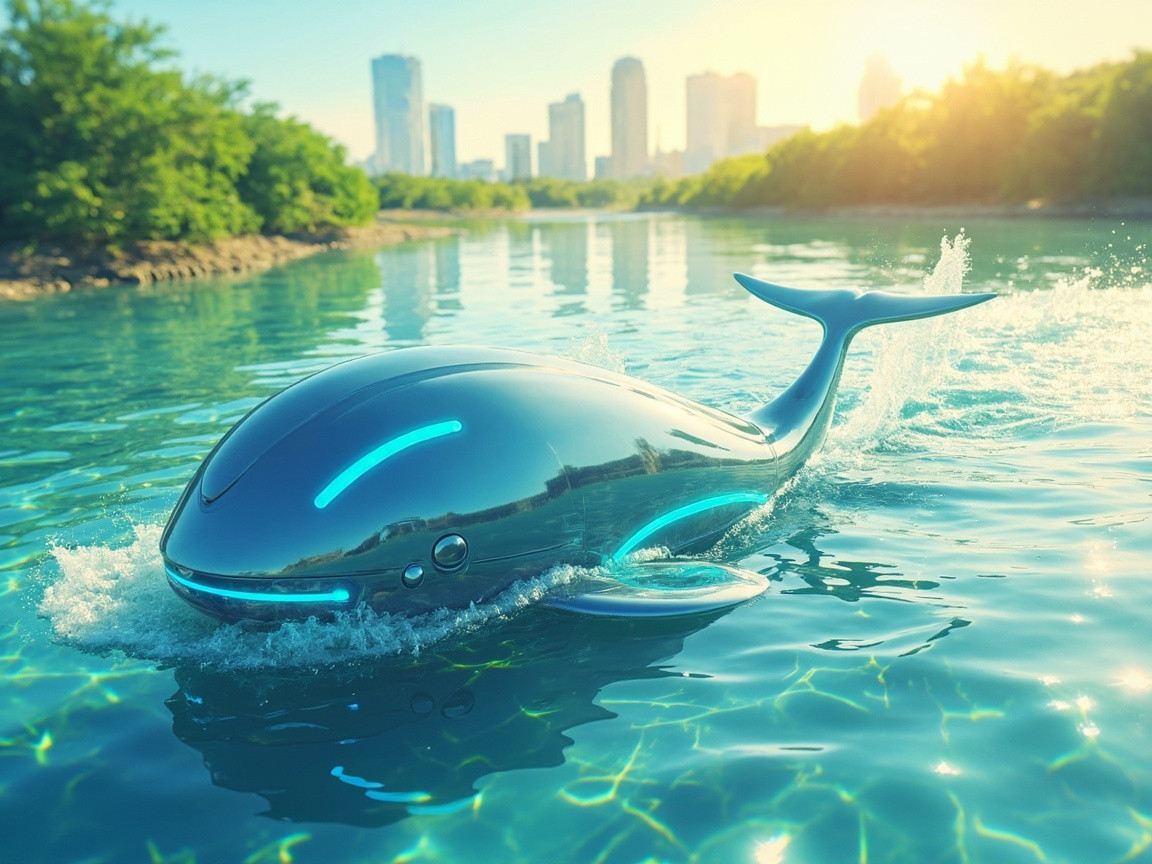
Scientists and engineers are creating amazing innovations to fight plastic pollution. Some companies are making new packaging from seaweed that you can eat after finishing your snack. Other inventors have built floating machines shaped like whales that swim through rivers and collect rubbish. There are also apps that help beach visitors record where they find the most debris, so clean-up teams know where to go next. These creative initiatives show that technology and teamwork can protect the ocean. The goal is not only to clean the water today, but also to build a more sustainable future for tomorrow.
How You Can Help
You do not need a boat or a special tool to care for the ocean. Small daily choices can make a real difference in the fight against contamination. Try to use reusable water bottles and bags instead of single-use plastic. Remember the three R's: reduce, reuse, and recycle. Join a local beach clean-up in your town, or simply pick up three pieces of rubbish the next time you visit a river or park. Share what you learn with friends and family, because one person talking can inspire many others. The ocean connects every country and every person on Earth, so every action matters. Together, we can keep the sea blue, healthy, and full of life.
Quiz
-
1When is World Oceans Day celebrated?
The article states that World Oceans Day is celebrated every year on June 8.
-
2What are microplastics?
The article explains that plastic breaks into very small pieces over time, which are called microplastics.
-
3Which famous group works to pull plastic from the middle of the ocean?
The article mentions that The Ocean Cleanup uses boats and special systems to remove plastic far from the coast.
-
4According to the article, what could there be more of than fish in the ocean by 2050?
The article warns that if we do nothing, there could be more plastic than fish in the ocean by 2050.
-
5Which action does the article suggest readers can take?
The article recommends using reusable water bottles and bags instead of single-use plastic.