Overtourism: When Paradise Gets Crowded
From Venice to Bali, beloved destinations are saying 'enough' to endless streams of visitors.
The Rising Tide of Visitors
Around the world, overtourism has become one of the most debated issues in the travel industry. Cheap flights and social media have made it easier than ever to reach almost any destination, and record numbers of people are now exploring places that were once quiet and remote. While tourism brings money and jobs, it also creates serious problems for the people who actually live there. Local residents often find their daily lives disrupted by noise, rising prices, and constant congestion in the streets. The challenge for governments is to manage growth in a way that is fair and sustainable.
Venice: A Floating City Under Pressure
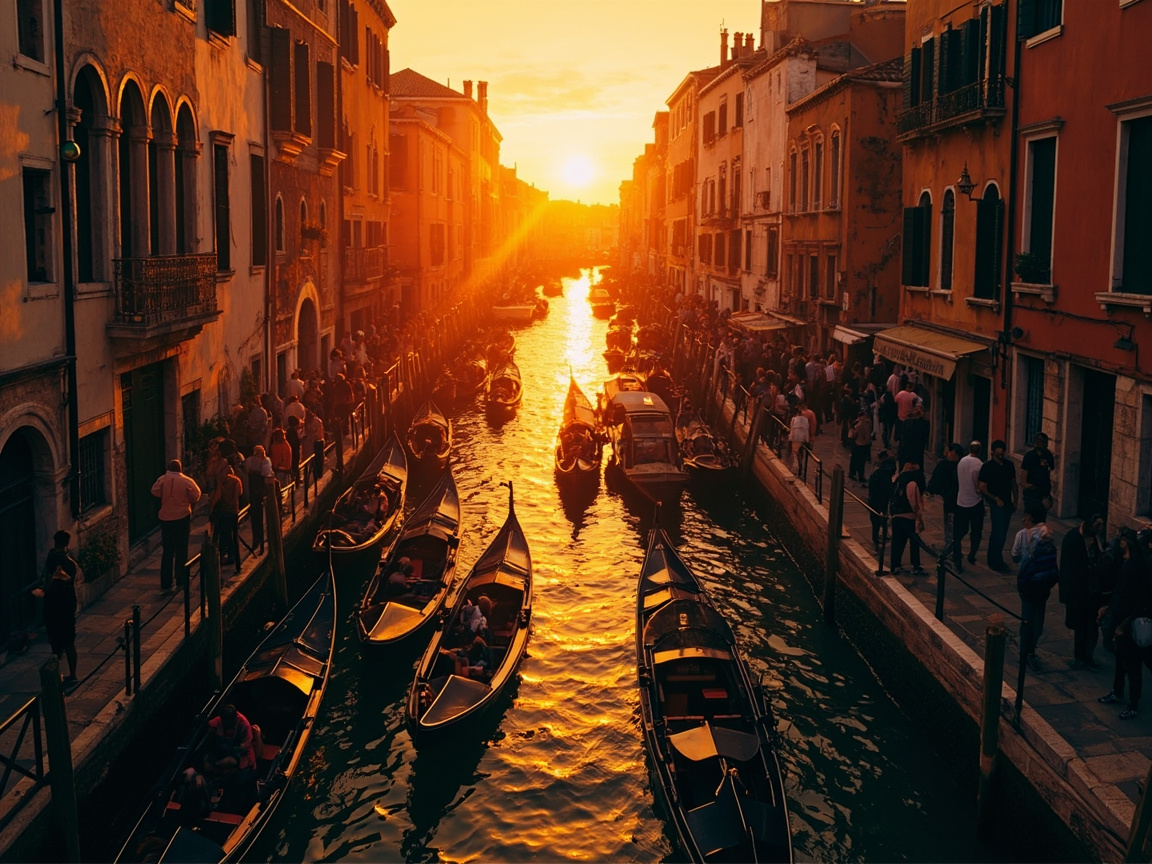
Venice, one of Italy's most famous cities, has been a symbol of romance for centuries. Today, however, it is also a symbol of overtourism. On busy days, thousands of visitors crowd into the tiny central area, putting huge pressure on the city's old infrastructure and historic buildings. In 2024, the local government introduced a small daily fee for day-trippers and limited the size of tourist groups. Officials say the goal is to preserve the city for future generations and to protect the authentic character of daily Venetian life. Not everyone is happy, but most agree that something had to change.
Barcelona: When Locals Say 'Enough'
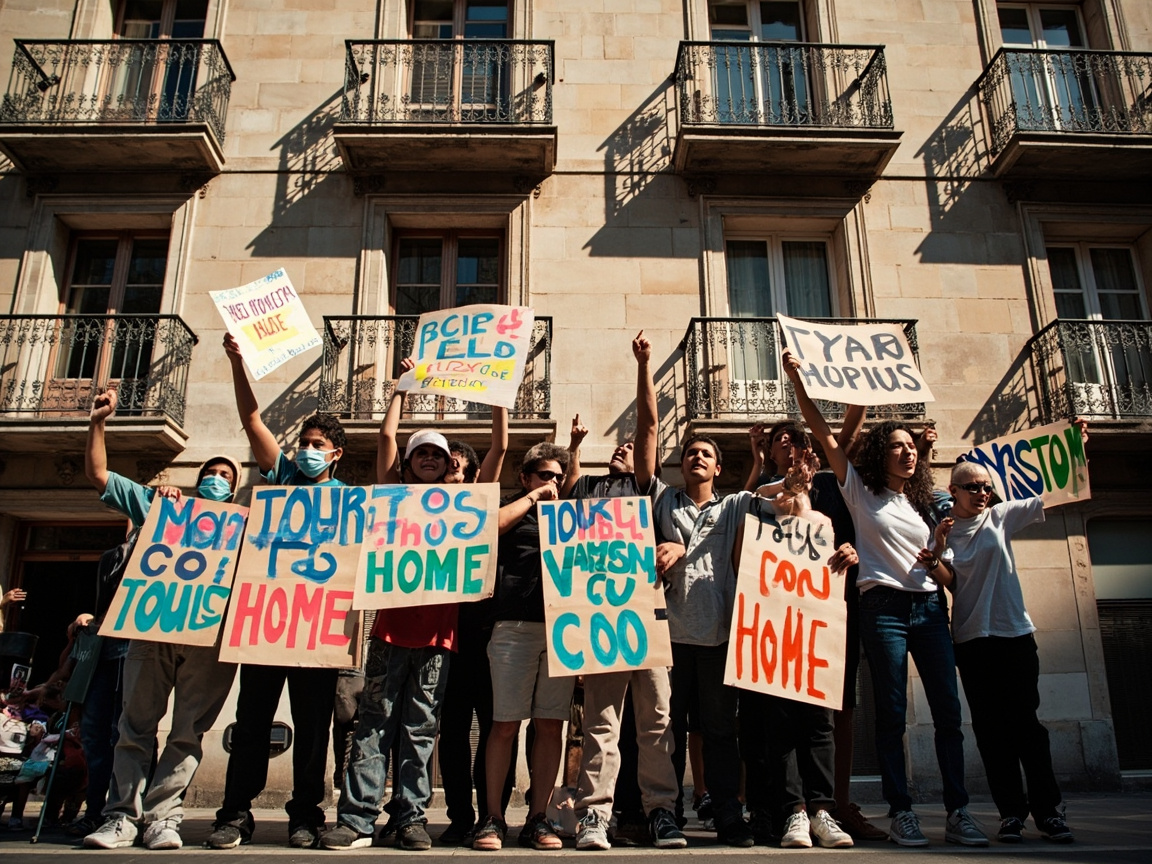
Few cities have shown a stronger backlash against mass tourism than Barcelona, in Spain. In recent years, residents have organized protests, held up signs reading "Tourists Go Home," and even sprayed visitors with water pistols. Their main complaints are the rising cost of housing, the loss of local shops, and the feeling that their neighborhoods are being turned into open-air museums. The city council has responded with new regulations, including a plan to ban short-term holiday rentals by 2028. The mayor has promised to put the well-being of residents first.
Bali: Searching for a New Balance
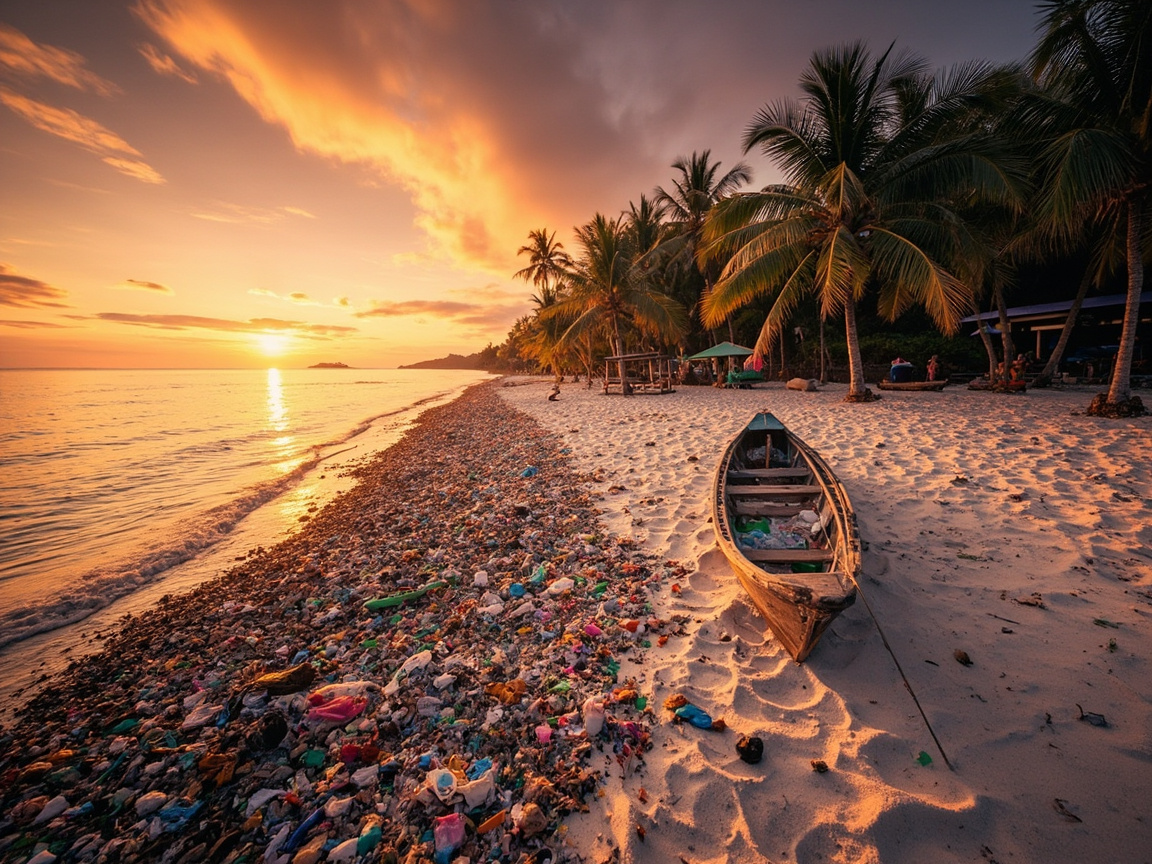
On the Indonesian island of Bali, the impact of rapid tourism growth is also impossible to ignore. Once a quiet paradise, Bali now struggles with traffic jams, water shortages, and piles of rubbish on its beaches. The government has tried to mitigate these problems by introducing a tourist tax and by promoting visits to less crowded areas outside the main south. New legislation also requires foreign visitors to follow stricter rules of behavior. Many Balinese hope these steps will help protect their culture and natural environment.
Can Travel Still Be a Force for Good?
Experts believe that tourism itself is not the enemy — the problem is how it is managed. A growing number of travelers now prefer "slow travel," visiting fewer places for longer, and spending money in local businesses. Some cities are testing a cap on the number of daily visitors, while others use timed-entry tickets to crowd control. The hope is that a fairer, more sustainable model can protect both the planet and the joy of discovery. As one travel writer put it, "The best trip is one that leaves a place better than we found it."
Quiz
-
1What problem is the article mainly about?
The article focuses on how too many visitors cause problems in cities like Venice, Barcelona, and Bali.
-
2What new measure did Venice introduce in 2024?
The article states that Venice brought in a small daily fee for day visitors and limited group sizes.
-
3How have residents of Barcelona reacted to mass tourism?
The article describes protests and even people spraying visitors with water pistols.
-
4Which of the following is a problem mentioned in Bali?
Bali is described as struggling with traffic, water shortages, and rubbish on its beaches.
-
5What does the travel writer mean by 'leaving a place better than we found it'?
The phrase suggests responsible, sustainable travel that benefits both visitors and local communities.