Can Travel Shrink? Inside the Post-Growth Tourism Debate
As overtourism reshapes cities and climate targets tighten, a new movement asks whether the future of travel lies in fewer trips, longer stays, and a lighter footprint.
When More Stopped Meaning Better
For decades, tourism has been a flagship of economic success stories: coastal towns doubled their income, mountain villages turned into year-round resorts, and a single Instagram-friendly landmark could pull in millions of visitors a season. The numbers looked brilliant, but the reality on the ground often felt different: traffic jams on cobblestone streets, water rationing in summer, and residents priced out of their own neighbourhoods. The term overtourism stopped being a fringe complaint and entered the vocabulary of mayors, ministers and UNESCO committees. Cities from Barcelona to Kyoto now openly admit that the growth that made them prosperous has begun to erode the very qualities that attracted travellers in the first place. The conversation has shifted from "how do we attract more visitors?" to "how do we stop being loved to death?".
What "Shrinking" Really Means
The word post-growth does not promise an end to travel, holidays or human curiosity. It asks a sharper question: what would tourism look like if it no longer had to keep expanding to be considered a success? In a degrowth framework, the goal is not to kill the industry but to favour decoupling of well-being from raw visitor numbers, allowing revenue, jobs and cultural exchange to stabilise rather than spiral. A regenerative approach goes even further, treating each trip as a chance to leave a place better than it was found — repairing trails, funding local schools, or restoring wetlands. The ambition is not to travel less badly, but to travel more wisely.
Slow Travel, Long Stays, and the Local Lens
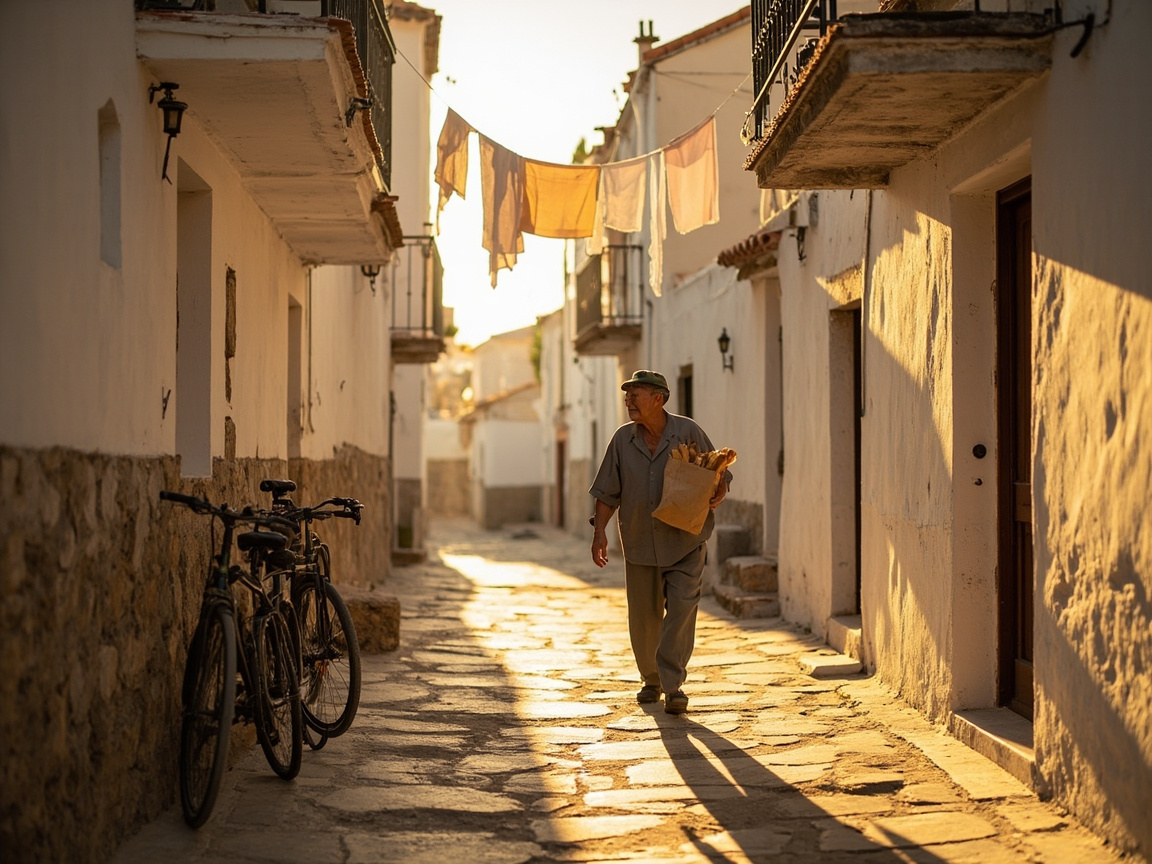
Nowhere is this philosophy more visible than in the rise of slow travel, where visitors increasingly stay a week in one village, learn a few words of the dialect, and shop at the same bakery every morning. Long stays spread income more evenly across small businesses and reduce the per-day carbon footprint of a trip, since flights and transfers account for the bulk of emissions. The focus shifts to locality: regional cuisine, family-run pensions, walking routes that locals themselves use. Critics argue that not everyone can afford the luxury of a long, unhurried holiday, which is why pilot programmes in Iceland, Slovenia and Bhutan now blend visitor caps with subsidies for low-income travellers. The idea is to redesign the experience so that depth, not speed, becomes the new status symbol.
The Economics of a Smaller Pie
Economists have long assumed that growth in tourism would eventually trickle-down to everyone, from hotel chains to street vendors, but the evidence is, at best, patchy. In a post-growth model, the question is not how to enlarge the pie but how to slice it more fairly, and how to keep the slice from souring. Some destinations have begun experimenting with dynamic pricing, higher tourist taxes, and capped cruise arrivals to internalise the environmental costs that markets usually ignore. Others are channeling revenue directly into housing for permanent residents, so that the affluent visitor does not unintentionally hollow out the community they came to admire. None of this is painless, but it reframes tourism as a shared resource with a real threshold, rather than a limitless commodity that grows on command.
Who Gets to Travel?
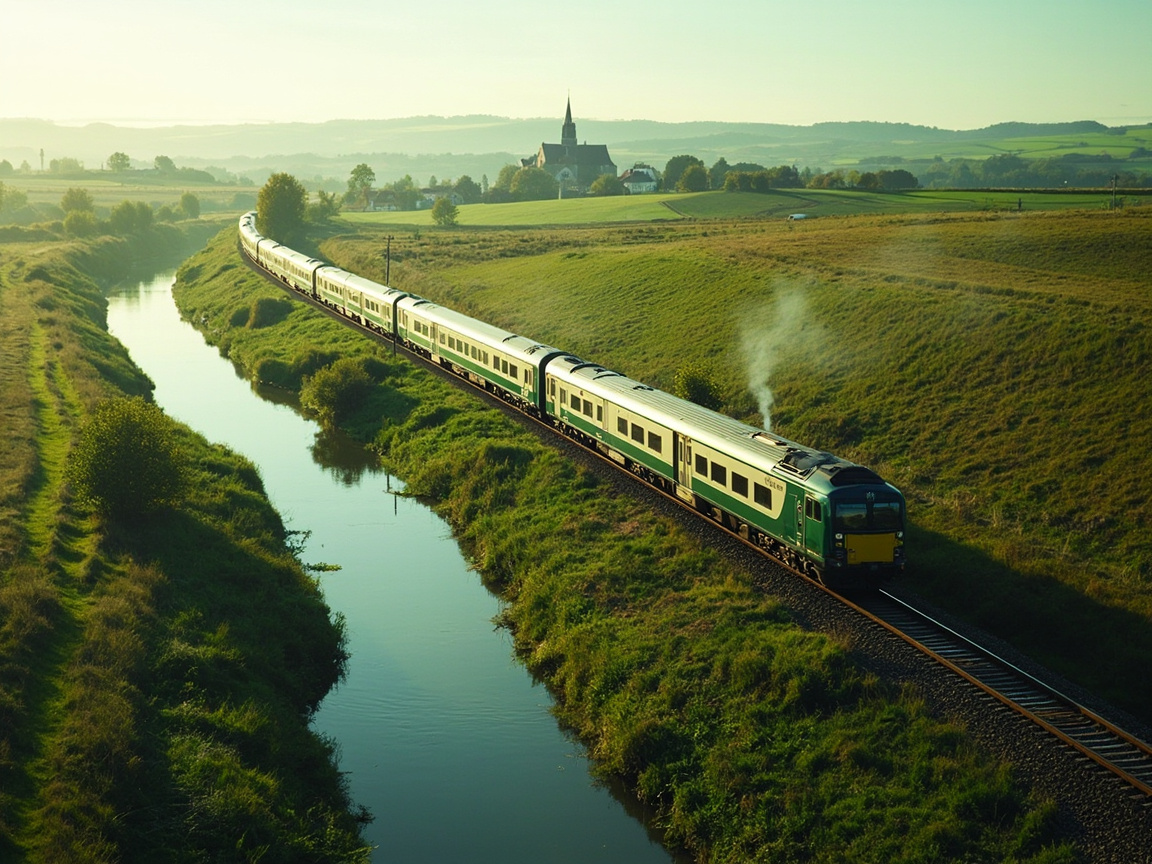
Perhaps the most uncomfortable question in post-growth debates is who, exactly, gets to move freely around the planet. If airlines face heavier taxes and long-haul flights become genuinely expensive, the burden of immobility will fall hardest on those who already travel least. Solidarity mechanisms — such as international rail subsidies, frequent-flyer levies redistributed to the Global South, or quotas for low-income travellers — are no longer fringe ideas but live proposals in several European policy papers. The conversation is shifting from individual guilt about flying to collective responsibility for designing fairer mobility systems. After all, a smaller travel world is only just if it is shared.
A Future That Fits the Place
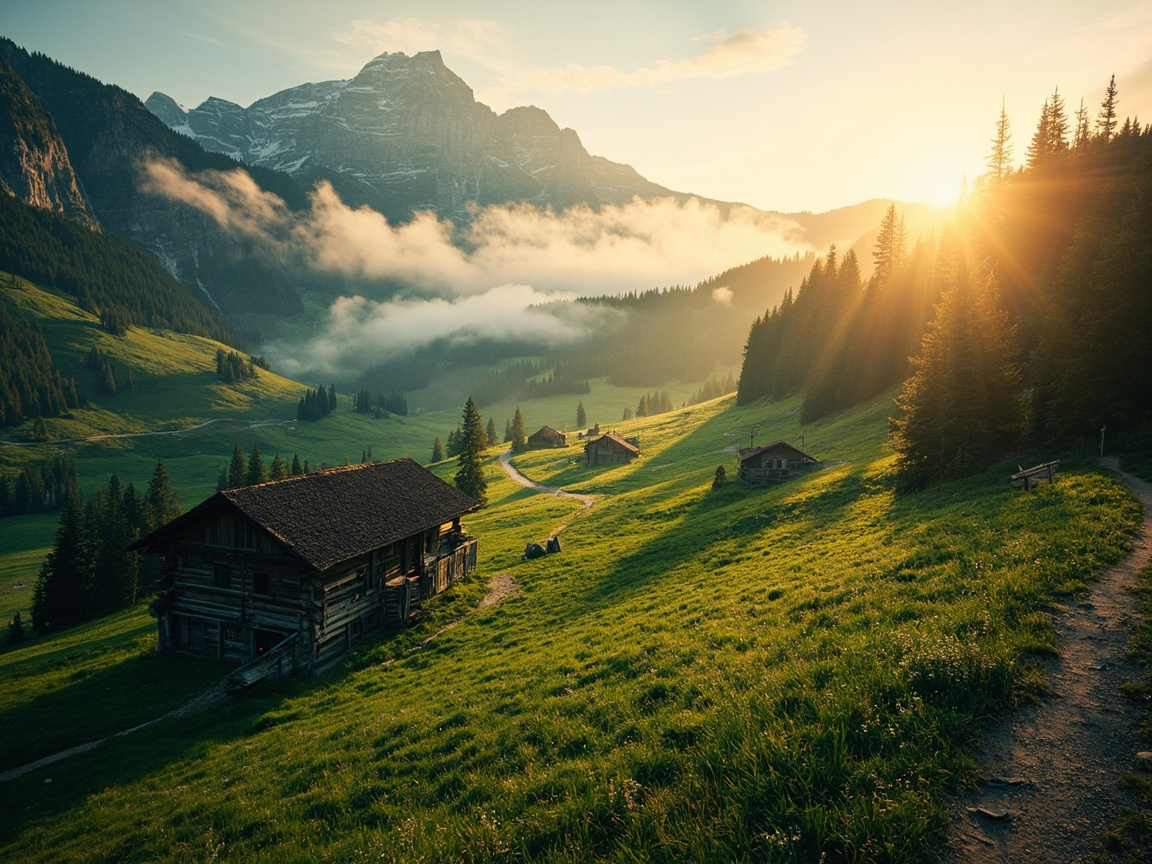
Picture an Alpine valley where a regional cap on overnight stays keeps the meadows quiet and the marmots bold, a Mediterranean island where a tourist tax funds desalination plants instead of five-star pools, and a heritage city that sells fewer tickets but lets residents in free. None of this requires a return to some imagined pre-tourism innocence; it asks instead for an honest, grown-up conversation about limits. Regenerative tourism is not anti-travel, and post-growth thinking is not anti-business. It is, at heart, an argument that a place can be loved without being consumed, and that a holiday can be meaningful without being maximal. The destination worth aiming for is not "more" but "enough" — and enough, for once, is a hopeful word.
Quiz
-
1What is the main argument of the article?
The article argues for rethinking tourism rather than ending it, and stresses redesign around ecological and social limits.
-
2According to the article, what does "regenerative" travel mean?
Section two defines regenerative travel as treating each trip as a chance to leave a place better than it was found.
-
3Why does the article mention "trickle-down" economics?
The author uses trickle-down economics to challenge the assumption that tourism growth automatically lifts all parts of society.
-
4What concern is raised about post-growth tourism in Section five?
The article warns that without solidarity measures, higher travel costs could create immobility for poorer travellers.
-
5The article's overall tone is best described as:
The piece acknowledges hard limits but closes on the hopeful word "enough", showing a pragmatic but positive outlook.