Fighting Fire with Fire: The New Science of Wildfire Management
From goat herds to AI cameras, communities are using creative tools to stay ahead of dangerous blazes.
Why Wildfires Are Getting Worse
Climate change is making wildfires more frequent and more destructive across the world. Hotter temperatures, longer droughts, and stronger winds create perfect conditions for fires to spread rapidly through dry landscapes. Scientists warn that the traditional approach of simply putting out every fire may actually increase the risk of bigger disasters later. Instead, experts now focus on managing entire ecosystems to reduce the amount of fuel that feeds large blazes.
The Return of Prescribed Burns
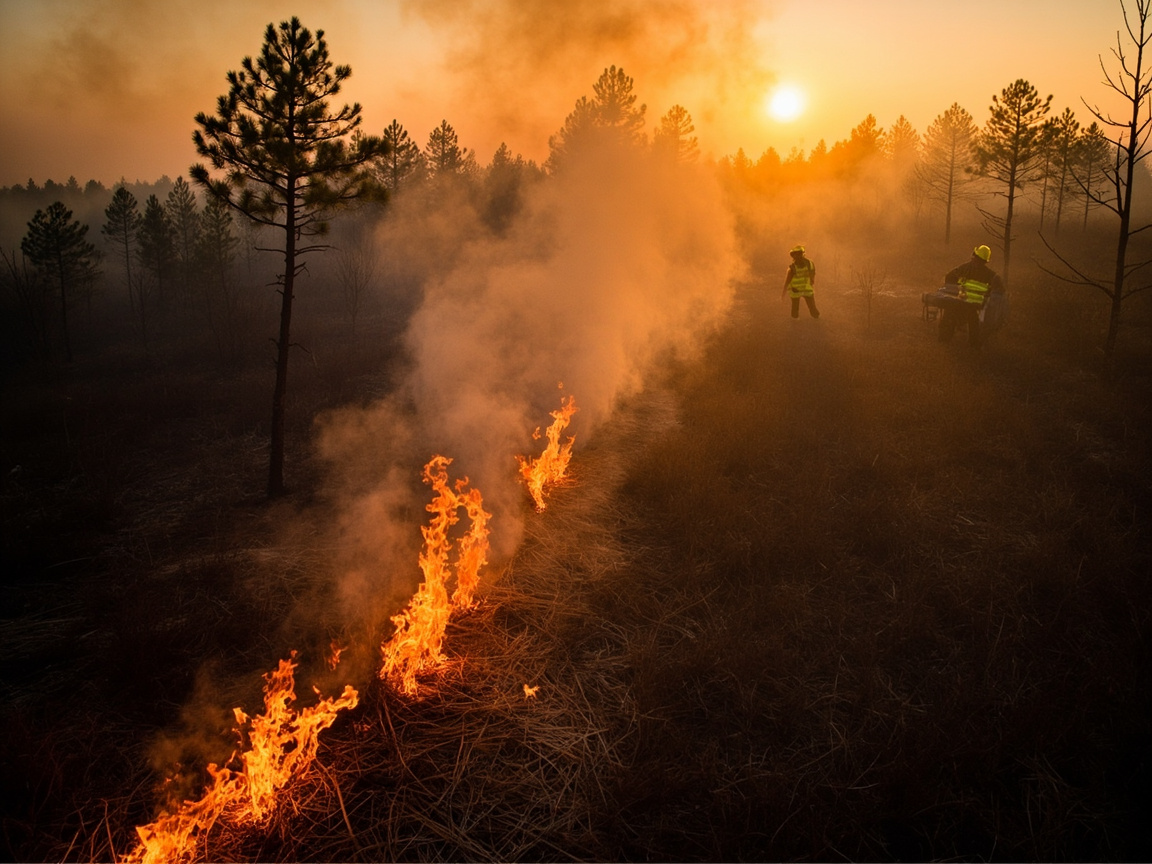
A prescribed burn is a controlled fire that firefighters set on purpose. They carefully choose cool, wet days to ignite small areas and let the flames clear dead vegetation. Indigenous communities in Australia, California, and many other regions have used this method for thousands of years. Modern fire agencies now work with these traditional experts to bring prescribed burns back. The main goal is to remove fuel before a dangerous wildfire can use it.
High-Tech Eyes in the Forest
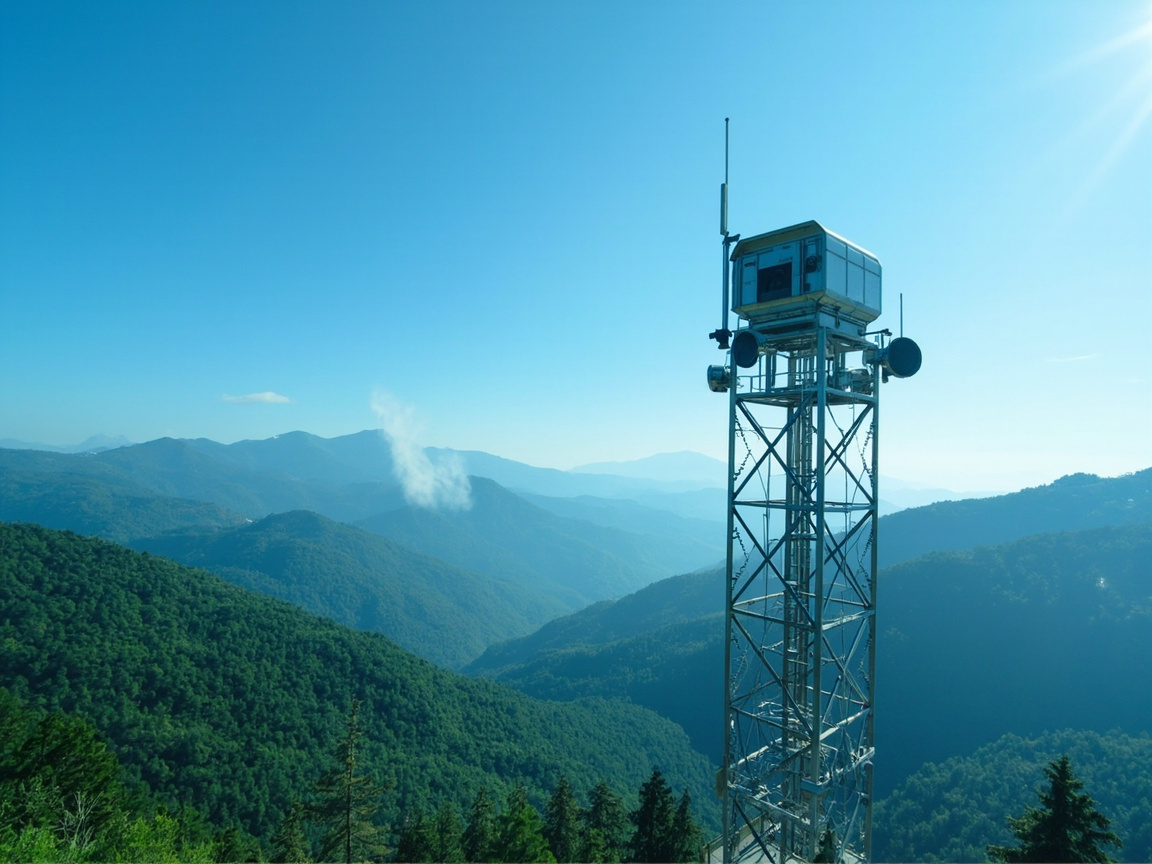
Early detection of a wildfire can save thousands of hectares of forest and dozens of homes. That is why many regions are installing AI-powered cameras on tall towers in remote areas. The cameras monitor the landscape 24 hours a day and can spot smoke that human watchers might easily miss. When the system notices unusual activity, it immediately sends an alert to the nearest fire station. A fast response gives firefighters a critical head start before a small spark grows into a major blaze.
The Unusual Fire Brigade: Goats
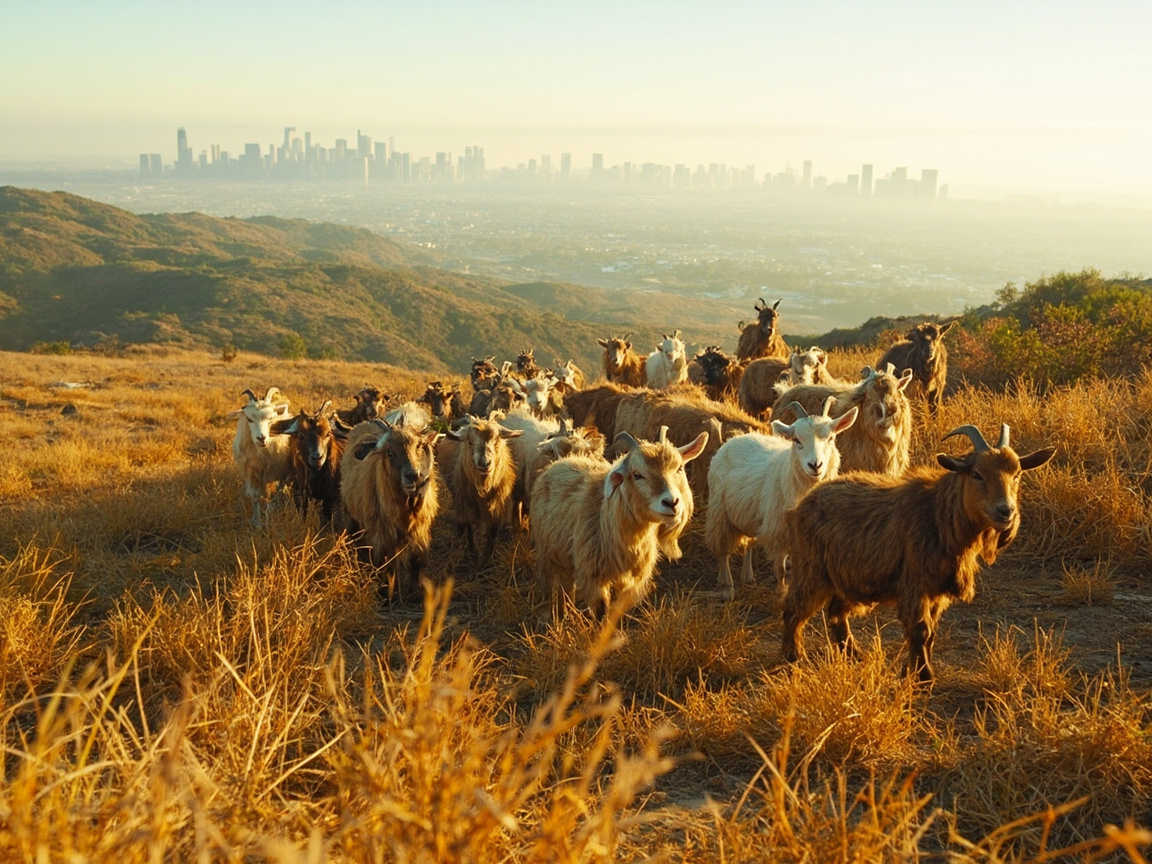
In some American cities, including parts of Los Angeles, goat herds are becoming a popular tool for fire prevention. The animals happily eat dry brush, tall grass, and even some invasive species that other animals avoid. Goats can reach steep hillsides where machines are unsafe to operate, which makes them perfect for difficult terrain. Their grazing reduces the amount of fuel available to any future fire. The result is a quieter, more natural way to manage vegetation in parks and nature reserves.
Communities on the Front Line
No single tool can solve the wildfire problem, so experts combine many methods. Some communities create fire breaks — wide gaps where vegetation is removed to stop flames from spreading. Others work to strengthen forests so that the local ecosystem can recover quickly after a burn. Education is also key: residents learn to clear leaves from roofs and avoid risky behaviour during dry months. Together, these strategies help mitigate the impact of wildfires and protect both people and nature.
Quiz
-
1According to the article, what is making wildfires worse today?
The article states that hotter temperatures, longer droughts, and stronger winds create perfect conditions for fires to spread.
-
2What is the main purpose of a prescribed burn?
A prescribed burn is a controlled fire set on purpose to remove fuel and dead vegetation before a dangerous wildfire can use it.
-
3What do AI-powered cameras do in forested areas?
The cameras monitor the landscape 24 hours a day, spot smoke that humans might miss, and send immediate alerts to fire stations.
-
4Why are goat herds used in fire prevention?
Goats eat dry brush and invasive species, can safely reach steep hillsides, and reduce the fuel available for future fires.
-
5How do communities help mitigate wildfire risk according to the article?
The article explains that experts combine many methods, including creating fire breaks, educating residents, and using prescribed burns.