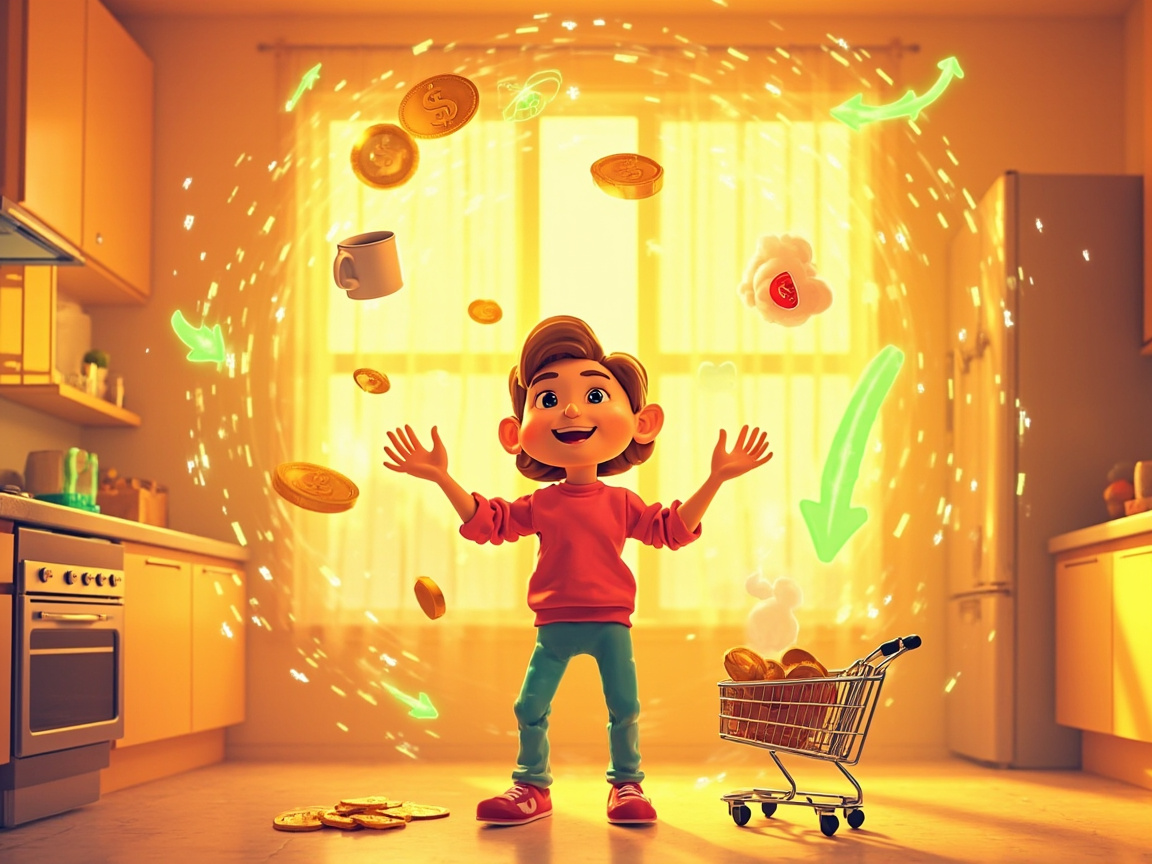
Quiz: The Economics of Everyday Things
Test your grasp of inflation, scarcity, and the hidden incentives that shape ordinary choices.
The Hidden Economy in Your Morning Routine
Long before the stock market opens, economics is already at work in your kitchen. The price of coffee reflects scarcity in the bean-growing regions of the world, while the long queue at the bakery signals that demand is outstripping supply. Even your decision to brew at home rather than buy a latte on the way to work is shaped by a trade-off between time, money, and convenience. These quiet calculations form the backbone of microeconomic behaviour, and they repeat themselves hundreds of times before lunch.

Inflation, Scarcity, and the Power of Incentives
When inflation rises, the money in your wallet quietly loses purchasing power, and consumers must reassess what they can afford. Governments and businesses respond to scarcity with price controls, rationing, or new technologies, each carrying its own opportunity cost. A well-designed incentive can nudge shoppers toward reusable bags, energy-efficient appliances, or public transport, while hidden costs — known as externalities — often escape the price tag. Understanding elasticity explains why a small rise in fuel prices barely dents demand, but a similar rise in chocolate prices sends shoppers hunting for alternatives.
Quiz
-
1According to the article, what does the long queue at a bakery most likely signal?
The article states that a long queue signals that demand is outstripping supply in a free market.
-
2What example does the article give of a hidden cost that escapes the price tag?
The article identifies externalities — side effects such as pollution — as hidden costs that often escape the price tag.
-
3Why, according to the article, does a small rise in fuel prices barely dent demand?
The article explains that demand for fuel is inelastic, so consumers continue buying it despite price increases.
-
4What is the article's view on how governments and businesses typically respond to scarcity?
The article notes that responses to scarcity — price controls, rationing, or new technologies — each carry an opportunity cost.
-
5How does the article characterise the role of incentives in shaping consumer behaviour?
The article describes well-designed incentives as nudges that can steer consumers toward behaviours like using reusable bags or public transport.