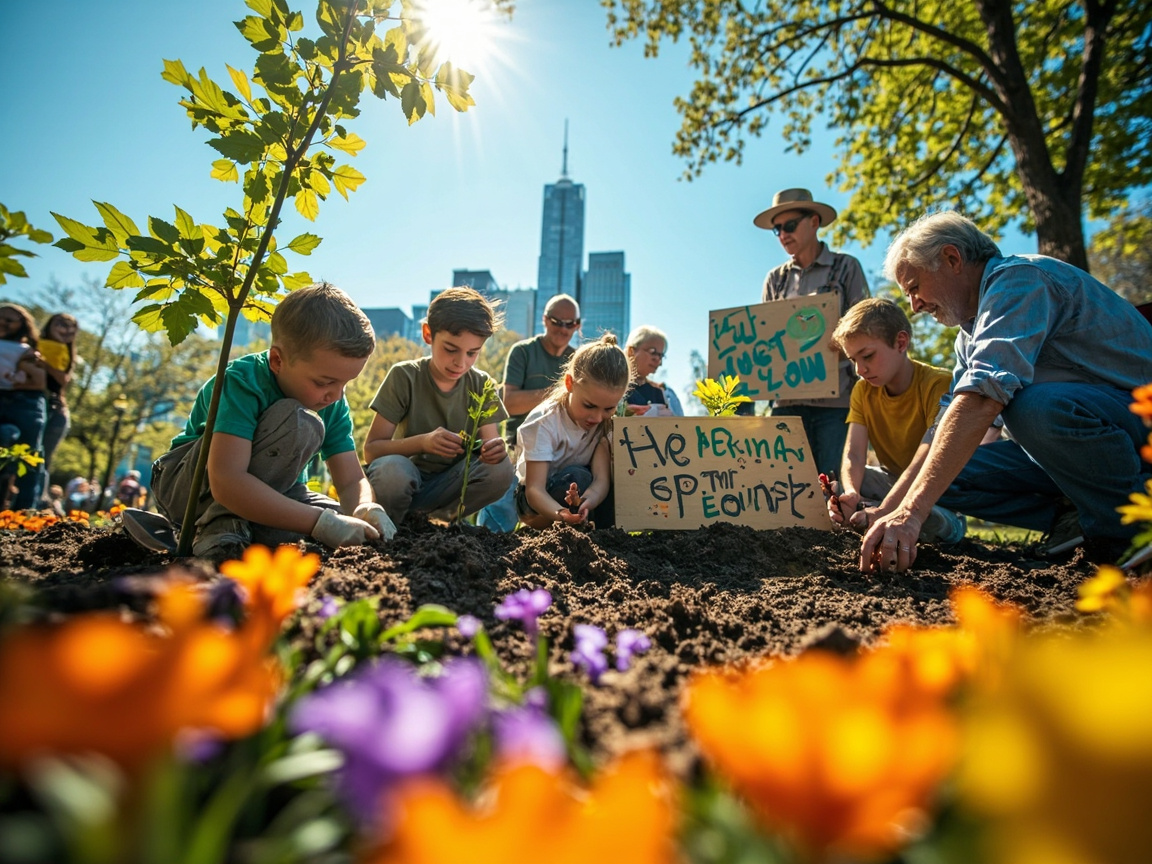
Earth Day: One Day That Changed the World
How a quiet idea in 1970 grew into the planet's biggest environmental celebration
The Spark: An Idea Born in 1969
In 1969, Senator Gaylord Nelson saw smoke and oil in America's rivers and lakes. He worried about the damage humans were doing to the environment. Inspired by the anti-Vietnam War protests, he had a bold idea. What if the energy of a protest movement could be used to protect nature? Nelson called for a national day to teach people about pollution and the need for clean air and water. Few imagined how powerful that single day would become.
April 22, 1970: The First Earth Day
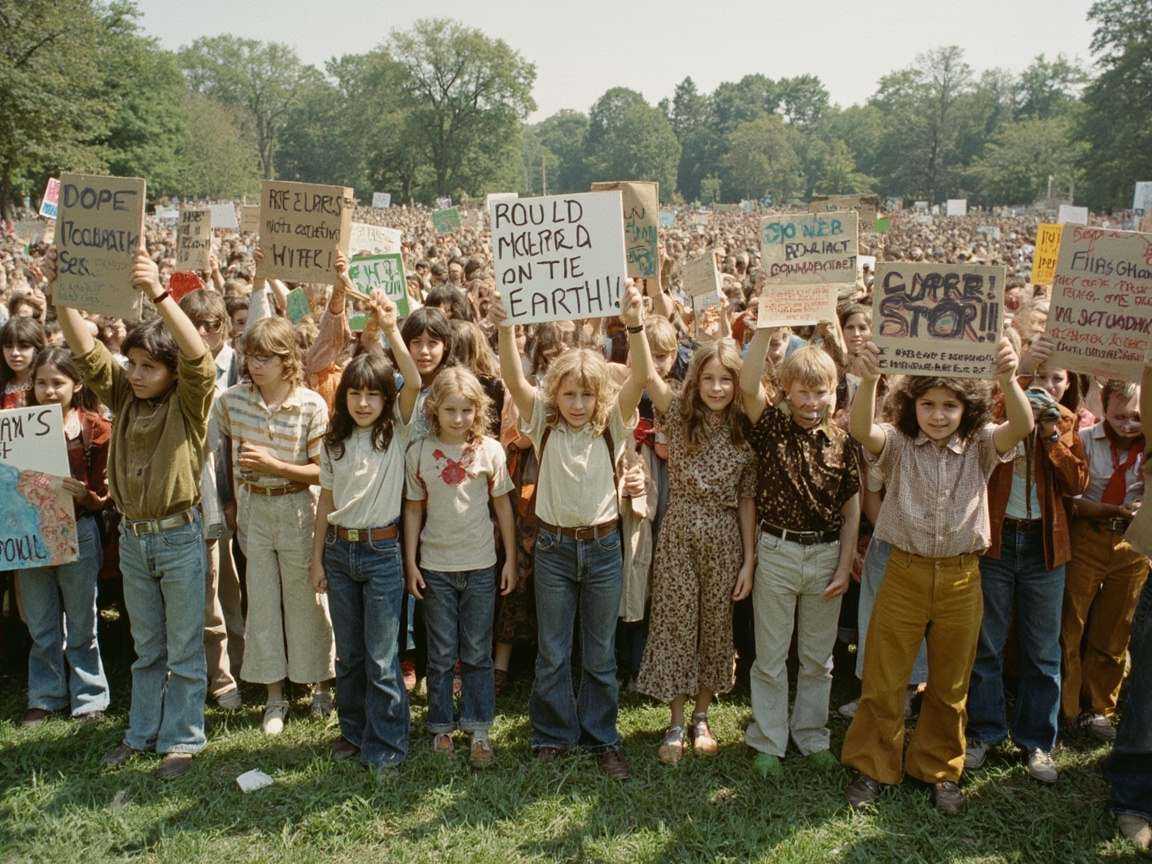
On April 22, 1970, about 20 million Americans went outside to celebrate the planet. In cities, towns, and colleges, people held rallies, cleaned up parks, and listened to speeches. The event was a huge success and it quickly raised public awareness about environmental issues. Before long, the U.S. government created the Environmental Protection Agency and passed new laws to reduce pollution. The first Earth Day showed that ordinary citizens could change history.
From One Country to 192
By 1990, Earth Day had become a global event. More than 140 countries joined in, and today nearly 200 nations take part every year. The day is no longer just about cleaning rivers. It is now a powerful grassroots activism event that brings together schools, businesses, and governments. In many places, Earth Day marks the start of tree-planting seasons, recycling drives, and beach clean-ups. Each new generation adds its own voice to the call for a healthier planet.
Earth Day in the Age of Climate Change
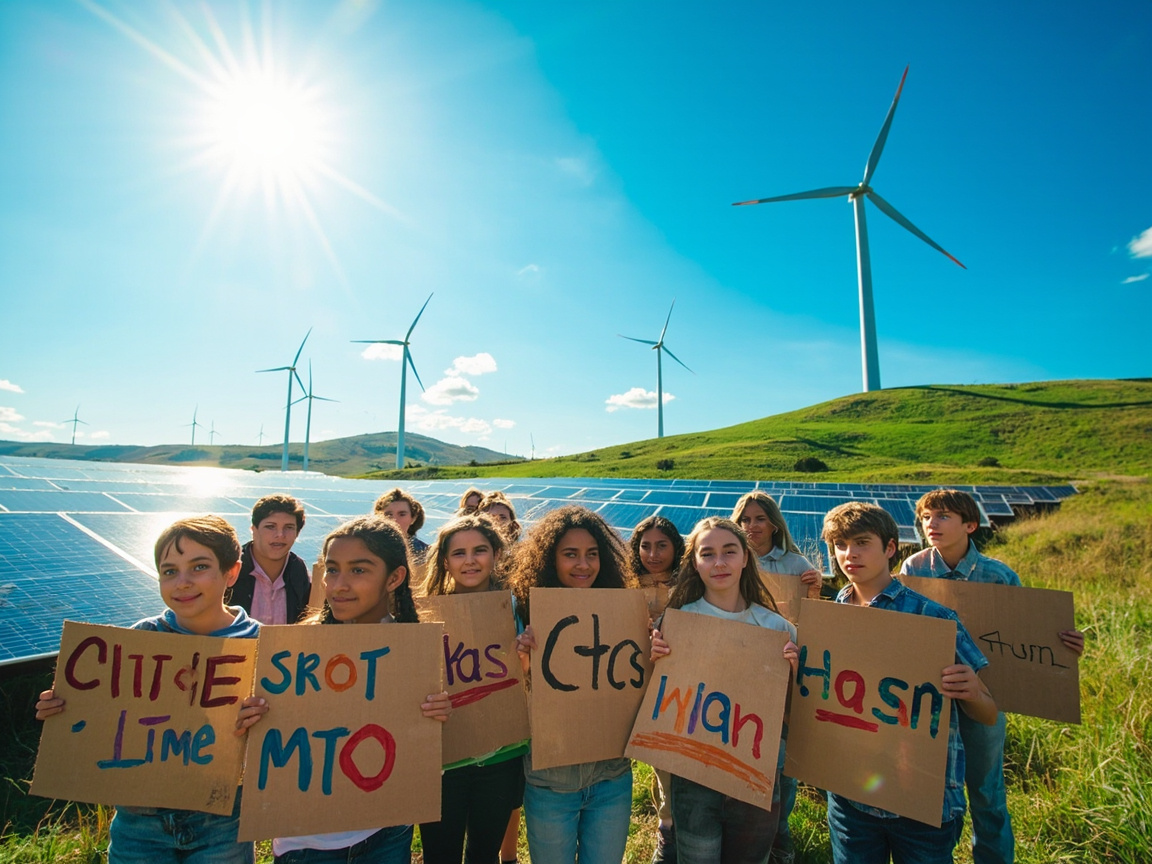
Today's Earth Day focuses on the biggest challenge of our time: climate change. Scientists warn that the planet is getting warmer, and the need for action is more urgent than ever. Modern events highlight renewable energy like solar and wind power, and they promote sustainability in everyday life. From electric cars to plastic-free shopping, small choices can have a big impact. Earth Day reminds us that conservation is not just a one-day event but a way of living.
Make Every Day Earth Day
You do not have to wait for April 22 to make a difference. Simple actions matter: turn off lights when you leave a room, walk or bike for short trips, and bring your own bag to the store. Talk to friends and family about protecting nature. Join a local clean-up or plant a tree in your neighbourhood. Earth Day's true message is that each person can inspire others. When millions of small actions come together, they shape a cleaner, greener future for everyone.
Quiz
-
1Who is credited with the idea for the first Earth Day?
Senator Gaylord Nelson came up with the idea after seeing pollution in America's rivers and lakes.
-
2When was the first Earth Day held?
The first Earth Day took place on April 22, 1970, with around 20 million Americans joining in.
-
3How many countries now take part in Earth Day each year?
Today, nearly 200 countries celebrate Earth Day, making it a truly global event.
-
4What is the main focus of Earth Day in modern times?
Modern Earth Day focuses on climate change, renewable energy, and sustainability in everyday life.
-
5According to the article, what is the main message of Earth Day?
The article says that Earth Day reminds us that each person can inspire others and that small actions add up to big change.