Microstates, Macro Influence
How Monaco, Singapore, and Luxembourg wield global power despite their tiny size.
Defining the Microstate Phenomenon
Across the globe, a handful of nations the size of small cities command attention far beyond what their populations or land area would suggest. These microstates — countries typically home to fewer than a million people — routinely punch above their weight in diplomatic forums, financial markets, and cultural spheres. Monaco, Singapore, and Luxembourg each illustrate how strategic geography, specialized economies, and careful statecraft can transform limited resources into considerable geopolitical clout. While their paths differ sharply, all three have turned scale itself into an advantage, attracting talent, capital, and attention that larger states often struggle to match.
Monaco: Glamour and Diplomatic Clout
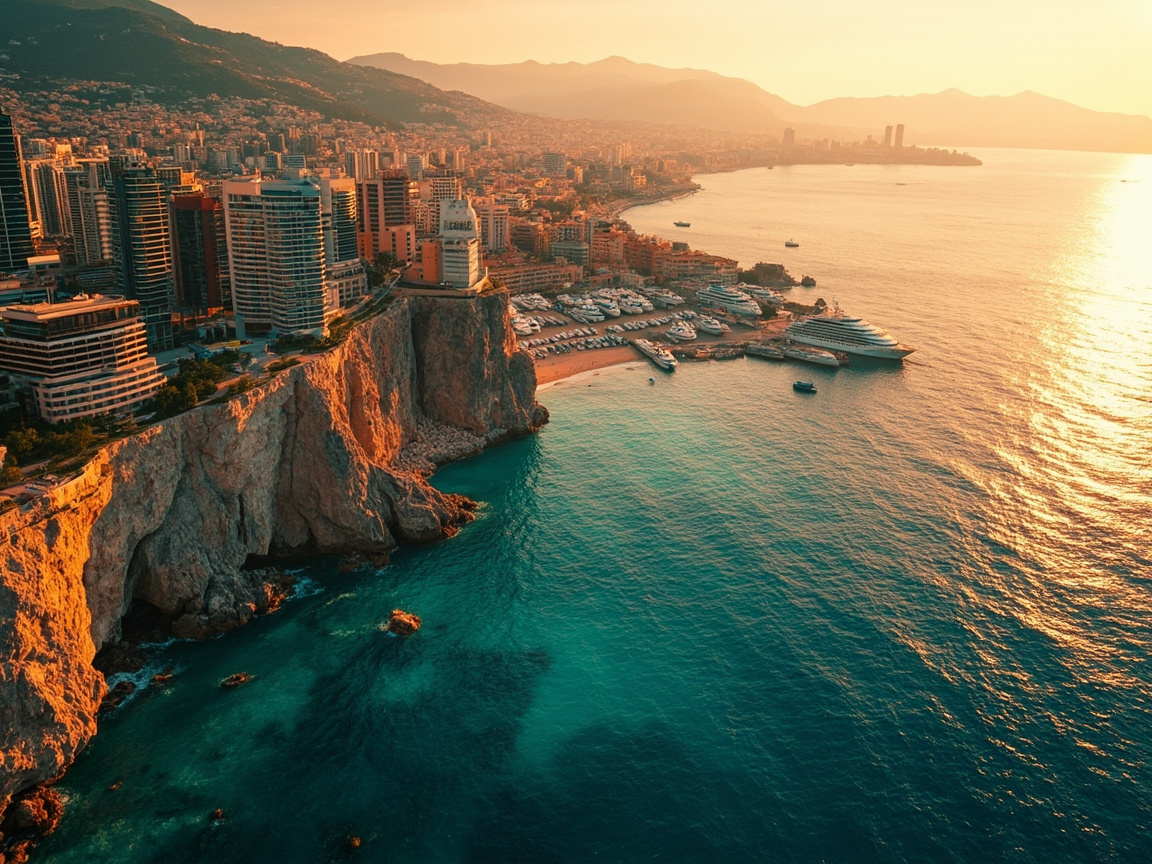
Perched on the French Riviera, Monaco is less a country than an enclave of concentrated wealth and prestige. With under 40,000 residents, the principality maintains one of the highest per capita GDP figures on the planet, sustained by tourism, luxury real estate, and a tightly regulated financial sector. Beyond its casinos and grand prix, Monaco has built strong bilateral relationships with major powers and become a vocal advocate for environmental and ocean-governance causes. Its sovereignty, though shaped by longstanding treaties with France, still allows the ruling Grimaldi family considerable independence in shaping the nation's image and policies.
Singapore: The Strategic Conduit
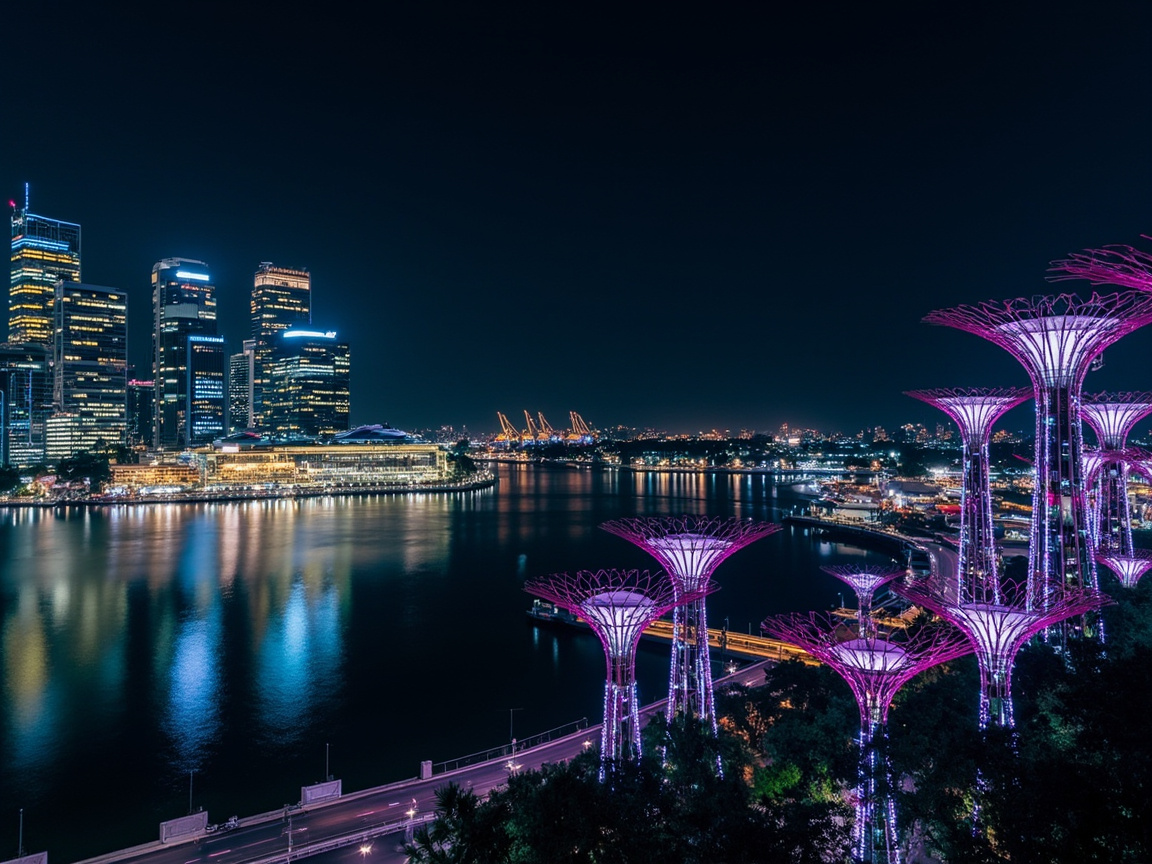
Founded as a British trading post and now an independent city-state, Singapore has transformed itself into a vital conduit between East and West. Its deep-water port handles a substantial share of global shipping traffic, and its carefully crafted legal jurisdiction attracts international firms seeking reliable arbitration and dispute resolution. The government actively leverages the country's neutrality to mediate regional disputes and host summits involving rivals who rarely meet on neutral ground. This positioning has delivered a level of prosperity and stability that belies the nation's modest size.
Luxembourg: A Quiet Financial Powerhouse
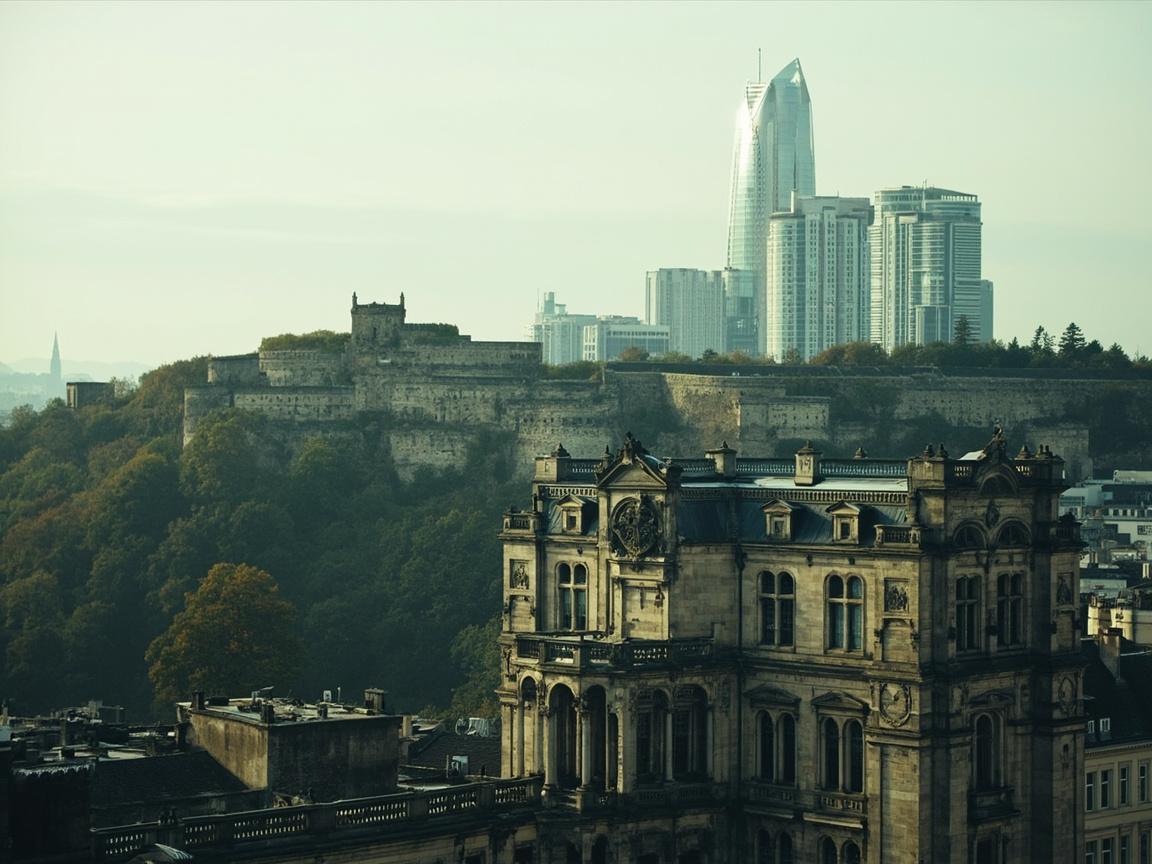
Luxembourg, often associated with rolling hills and medieval castles, is in fact one of the world's most sophisticated financial centers. Long considered a tax haven, the country has evolved into a transparent hub for investment funds, green finance, and satellite communications, hosting the headquarters of major European institutions. Its economy thrives on diversification, with banking, technology, and logistics all playing significant roles. As a founding member of several supranational bodies, Luxembourg wields influence that vastly exceeds what its population of roughly 660,000 would predict.
Common Strategies: A Shared Playbook
What unites these three states is a shared playbook: identify niche advantages, invest in human capital, and avoid overreach. Each has cultivated a reputation for competence, predictability, and discretion — qualities that foreign investors and partners value highly. By refusing to compete on scale, they force the world to engage with them on terms where smallness becomes a strength. Their diplomats, though few in number, are often highly trained and personally known to their counterparts, creating relationships that larger bureaucracies cannot easily replicate.
The Future of Small-State Diplomacy
As global supply chains fragment and digital economies expand, microstates are likely to find new openings. Monaco is investing in fintech, Singapore in artificial intelligence research, and Luxembourg in space-based data services. The challenge will be maintaining relevance as the rules of international geopolitical competition continue to shift, especially for states whose security depends on larger neighbors. Still, history suggests that nimble, well-managed small nations can adapt more quickly than giant ones — a quality that may matter more than ever in the decades ahead.
اختبر نفسك
-
1According to the article, what allows microstates to have more influence than their size would predict?
The article states that strategic geography, specialized economies, and careful statecraft allow these tiny states to punch above their weight.
-
2Beyond its luxury reputation, in which area has Monaco built a notable diplomatic voice?
The article highlights that Monaco has become a vocal advocate for environmental and ocean-governance causes.
-
3What role does Singapore's neutrality play in its regional position?
Singapore leverages its neutrality to mediate regional disputes and host summits between rival parties.
-
4How has Luxembourg's economic role evolved according to the article?
The article describes Luxembourg as evolving from a tax haven into a transparent hub for investment funds, green finance, and satellite communications.
-
5What is one shared strategic approach common to Monaco, Singapore, and Luxembourg?
The article explains that all three states share a playbook of identifying niche advantages and avoiding competition on the basis of scale.