Women Who Changed Science: Five Pioneers You Should Know
For International Women's Day, we celebrate the scientists whose discoveries shaped our world.
Marie Curie and the Secrets of Radiation
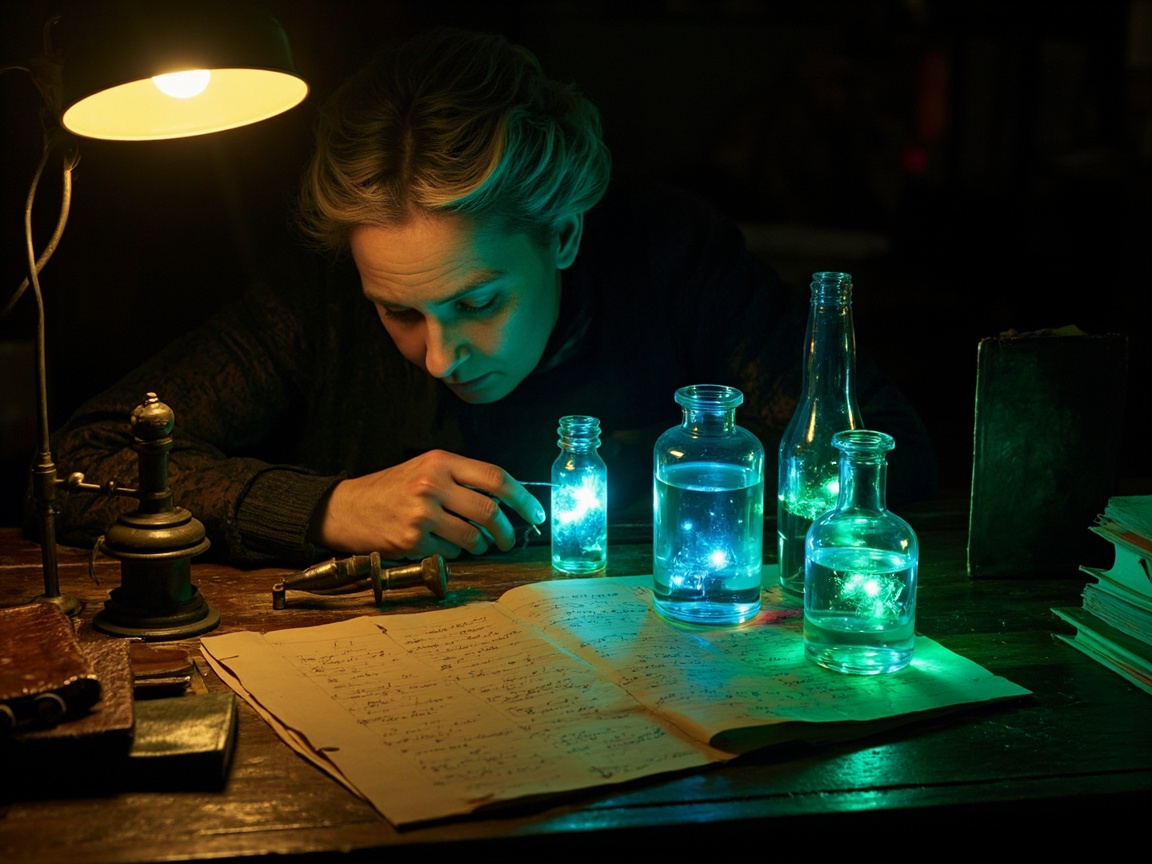
Marie Curie was one of the most important scientists in history. She was born in Poland in 1867 and later moved to Paris to study physics. In her laboratory, Curie studied radioactivity, the energy that comes from certain substances. Her careful work on radiation led to the discovery of two new elements: polonium and radium. Curie became the first person to win the Nobel Prize twice.
Rosalind Franklin and the Shape of DNA
Rosalind Franklin was a British chemist whose research helped us understand life itself. In the 1950s, she used a special X-ray method to study the molecule inside our cells called DNA. Her work produced an important image that showed DNA has a twisted shape, like a spiral staircase. Other scientists used her discovery to build the first model of DNA. Sadly, Franklin died young and did not receive the Nobel Prize during her lifetime.
Ada Lovelace, the First Computer Programmer
Long before modern computers existed, Ada Lovelace was already thinking about machines. Born in 1815 in England, she worked with the inventor Charles Babbage on an early calculating device. Lovelace wrote what is considered the first computer program — a set of instructions for the machine. She also imagined that computers could do more than work with mathematics; they could create music and art. Today, she is celebrated as a true pioneer of computer science.
Mae Jemison Reaches for the Stars
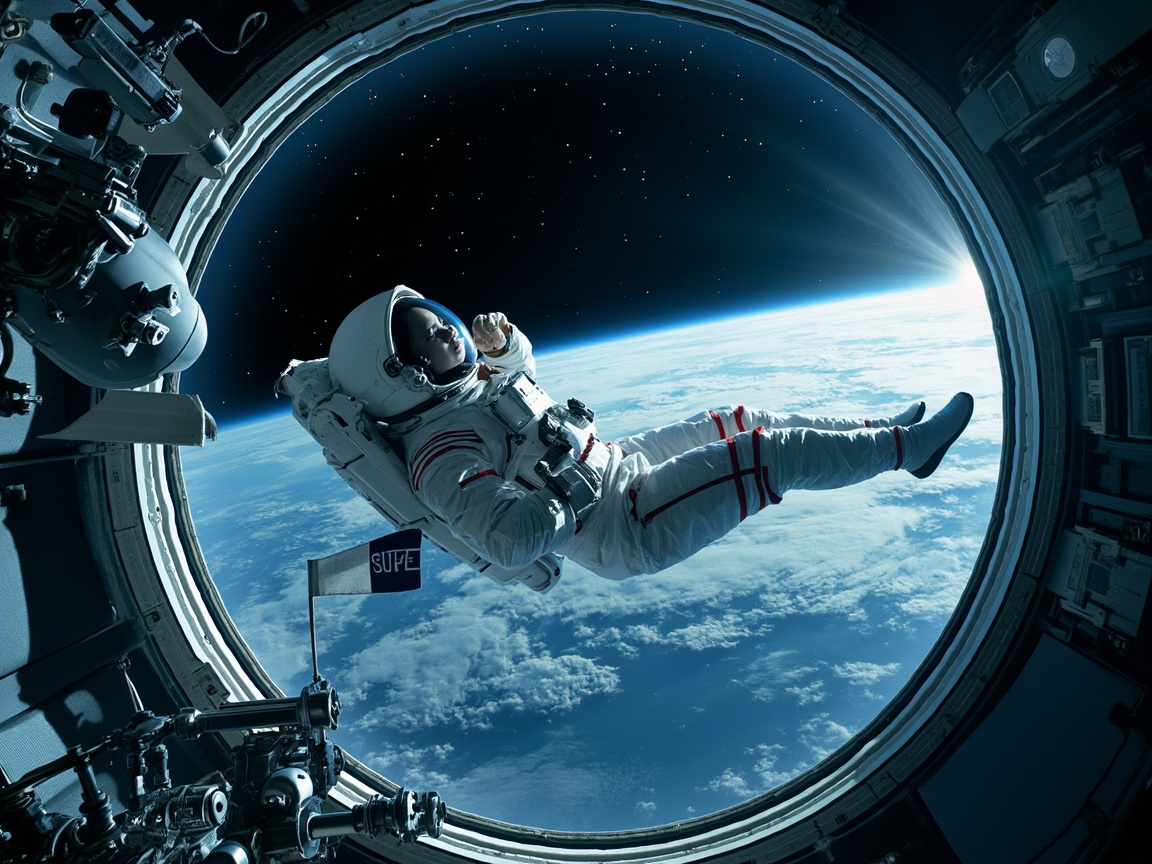
Mae Jemison is an American engineer, doctor, and astronaut. In 1992, she became the first Black woman to travel into space aboard the Space Shuttle Endeavour. Before this breakthrough, Jemison worked as a doctor in West Africa and studied physics and engineering. In space, she carried out experiments to understand how the human body reacts to zero gravity. Jemison continues to inspire young people, especially girls, to follow careers in science.
Why Their Stories Matter
The work of these women changed the world in ways we still feel today. Curie helped us understand the atom, Franklin revealed the code of life, Lovelace imagined modern computing, and Jemison showed that space is open to everyone. Sadly, for many years, their stories were not widely told by researchers or in schools. Today, museums and teachers are working harder to share the work of female scientists. Their courage and curiosity continue to inspire new generations around the globe.
اختبر نفسك
-
1What did Marie Curie discover in her laboratory?
The article says Curie's work on radiation led to the discovery of two new elements: polonium and radium.
-
2What did Rosalind Franklin's X-ray image help scientists understand?
The article explains that Franklin's image showed that DNA has a twisted, spiral shape.
-
3Who is often called the first computer programmer?
The article says Lovelace wrote what is considered the first computer program in the 1800s.
-
4In which year did Mae Jemison first travel into space?
According to the article, Jemison became the first Black woman in space in 1992.
-
5Why do the stories of these women matter today, according to the article?
The final section says their courage and curiosity continue to inspire new generations of scientists around the world.