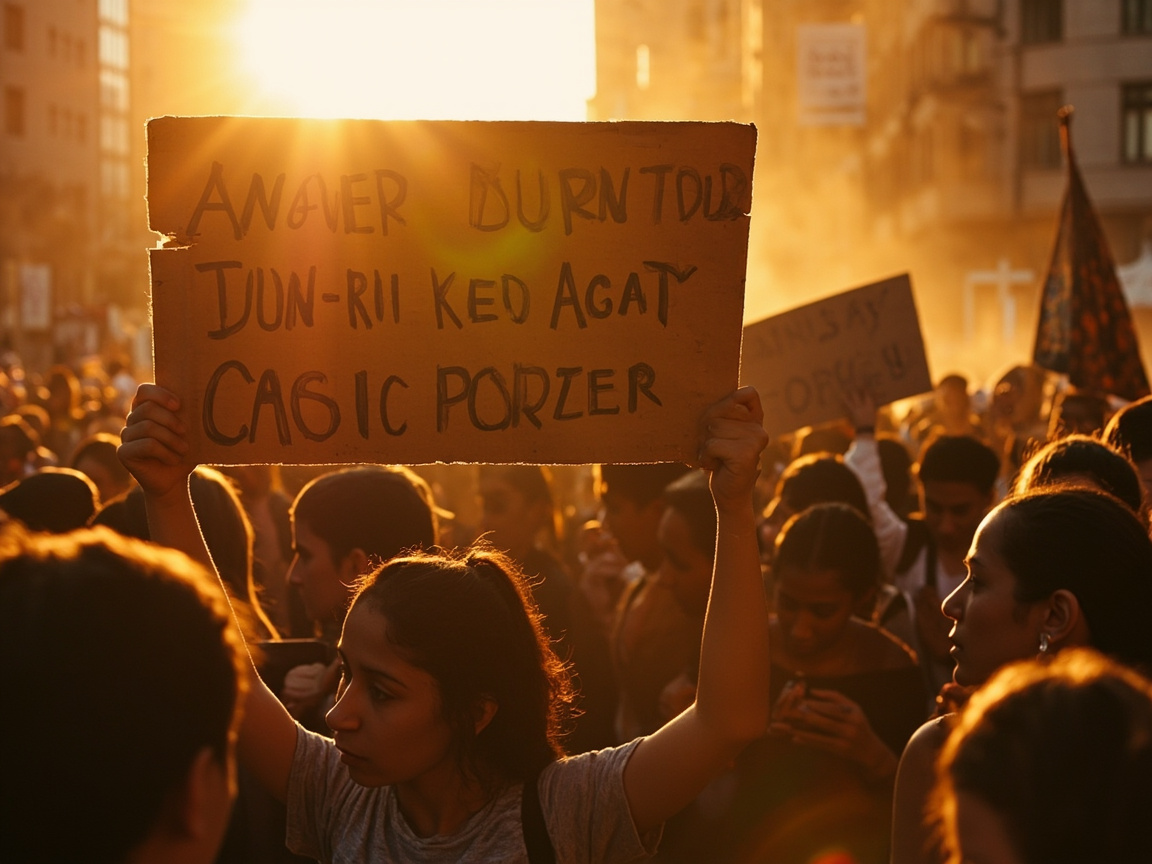
The Language of Protest: Words That Move the World
How slogans, chants and signage have shaped — and reflected — the social movements that change history.
The Power of a Single Phrase
A single sentence can travel further than a thousand-page manifesto. Throughout history, slogans like "Liberté, Égalité, Fraternité" or "Black Lives Matter" have condensed complex political arguments into resonant phrases that anyone can repeat. Their brevity is their power: a phrase that fits on a placard can fit in a conversation, a song or a headline. When repeated by enough voices, that phrase becomes a cultural touchstone, shifting the zeitgeist of an entire era. Yet slogans are never neutral — every word is chosen to provoke, persuade or haunt.
Chants, Cadence and Collective Voice
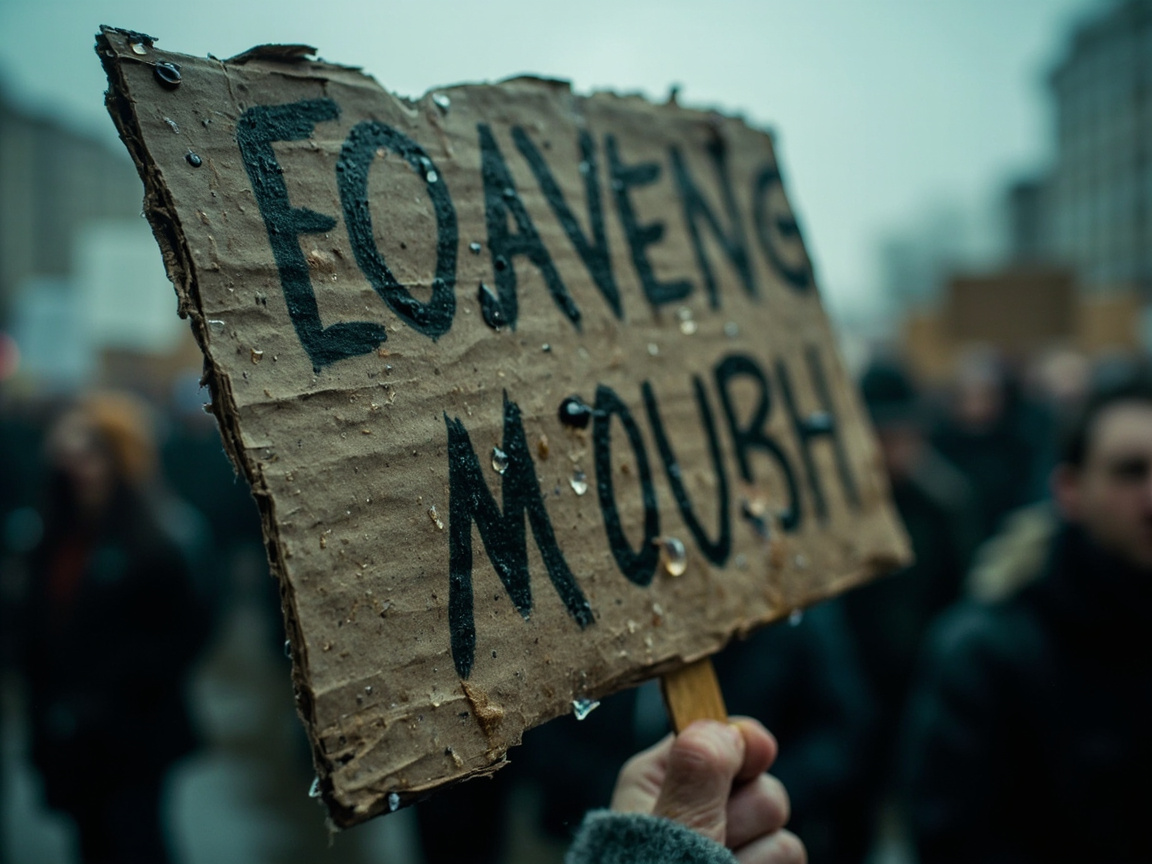
Where written words reach the eye, chants reach the body. Protesters use rhythm and rhyme to turn solitary anger into solidarity, syncing heartbeats as much as voices. A refrain repeated over and over becomes almost hypnotic, carrying messages through crowds where no microphone could reach. This is why so many chants borrow from music — folk songs, hymns, even pop anthems — to amplify their emotional impact. The result is less a conversation than a mobilization: bodies in motion, voices in unison, demanding to be heard.
Signage and Symbols: The Visual Protest
A hand-painted cardboard sign has toppled more governments than most armies. Signage at protests does work that words alone cannot: it must communicate instantly to passers-by, journalists and cameras. The most effective signs are short, witty and often emblematic, distilling anger into a single image or pun. The pink "pussyhat" of 2017 or the raised fist of the 1960s became shorthand for entire movements, instantly recognizable across continents. In a world saturated with ubiquitous images, a clever sign can travel from a city square to a smartphone screen in seconds.
From Street Corners to News Feeds
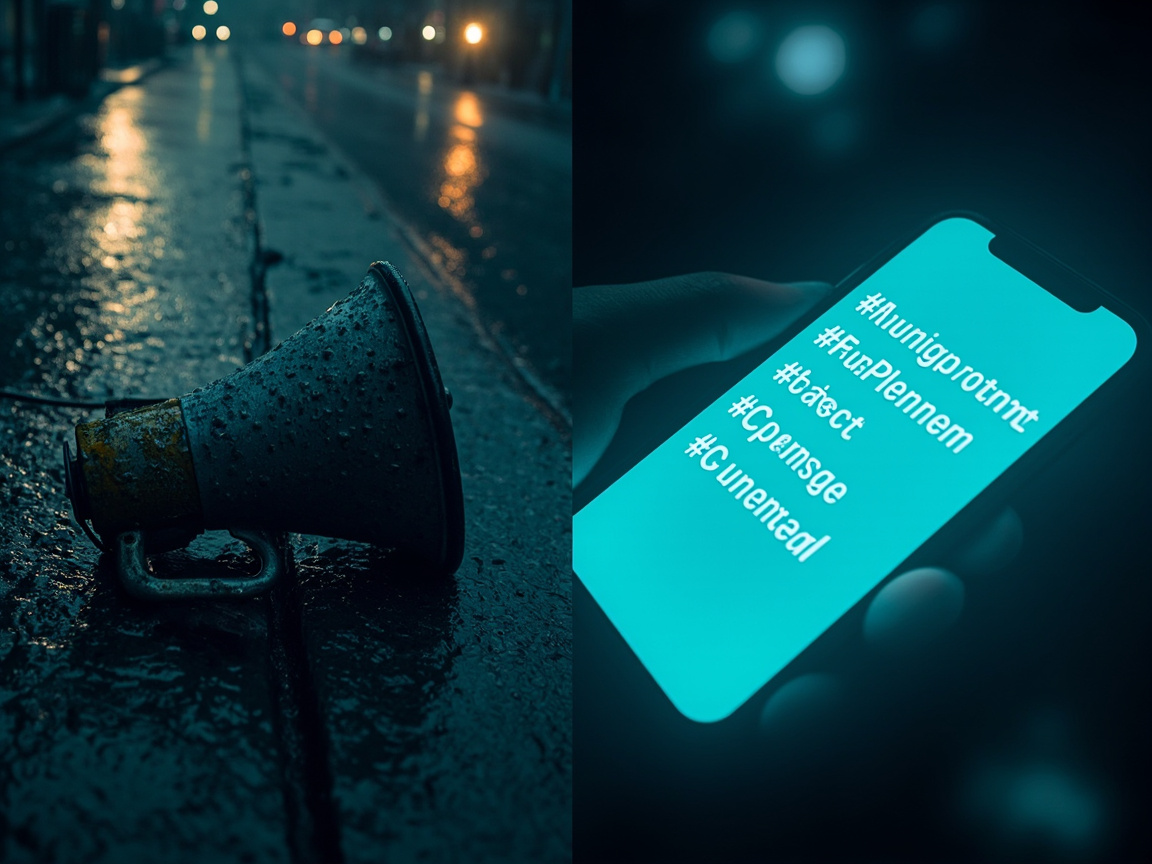
The language of protest no longer lives only on the street. Hashtags, memes and viral videos have become the digital slogans of the 21st century, allowing movements born in one country to galvanize supporters thousands of miles away. A phrase like #MeToo or #ClimateStrike can disseminate across languages and time zones, often before traditional news outlets have even noticed. Yet this reach comes with risks: messages can be stripped of context, hijacked by opponents or drowned out by backlash. The platforms that amplify protest also surveil it, raising urgent questions about who truly controls the megaphone.
The Lasting Echo of a Movement
What happens to a slogan after the cameras leave? Some phrases fade with their moment, while others are absorbed into everyday language, changing how an entire society thinks. When the formerly disenfranchised are finally heard, the words they coined — "suffragette," "civil rights," "Pride" — become part of the cultural inheritance of everyone. The language of protest is therefore not just a weapon of the moment but a slow, patient craft of reshaping the public mind. Long after the placards are taken down, the words that moved the world continue to move us.
اختبر نفسك
-
1According to the article, why are short slogans so powerful?
The article explains that the brevity of slogans is their main strength, allowing them to fit in conversations, songs and headlines.
-
2What is the main purpose of chants in a protest, according to the article?
The article states that chants use rhythm to turn solitary anger into solidarity and become a form of mobilization.
-
3The pink "pussyhat" of 2017 is mentioned as an example of what?
The article describes the pink pussyhat as emblematic shorthand for an entire movement, recognizable across continents.
-
4What risk does the article associate with digital slogans like hashtags?
The article warns that digital slogans can lose context, be co-opted or face backlash despite their wide reach.
-
5According to the article, what eventually happens to the most successful protest slogans?
The article concludes that some slogans are absorbed into everyday language and slowly reshape the public mind.