Beyond the Road: The Second Life of EV Batteries
As millions of electric cars reach the end of the road, their batteries are starting new careers in homes, factories and power grids.
A Growing Mountain of Batteries
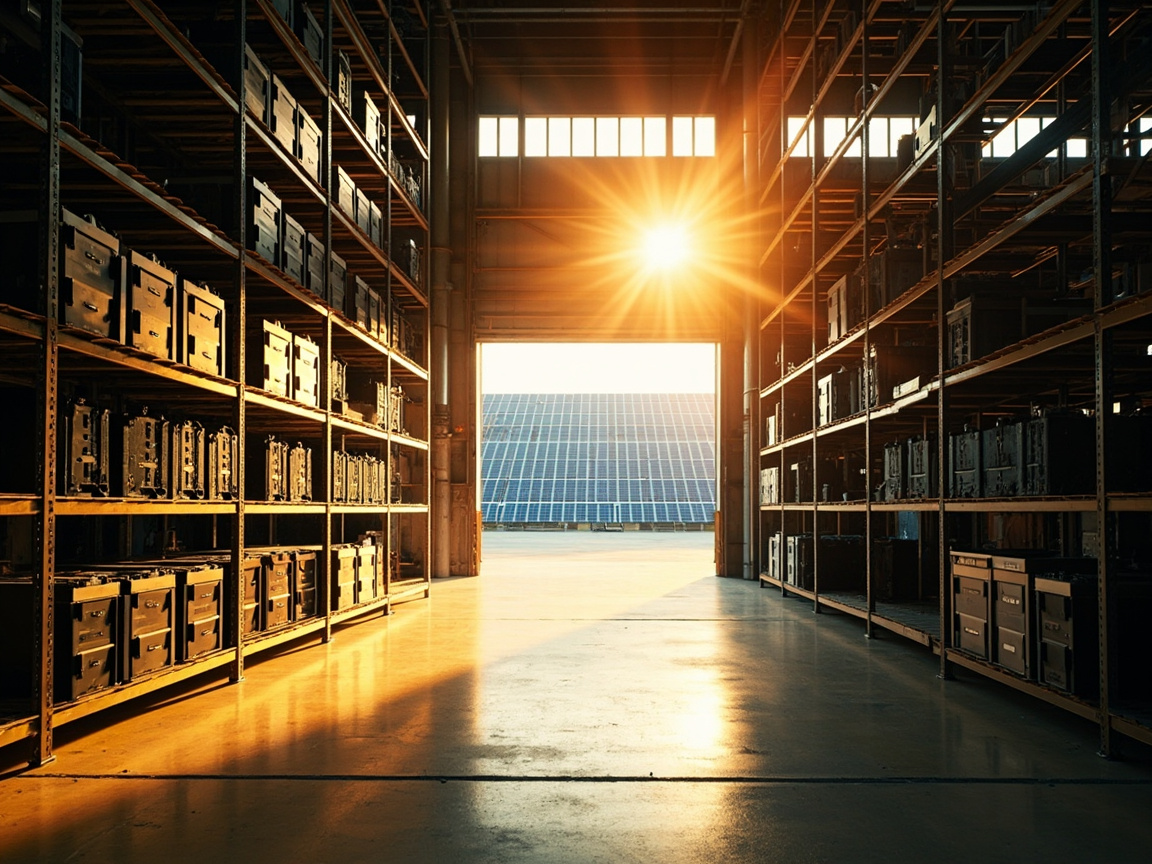
Around the world, electric vehicles are becoming a common sight. But every car will eventually reach the end of its lifespan, and that creates a difficult question: what should we do with thousands of heavy battery packs? Experts warn that the volume of batteries reaching retirement could strain waste systems within a decade. The good news is that most of these batteries still hold a lot of useful capacity, often between 60 and 80 percent of their original power. That means they are far too valuable to throw away.
From Car to Grid: Repurposing Batteries
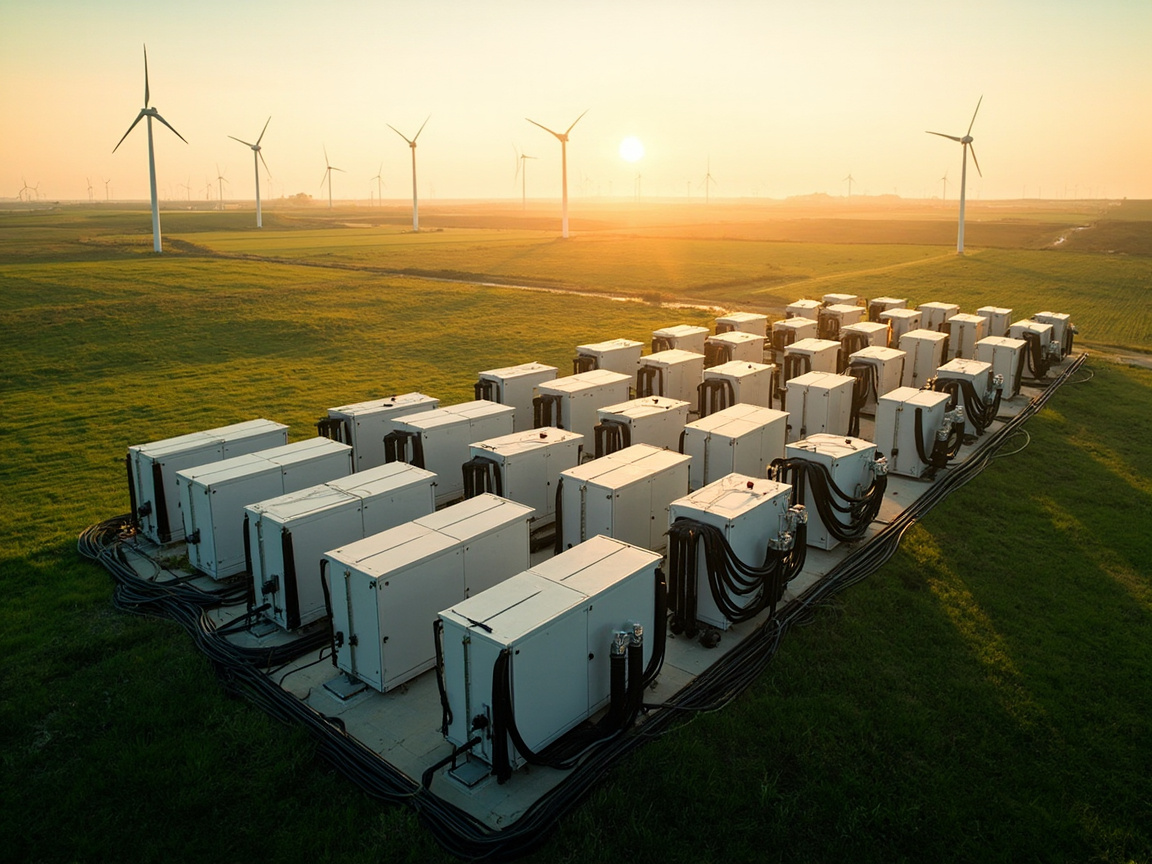
Instead of being crushed, many old EV batteries are getting a second life in completely new roles. They can be grouped together in large cabinets to store energy from renewable sources such as solar and wind, and then feed that power back into the electrical grid when people need it most. In several countries, retired batteries already light up factories, supermarkets and even small towns during the evening. This kind of reuse also reduces the pressure on the supply chain for new raw materials like lithium and cobalt, which are difficult and costly to mine.
Inside the Recycling Plant
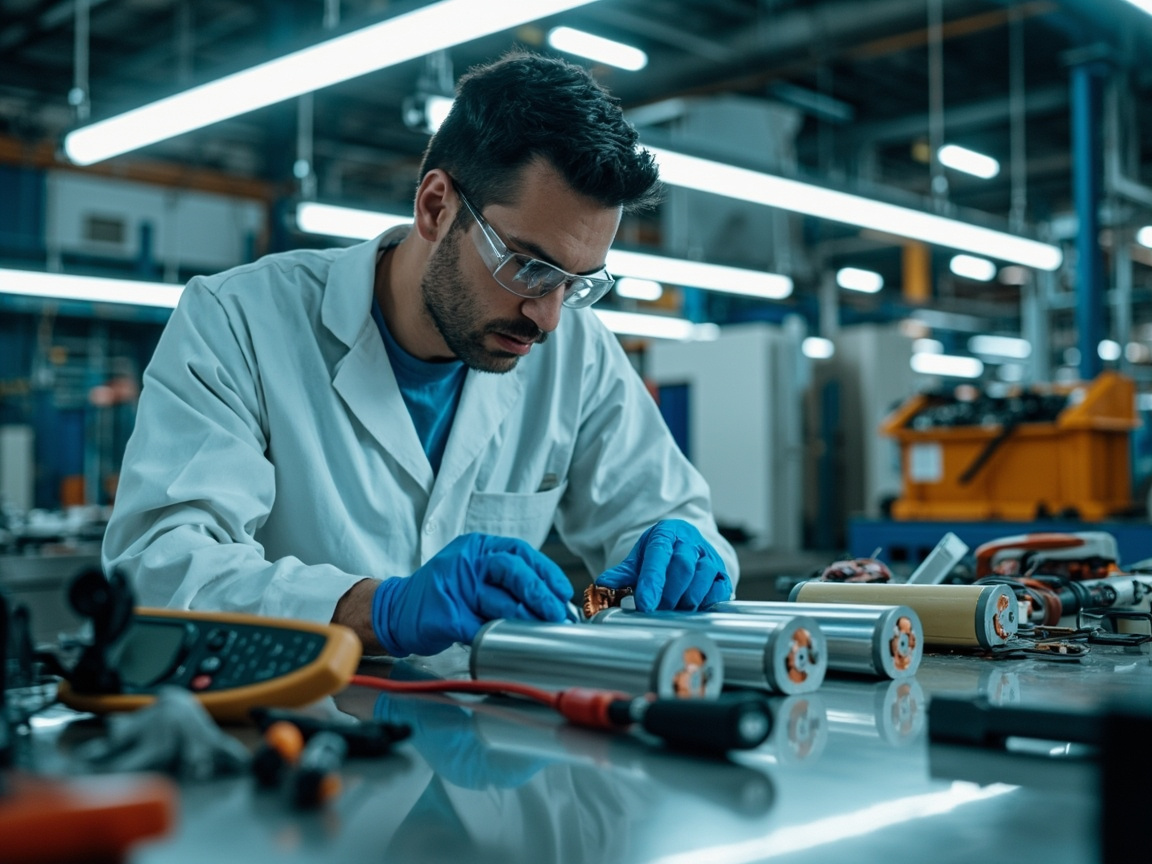
When a battery truly can no longer be used, the next step is recycling. Inside a modern recycling plant, workers begin by dismantling the packs and separating the metal cases, the wiring and the individual cells. Special machines then crush the cells and use chemical baths to pull out valuable metals such as lithium, nickel and cobalt. A chemist at a German plant compares the process to urban mining: cities and old products are turning into rich sources of metals, much like traditional mines. In the best facilities, more than 90 percent of key materials can be recovered and sent back to battery makers.
A Booming Business
The second-life and recycling industry is attracting serious investment from both car companies and energy firms. Several major manufacturers have announced partnerships with power companies to build giant storage projects that will serve entire neighbourhoods. Supporters say this approach is a key part of the circular economy, an economic model where materials are kept in use for as long as possible instead of being thrown away. Analysts expect the market for used EV batteries to grow rapidly over the next ten years, creating thousands of new green jobs in the process.
Challenges on the Horizon
Still, the path forward is not simple. regulators in many countries are still writing clear rules about how to transport, test and certify used batteries. Safety is another concern, because damaged cells can overheat and catch fire. In addition, not every battery is worth recycling; some packs are simply too old or too worn to be useful. For now, the industry, governments and consumers must work together to make sure that today's electric cars become tomorrow's clean energy, not tomorrow's waste.
اختبر نفسك
-
1According to the article, how much useful capacity do most used EV batteries still hold?
The article states that most retired batteries still hold between 60 and 80 percent of their original power.
-
2What is one main use for batteries in their 'second life'?
The article explains that second-life batteries are grouped together to store energy from renewable sources like solar and wind.
-
3What does a chemist at a German plant compare battery recycling to?
The chemist compares the recycling process to urban mining, where cities become rich sources of metals.
-
4What does the article say the 'circular economy' is?
The article describes the circular economy as a model where materials are kept in use for as long as possible instead of being thrown away.
-
5What is one challenge mentioned for the second-life battery industry?
The article notes that regulators in many countries are still writing rules about transporting, testing and certifying used batteries.