Quiz: Water, Energy and Power
An advanced exploration of how rivers, aquifers and electricity grids shape global politics.
The Resource Equation
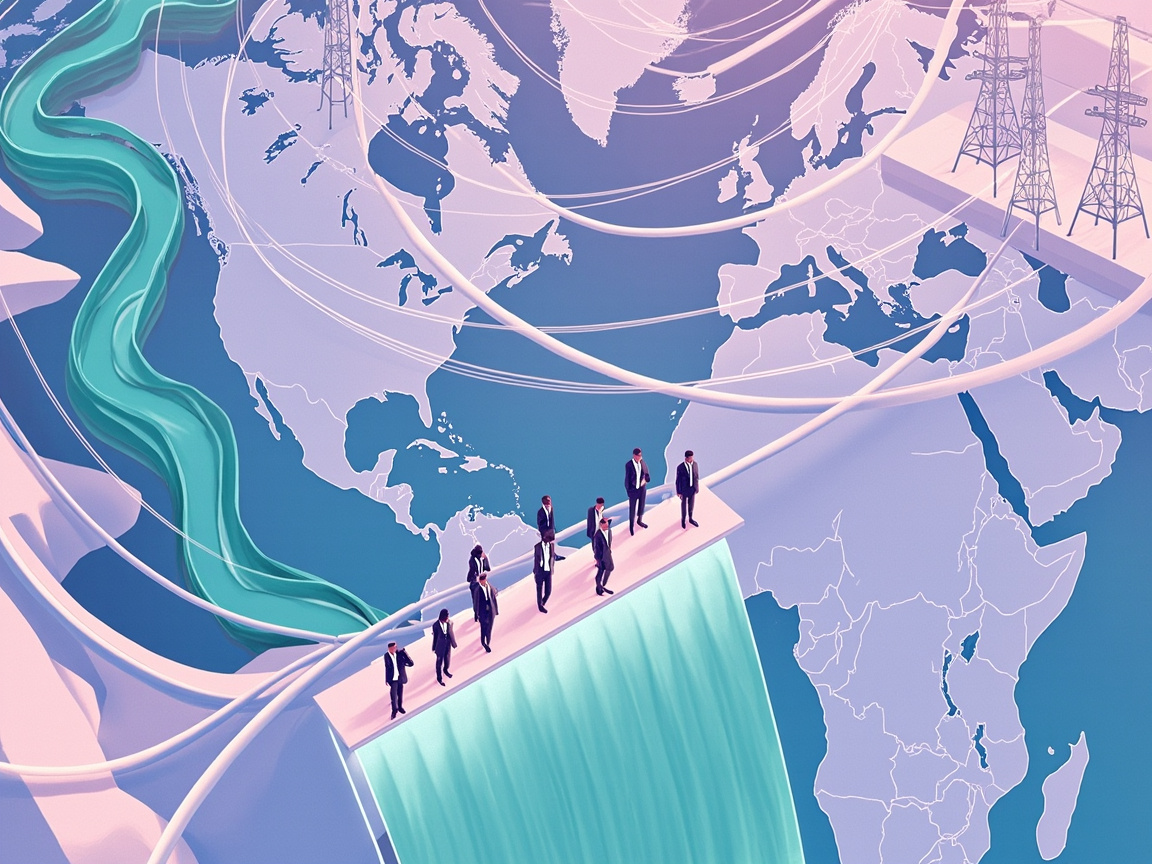
Few issues sit at the intersection of climate, security and economics quite like the question of who controls the world's water and energy. Rising consumption in industrialising economies is colliding with physical scarcity in regions that once exported power. The result is a slow redrawing of trade maps, as nations weigh sovereignty over shared resources against the lure of cross-border supply. Hydropower, long celebrated as a clean alternative to fossil fuels, now carries a strategic weight that few engineers anticipated a generation ago.
Cooperation, Conflict and the Politics of Pipelines
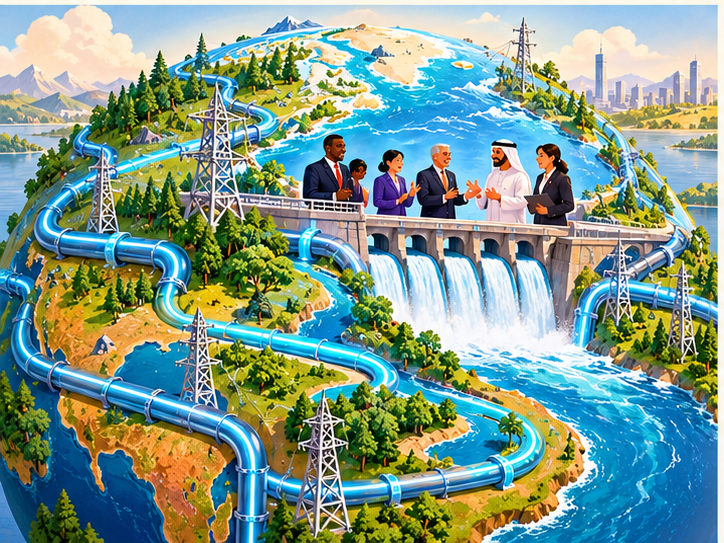
Where rivers cross borders, treaty law is the thin line between diplomacy and confrontation. A dam built upstream, a canal diverted through contested farmland, an aquifer drilled dry for irrigation: each decision ripples across ministries, markets and migrant routes. New investments in desalination and grid infrastructure are quietly redrawing alliances, especially in regions where one neighbour's surplus is another's survival. Understanding these dynamics means reading a map not by its borders, but by its pipes, turbines and groundwater flows.
اختبر نفسك
-
1What factor is described as the main driver behind the current reshaping of resource trade patterns?
The article attributes the redrawing of trade maps to rising consumption in industrialising economies clashing with physical scarcity.
-
2According to the text, treaty law is most often invoked in disputes over:
The article specifically states that 'where rivers cross borders, treaty law is the thin line between diplomacy and confrontation.'
-
3Which technology is highlighted as quietly reshaping regional alliances?
The text names desalination and grid infrastructure as quiet reshapers of regional alliances.
-
4What new role does the article attribute to hydropower today?
The article states that hydropower 'now carries a strategic weight that few engineers anticipated a generation ago.'
-
5How does the article suggest we should read a modern geopolitical map?
The closing line argues that understanding these dynamics means reading a map 'not by its borders, but by its pipes, turbines and groundwater flows.'