Working Holidays: Trading Your Desk for the World
A B1 culture feature on voluntourism — picking grapes, teaching abroad, and the debates behind the boom
What Is a Working Holiday?
A working holiday is a type of travel where you explore a country while doing short jobs to pay for your trip. Many young people choose this option after finishing school or university. Instead of staying in expensive hotels, they often sleep in hostels or with local families. The idea is simple: you give a few hours of work each day and receive food, a bed, or a small budget in return. This way, the journey costs much less than a normal holiday.

Picking Grapes in France
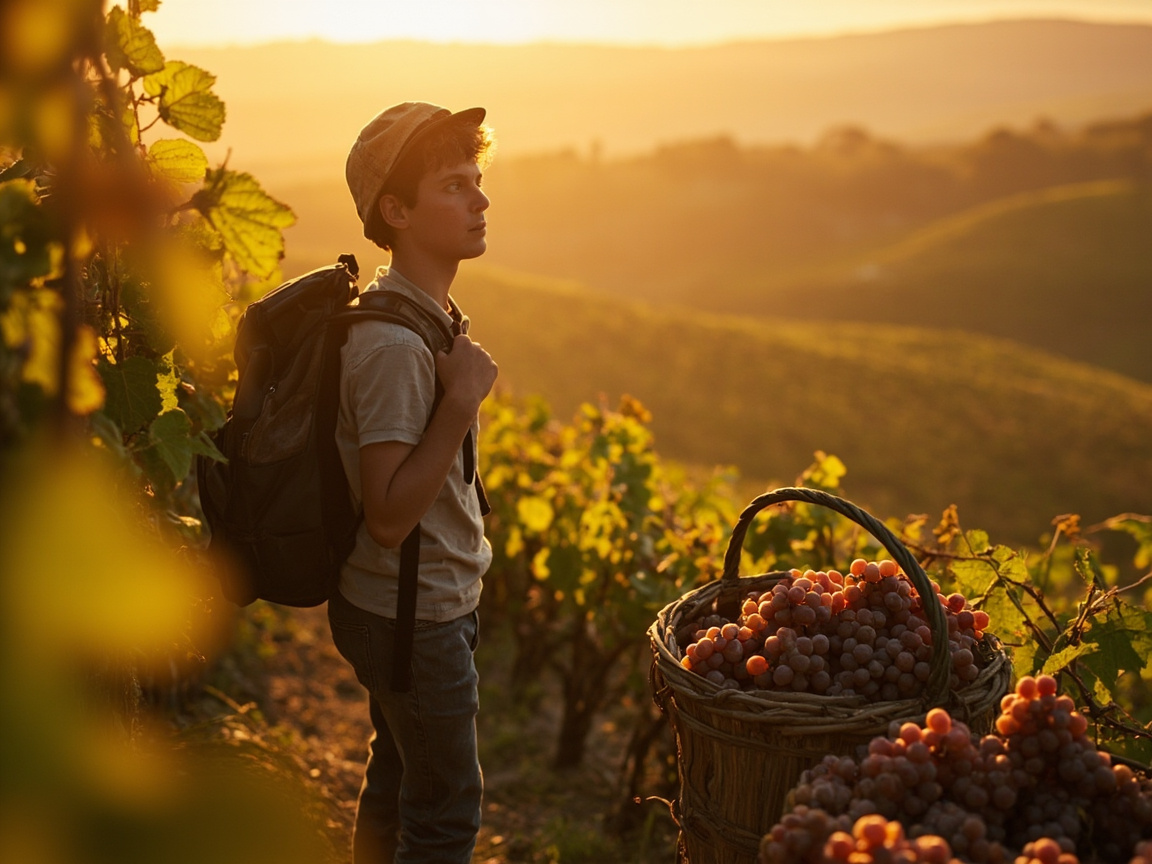
Every autumn, the vineyards of southern France need extra hands to harvest grapes. Travellers from all over the world come to help, and the work is hard but enjoyable. In the morning, the fields are wet with dew, and the air smells sweet. Workers usually live in shared accommodation on the farm, eat together, and share stories at night. At the end of the day, you feel tired but proud, knowing your work will become bottles of wine.
Teaching in Kenya
In small villages of Kenya, volunteers help teach English and basic computer skills to children. Most projects ask volunteers to stay for at least three months so the children can build trust with them. Volunteers often live in a homestay with a local family, which is a wonderful way to experience daily life. Outside the classroom, you might volunteer to help fix the school roof or plant a small garden. The smiles of the students make every difficult moment rewarding and worth it.
The Voluntourism Debate
Voluntourism — the mix of volunteering and tourism — has grown quickly, and not everyone thinks it is positive. Critics say that some short projects do not help local communities in the long term. For example, a volunteer who stays only two weeks may not learn enough about the culture to be truly useful. Responsible travellers now look for sustainable projects that put local people first. Doing a little research before you go can make your trip much more meaningful and ensure real immersion in the local way of life.
How to Get Started
Planning a working holiday is easier than you might think. First, choose a destination that interests you, then search online for well-known volunteer organisations. Read reviews from other travellers and check that the project is ethical. Pack light clothes, basic medicines, and an open mind. Finally, set a simple itinerary with a few goals — but leave space for surprises, and be ready for some culture shock during the first week.
Memories That Last Forever
Working holidays are not just about saving money. They are about meeting people, learning new skills, and seeing the world from a different angle. Many backpackers say these trips changed their lives forever. You return home with new friends, a fuller passport, and stories you will tell for years. Sometimes the best souvenirs are the memories you simply cannot put in a bag.
اختبر نفسك
-
1According to the article, what is a working holiday?
The article defines a working holiday as travel where you do short jobs to help pay for the trip.
-
2What do workers in French vineyards usually receive in exchange for their work?
The article says volunteers receive food, a bed, or a small budget in return for their hours of work.
-
3How long do most volunteer projects in Kenya ask volunteers to stay?
The article says most projects in Kenya ask volunteers to stay for at least three months.
-
4What is one criticism of voluntourism mentioned in the article?
The article explains that critics worry short projects do not really help communities in the long term.
-
5What do many backpackers say about working holidays at the end of the article?
The final section says many backpackers feel these trips changed their lives forever.