Farms in the City: Vertical Farming Grows Up
Can stacked warehouses full of LEDs really feed the world's urban populations?
A New Kind of Farm
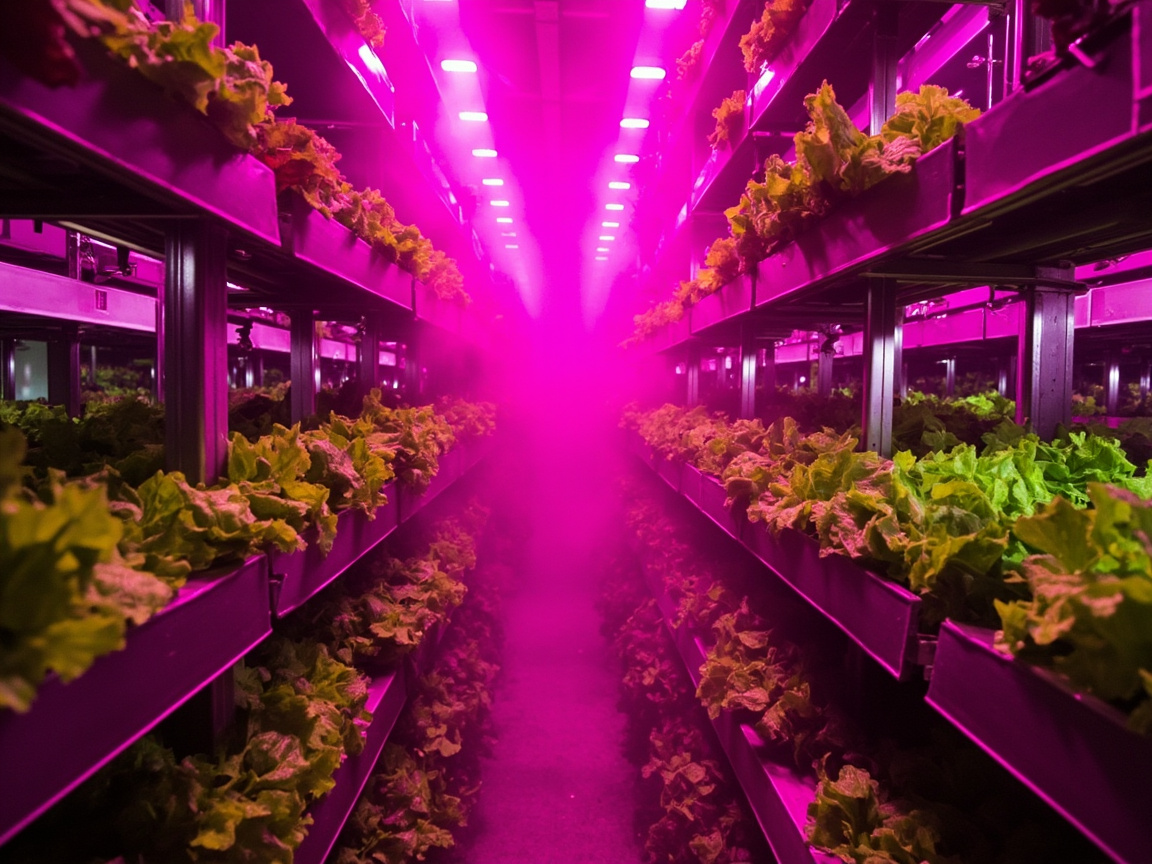
Inside an old warehouse in a busy city, rows of green lettuce glow under bright purple lights. This is not a science lab — it is a vertical farming facility. Across the world, similar projects are changing how urban communities grow food. Instead of waiting for sun and rain, these farms control every part of the growing process. Fresh vegetables can be harvested every week, no matter the season.
How Do They Work?
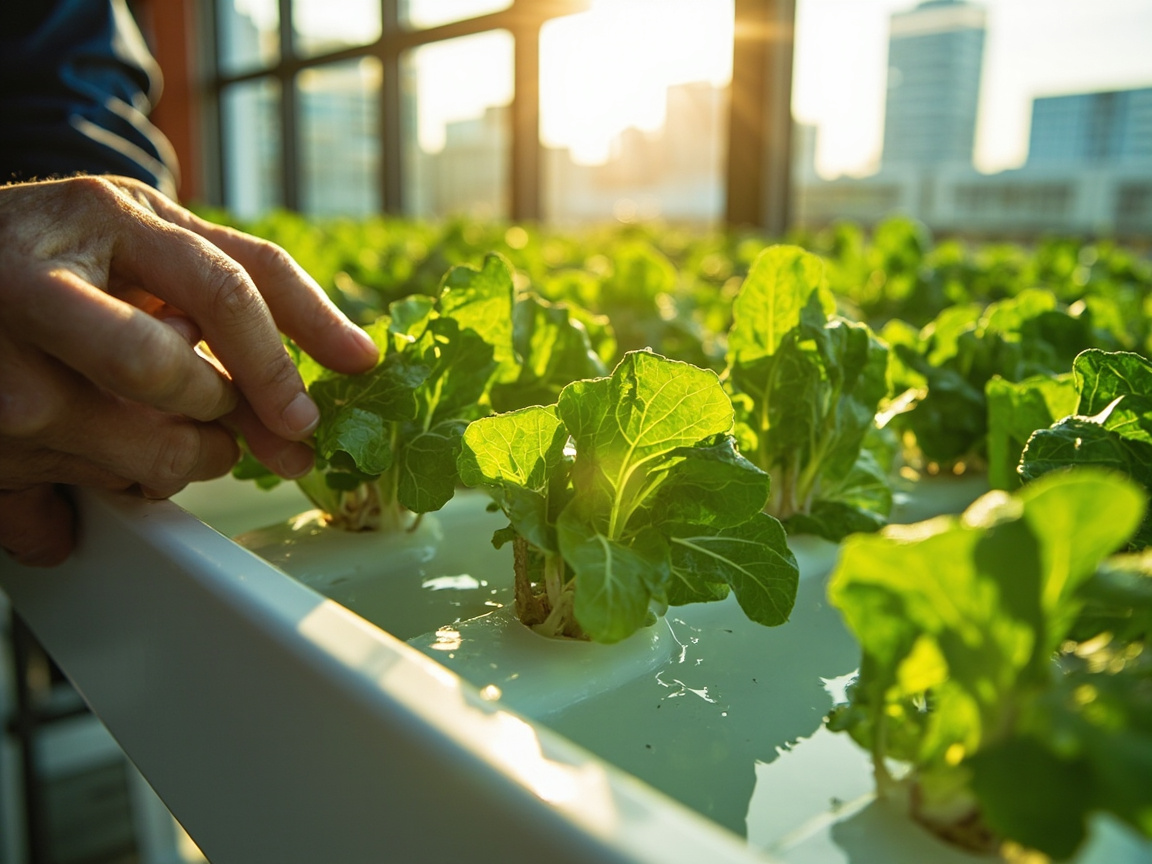
Modern vertical farms rely on advanced technology such as hydroponics, where plant roots sit in nutrient-rich water instead of soil. Sensors and computers carefully manage the climate inside, adjusting temperature, humidity, and light. This controlled setting allows farmers to increase crop yield while using up to 90 percent less water than open fields. The result is food that grows faster and more predictably than on traditional farms.
Why Cities Welcome Them
When food is grown close to consumers, the supply chain becomes much shorter. Trucks travel fewer kilometers, which reduces pollution and keeps prices more stable. Because the farms are enclosed, almost no pesticide is needed. Many studies also show the greens are more nutritious because they are picked at the perfect moment. For crowded cities, this is an important step toward a sustainable food system.
The Real Challenges
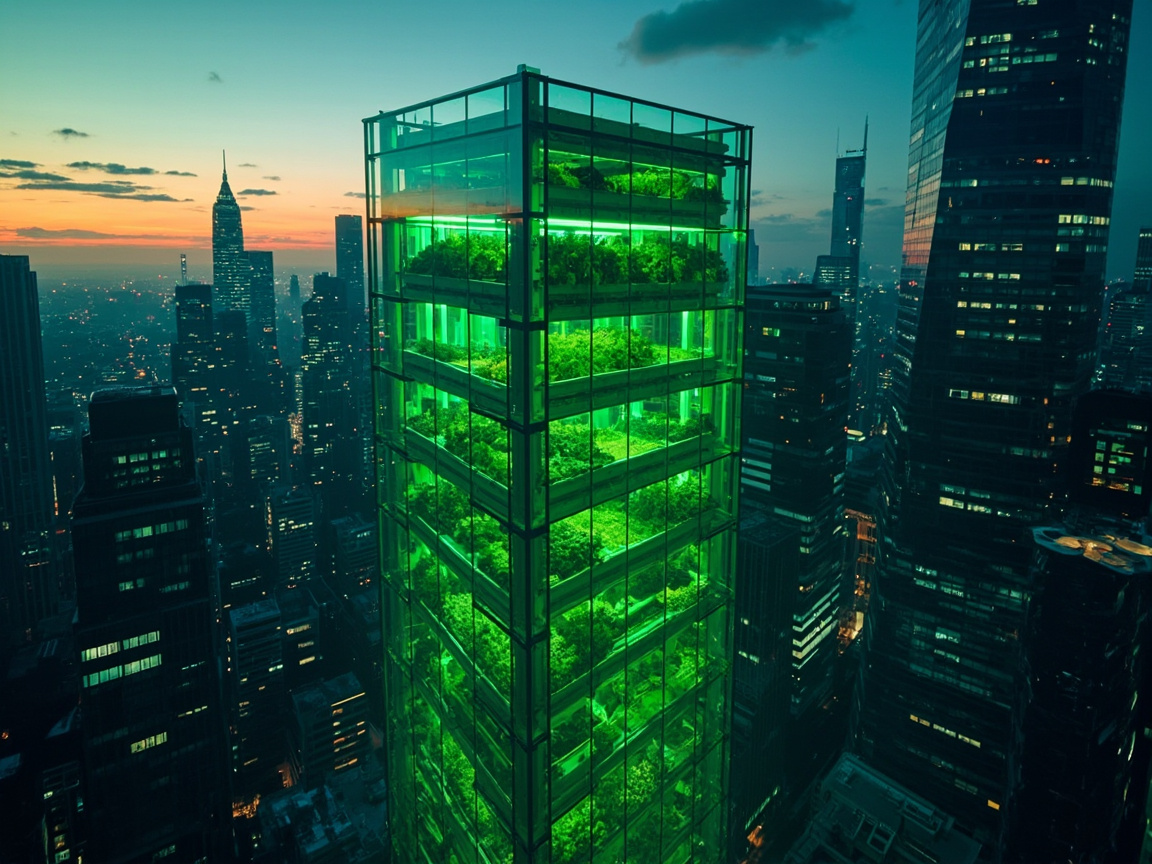
However, vertical farming is not a perfect solution. The investment required for buildings, lights, and robots is high, and electricity bills can quickly grow. Some critics argue that the farms are not yet efficient enough to feed entire populations. Leafy greens and herbs grow well indoors, but staples like wheat and rice are still difficult to produce at scale. Researchers are now working to bring down costs and improve energy use.
Feeding Tomorrow's Cities
By 2050, around 70 percent of the world's people are expected to live in cities. Demand for fresh, local food will continue to expand, especially in places where farmland is limited. Most experts believe vertical farms will not rival traditional agriculture, but work alongside it. With smarter design and renewable energy, indoor farming may finally become a normal part of city life.
اختبر نفسك
-
1What do vertical farms use to grow plants without soil?
The article explains that hydroponics uses nutrient-rich water in place of soil.
-
2Why is the supply chain shorter for vertical farms?
Growing food near consumers means the supply chain from farm to table is much shorter.
-
3What is one major challenge mentioned for vertical farming?
The article notes that the investment in equipment and energy bills are major challenges.
-
4What percentage of the world's population is expected to live in cities by 2050?
The article states that around 70 percent of people may live in cities by 2050.
-
5According to experts, what role should vertical farms play?
Experts believe vertical farms should complement, not rival, traditional agriculture.