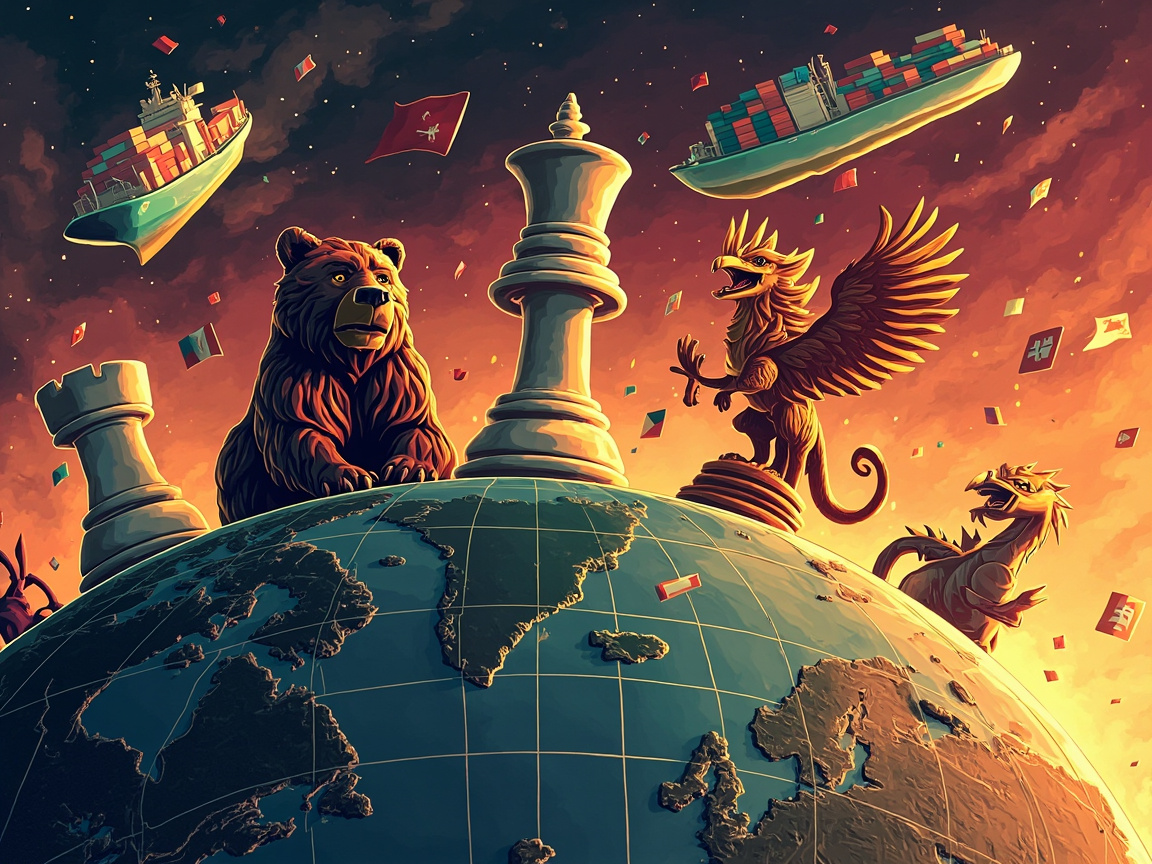
Quiz: Geopolitics of the 2020s
Power, trade and territory — a challenging world-affairs quiz.
A Shifting Balance of Power
The 2020s have been marked by the erosion of unchallenged hegemony and the rise of multipolarity, as middle powers such as India, Brazil and Turkey increasingly shape diplomatic outcomes. Strategic competition between Washington and Beijing has become the defining axis of international relations, with both sides investing in military modernisation and technological supremacy. At the same time, regional organisations are asserting greater sovereignty over their security architectures, complicating traditional alliance systems. The result is a global order that is less predictable and more contested than at any point since the Cold War.
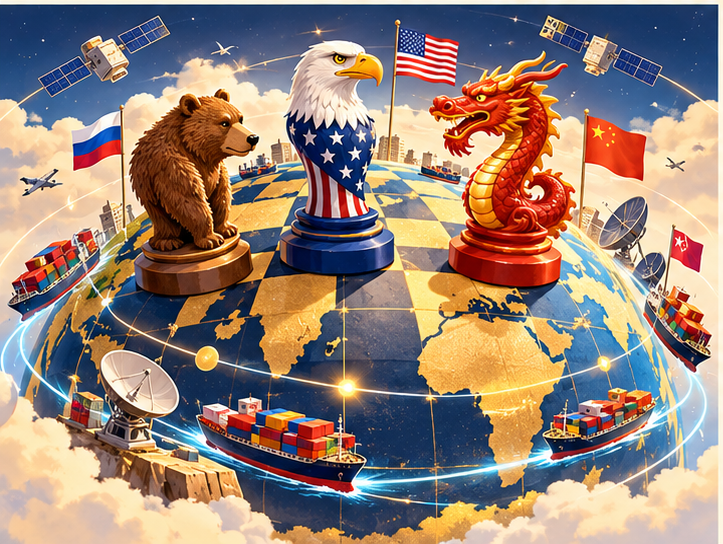
Trade, Sanctions and Territorial Disputes
Economic sanctions and export controls have become primary tools of statecraft, targeting semiconductor supply chains, energy markets and financial networks. Policy-makers in Brussels, Tokyo and Washington now treat containment as a multidimensional project that blends industrial policy with military posture. From the South China Sea to the Caucasus and the Sahel, flashpoints have tested the credibility of Western deterrence and raised fears of miscalculation. Analysts also warn that accelerating fragmentation of the global economy into rival blocs could entrench instability and make diplomatic brinkmanship the new normal.
Quiz
-
1According to the article, what has become the defining axis of international relations in the 2020s?
The article states explicitly that strategic competition between Washington and Beijing has become the defining axis of international relations.
-
2Which countries are cited as middle powers increasingly shaping diplomatic outcomes?
The first section names India, Brazil and Turkey as middle powers shaping diplomatic outcomes in a multipolar era.
-
3Which sectors does the article identify as primary targets of economic sanctions?
The second section lists semiconductor supply chains, energy markets and financial networks as the key targets of contemporary sanctions.
-
4What do analysts warn could become 'the new normal' in diplomacy?
The article concludes that diplomatic brinkmanship may become the new normal as the global economy fragments into rival blocs.
-
5Why does the article describe the current global order as 'less predictable'?
The first section attributes unpredictability to regional bodies asserting sovereignty and to the contestation of traditional alliance systems.