Sportswashing: Soft Power or Fair Play?
When nations host mega-events, is it sport — or reputation management?
Defining the Game Behind the Game
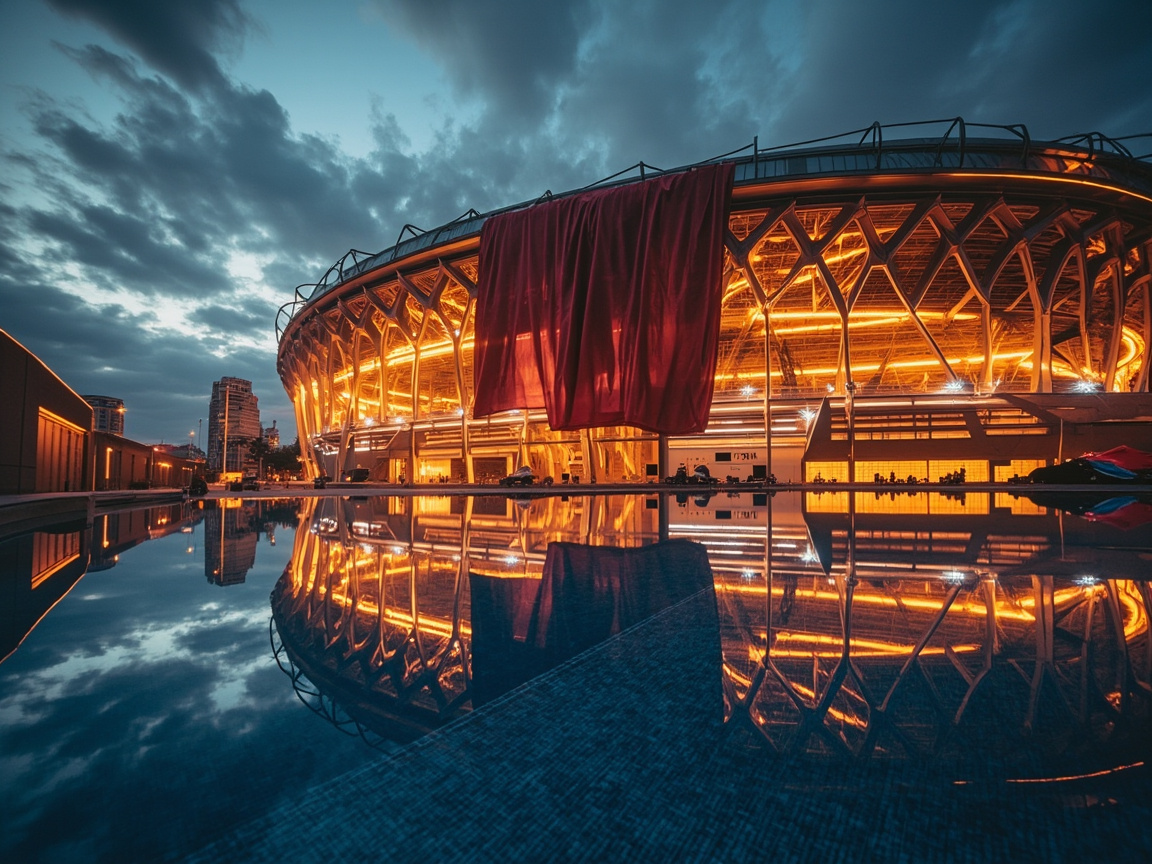
The term sportswashing describes a strategy in which governments use major sporting events to improve their international image. Critics argue that the goal is not competition but a carefully staged display of soft power. By welcoming the world to watch their stadiums, athletes and ceremonies, host nations can shift public attention away from controversial policies. The result, observers say, is a kind of modern propaganda, dressed in tracksuits and medal ceremonies.
Why Nations Chase the Spotlight
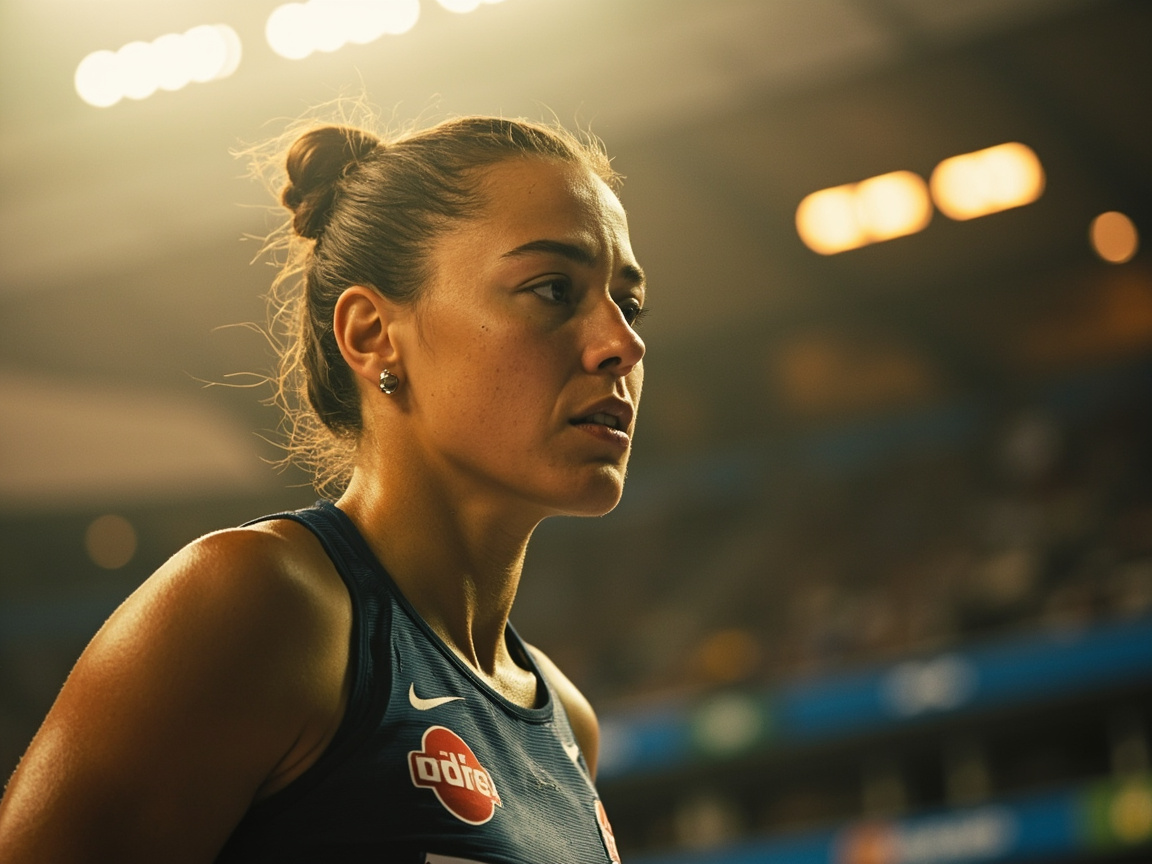
Hosting a mega-event such as the Olympics or a World Cup offers enormous diplomatic leverage. Television broadcasters beam the host country's flag, culture and leaders into hundreds of millions of homes. For a regime under pressure, this global exposure can buy political legitimacy that no advertising campaign could match. Sponsorship deals, new infrastructure and tourism revenue are welcome side effects, but the real prize is narrative control.
Critics Raise Their Voices
Human rights organisations have stepped up scrutiny of countries chosen to host major tournaments. They point to human rights concerns, restrictions on dissent and the treatment of migrant workers building venues. Some activists call for a boycott, while others urge athletes and sponsors to speak out during the events themselves. The debate has become increasingly geopolitical, turning stadiums into stages for international tension.
The Athlete's Dilemma
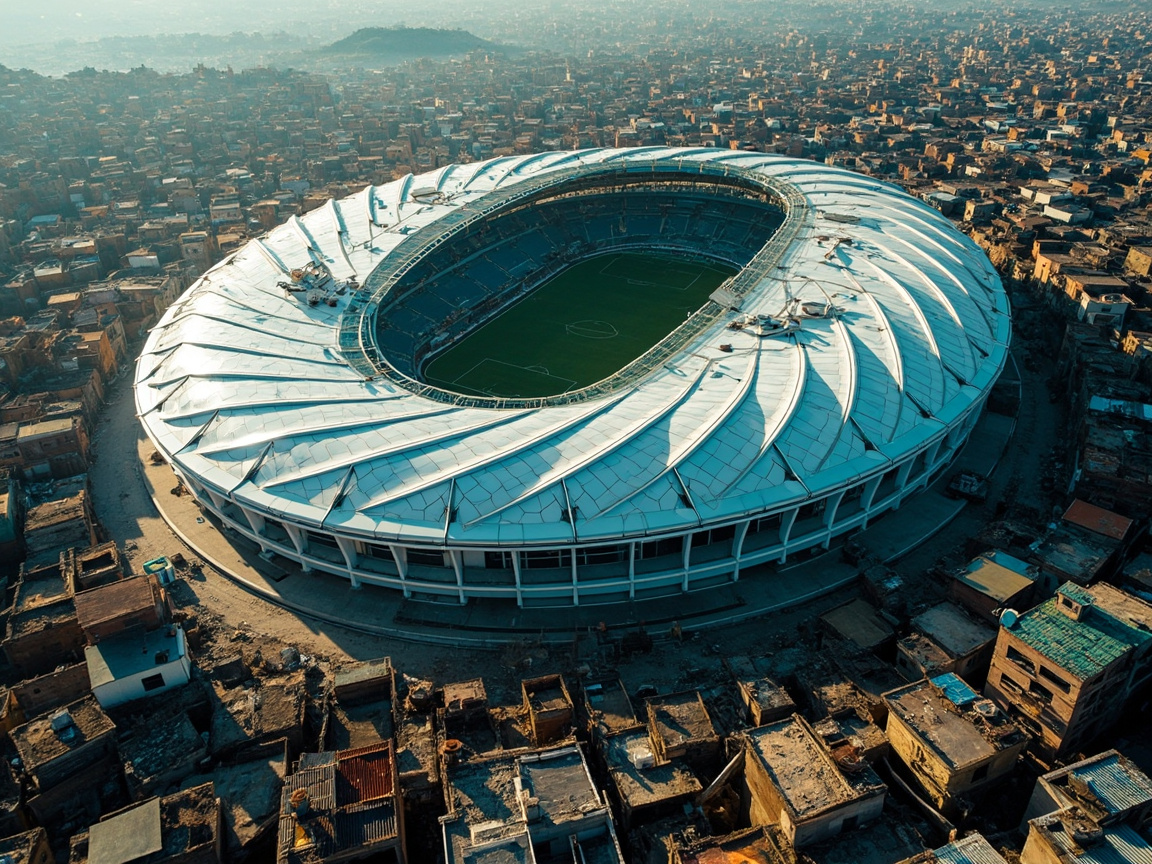
For competitors, the question is rarely simple. Many train their entire lives for a single Games and fear that protest may end their careers. Others believe silence is itself a form of complicity, and choose to use interviews or podiums to highlight injustice. Each sponsor brand attached to the event also faces a choice: stand for profit, or stand for principle. The result is a moral balancing act played out under bright lights.
Fair Play, or a Clever Whitewash?
Supporters insist that sport and politics have always been intertwined, and that hosting builds bridges rather than hides crimes. Yet to whitewash a reputation, critics argue, is precisely the point. The next mega-event will almost certainly reignite the argument, forcing fans, federations and governments to decide what they are really watching: a competition, or a performance.
Quiz
-
1What is the main purpose of 'sportswashing', according to the article?
The article defines sportswashing as using major sporting events to improve a country's international image.
-
2Which of the following is described as a 'side effect' of hosting a mega-event?
The article lists sponsorship deals, infrastructure and tourism as welcome side effects, while the 'real prize' is narrative control.
-
3What do critics say hosting a mega-event can buy for a regime under pressure?
The article states that global exposure can buy political legitimacy that no advertising campaign could match.
-
4Why is the athlete's situation described as a 'moral balancing act'?
The article notes that athletes fear protest may end their careers, while others see silence as a form of complicity.
-
5According to the article, what is the 'real prize' of hosting a mega-event?
The article explicitly says the real prize of hosting is narrative control, not just the economic benefits.