Everyday Explorers: How Citizen Scientists Are Changing Research
From garden bird feeders to smartphone apps, ordinary people are helping scientists collect data on a massive scale.
A New Kind of Researcher
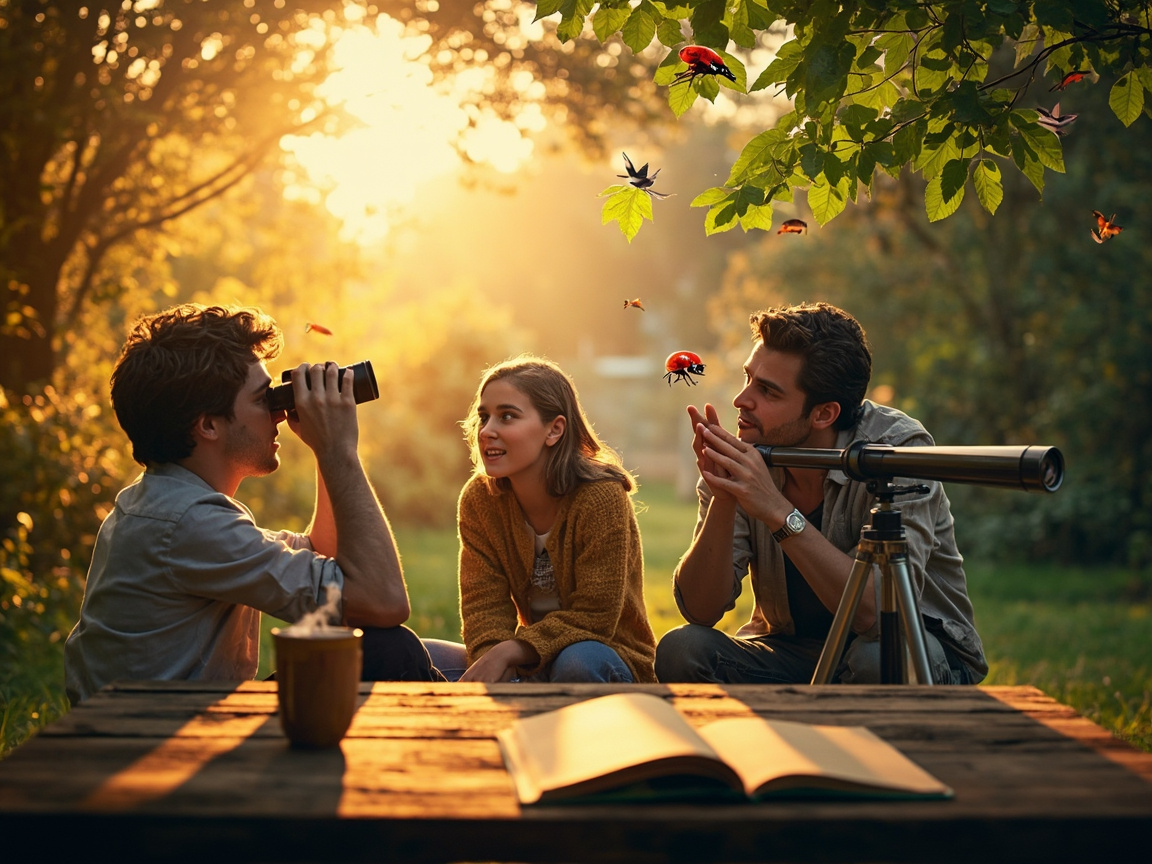
A citizen scientist is an ordinary person who helps researchers collect data for real scientific projects. The idea is not new — the Audubon Society's Christmas Bird Count began in 1900 — but today's smartphones and apps have made it easier than ever to contribute. Anyone with curiosity, a notebook or a phone, and a little training can now make a useful observation from their own backyard. What once required expensive equipment and a university degree is now open to almost everyone.
Counting Feathers
Every February, the Great Backyard Bird Count invites people around the world to survey the birds they see in just fifteen minutes. In 2024, more than 642,000 participants counted over 7.8 million birds from 210 countries, adding valuable records to a global database. This information helps researchers track which species are thriving and which are declining. It also reveals how birds migrate and how their habitat is changing under pressure from cities, farms and climate change.
Gazing Up
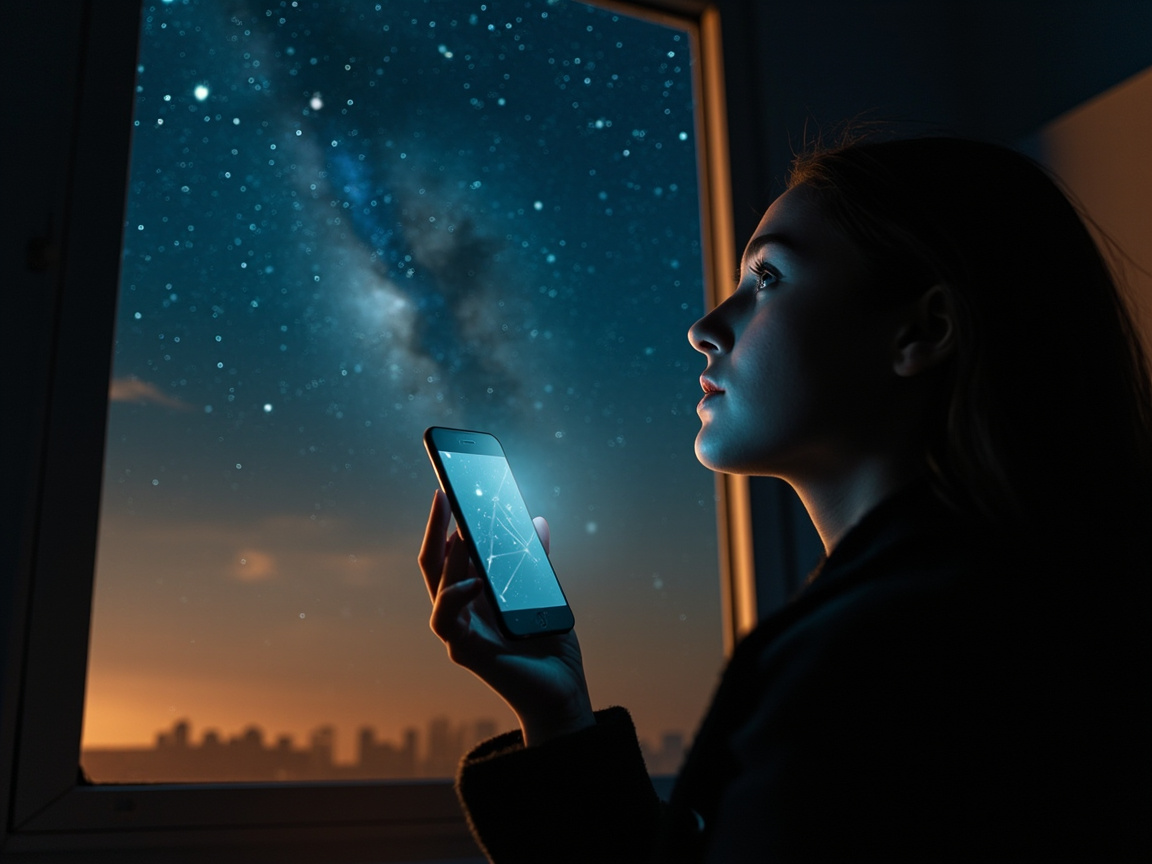
In the field of astronomy, citizen scientists help monitor stars, comets and unusual sky events. Projects like Globe at Night ask volunteers to measure light pollution simply by counting the stars they can see in a chosen constellation. Some sky-watchers even report new phenomenon that professional telescopes have not yet captured. These reports feed into large international databases used by both amateur stargazers and professional researchers to track how the night sky is changing.
Tiny Creatures, Big Data
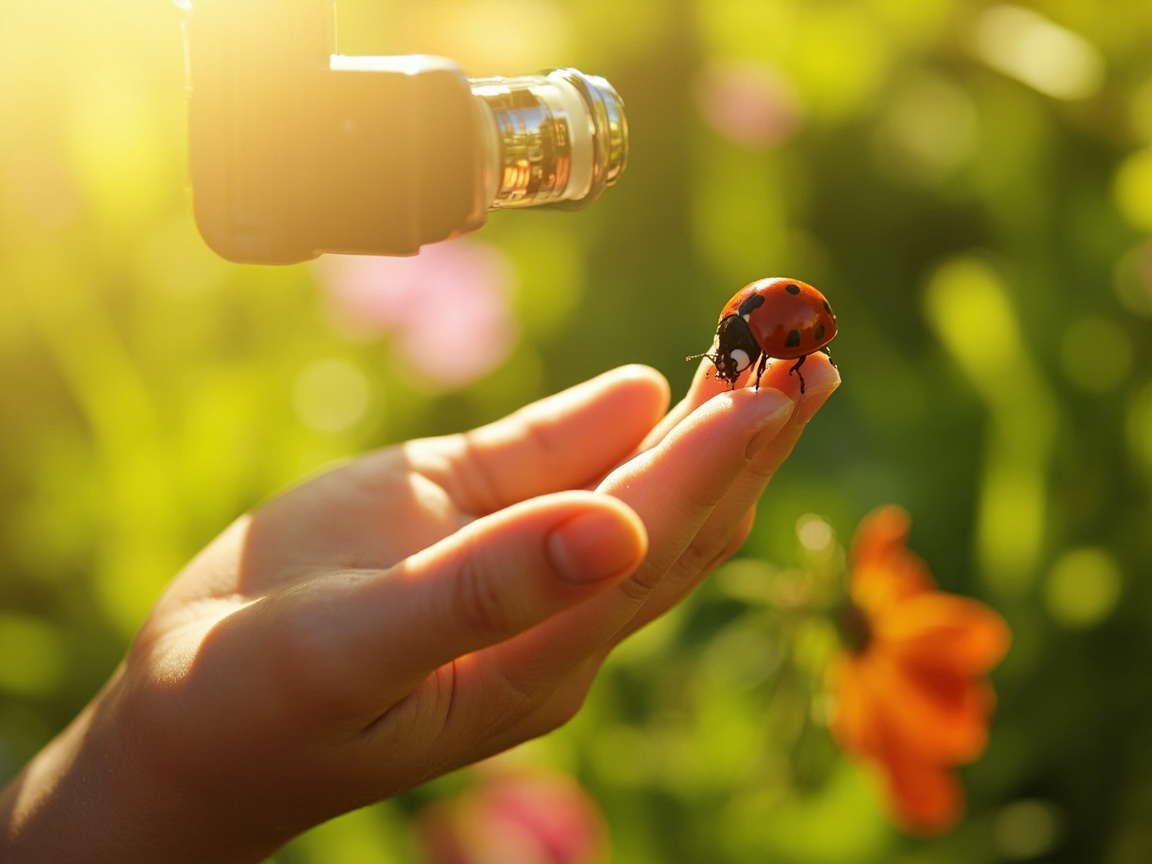
Bugs may be small, but they matter enormously for biodiversity. Programs such as the Lost Ladybug Project ask volunteers to photograph any ladybugs they find, then upload the pictures to a central site. Because insect populations are changing fast — especially important conservation pollinators like bees — these amateur snapshots are extremely valuable. Together, the photos build a detailed picture of where different ladybug species still survive and where they have disappeared.
Why It Matters
The numbers are impressive, but the impact goes beyond counting. volunteer data has been used in hundreds of peer-reviewed papers, and citizen scientists have even helped discover new species. Researchers analyze the crowdsourced records alongside satellite images and climate data to spot long-term trends. In many cases, this work influences real conservation decisions, from protecting forests to creating safer routes for migrating animals.
How to Get Involved
Joining a citizen science project is easier than ever. A quick online search for projects in your country will reveal apps for birds, stars, plants, frogs and even soil. Most require no special equipment, only a few minutes a week and a willingness to contribute careful notes. In return, you join a worldwide community of people who prove that science is not only for people in white coats — it belongs to everyone.
Quiz
-
1When did the Audubon Society's Christmas Bird Count begin?
The article states that the Christmas Bird Count began in 1900.
-
2Approximately how many birds were counted during the 2024 Great Backyard Bird Count?
The article says more than 7.8 million birds were counted in 2024.
-
3What does the Globe at Night project mainly ask volunteers to measure?
Globe at Night asks volunteers to measure light pollution by counting visible stars.
-
4The Lost Ladybug Project mainly helps scientists study which area?
The article explains that the project helps track insect biodiversity, especially ladybug populations.
-
5According to the article, how have citizen scientists influenced conservation decisions?
The article states that crowdsourced data influences real conservation decisions, from protecting forests to creating safer migration routes.