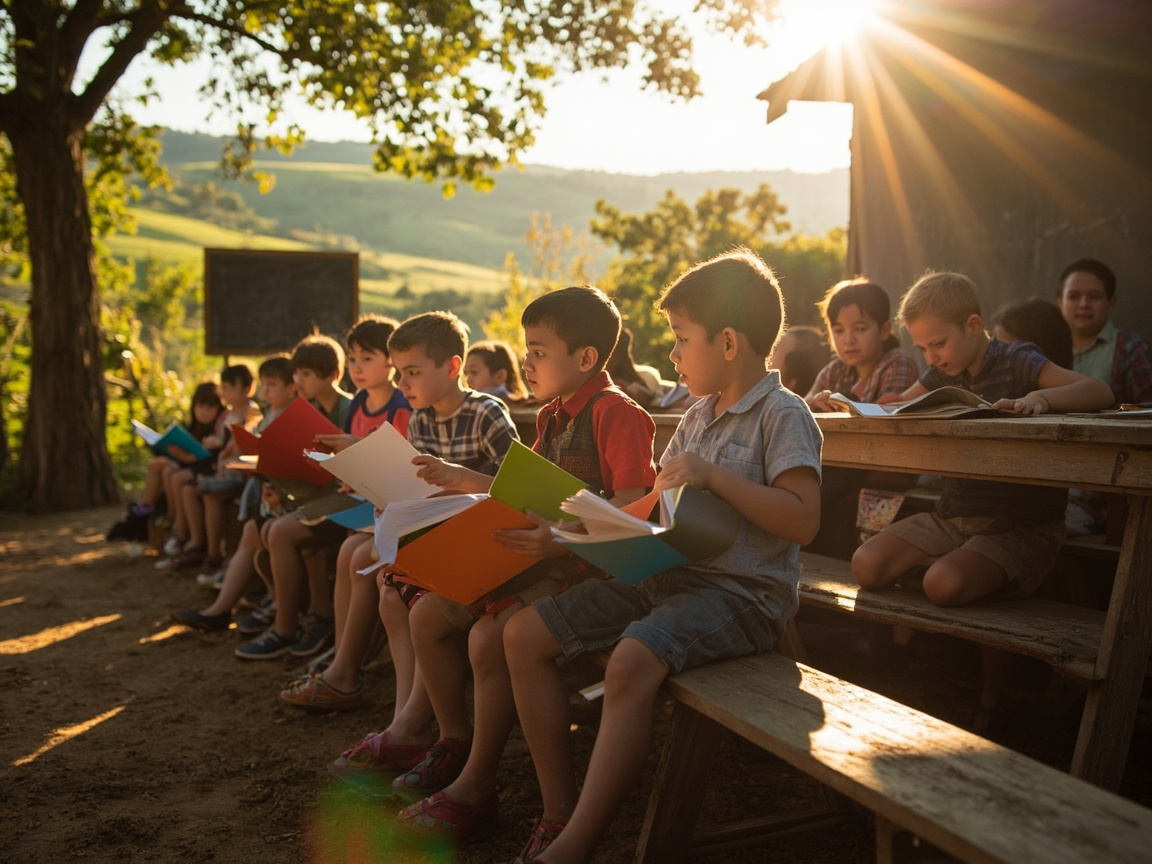
Reading the World: The Global Fight Against Illiteracy
From rural classrooms to refugee camps, communities are rewriting the future through literacy programs.
A Global Snapshot
Around the world, the ability to read and write remains unevenly distributed. According to recent UNESCO estimates, roughly 773 million adults and young people still lack basic literacy skills. This means that about one in ten people on the planet is effectively illiterate, unable to read a simple instruction or sign their own name. The numbers also reveal deep disparities between countries, genders, and generations. Closing this gap is one of the most urgent development goals of our time.
Where the Gaps Are
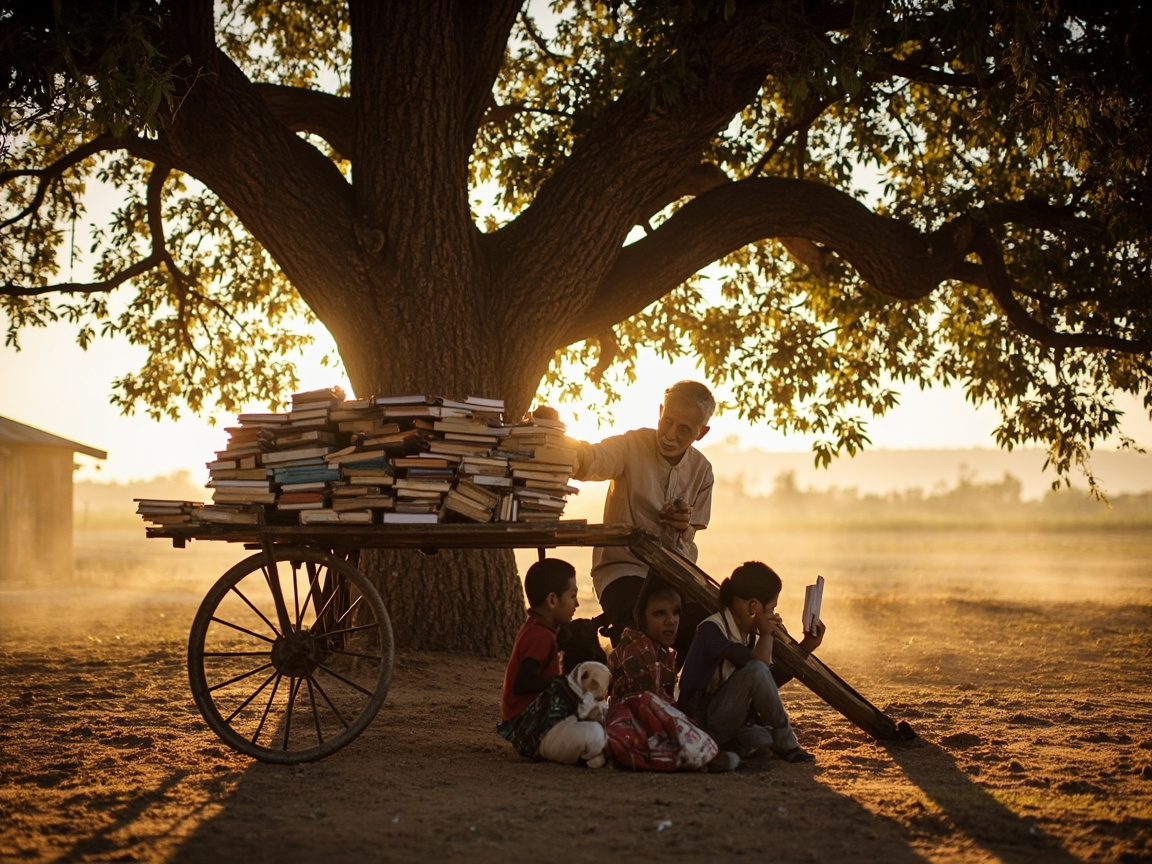
Literacy rates are highest in Europe, North America, and parts of East Asia, but the situation is far more serious in sub-Saharan Africa and South Asia. In some of the world's poorest regions, fewer than half of all adults can read a full sentence. Rural communities, displaced populations, and girls in certain regions face the greatest obstacles to access education. Raising public awareness about these gaps is the first step toward closing them.
The Hidden Cost
Illiteracy is not only a personal challenge — it is a social and economic one. Adults who cannot read earn less, find it harder to access healthcare information, and often pass on limited literacy skills to their children. Countries with high illiteracy also struggle to grow their economies and to build strong democratic institutions. For women and girls in particular, the empowerment that comes with reading can transform entire families.

Programs Making a Difference
Around the world, both large and small initiatives are working to change this picture. Grassroots organizations run after-school reading clubs in villages, while international groups such as Room to Read and ProLiteracy train local teachers and publish children's books in local languages. Mobile libraries travel to remote farms, and refugee camps now host their own schools. Advocates say that long-term funding and community involvement are essential to make these efforts sustainable.
The Road Ahead
New technology is changing what literacy programs can do. Simple mobile apps help adults practise reading on their phones, and artificial intelligence tools are being adapted to local languages. Yet experts warn that digital solutions must be inclusive — reaching those without internet, not just urban students. With global cooperation, the next decade could see a transformative shift. To mobilize that change, governments, donors, and ordinary citizens all have a role to play.
اختبر نفسك
-
1According to recent UNESCO estimates, roughly how many adults and young people lack basic literacy skills?
The article states that around 773 million adults and young people lack basic literacy skills.
-
2In which region does the article say literacy rates are among the lowest?
The article identifies sub-Saharan Africa (along with South Asia) as a region with very serious literacy gaps.
-
3According to the article, what is one economic effect of illiteracy on adults?
The article states that adults who cannot read tend to earn less than those who can.
-
4Which type of organization is described as running after-school reading clubs in villages?
The article says that grassroots organizations run after-school reading clubs in villages.
-
5Why does the article say digital literacy solutions must be 'inclusive'?
The article warns that digital tools must reach those without internet, not only urban students.