Logging Off: The Global Movement for the Right to Disconnect
How France, Portugal and beyond are rewriting the rules of after-hours email
A French First
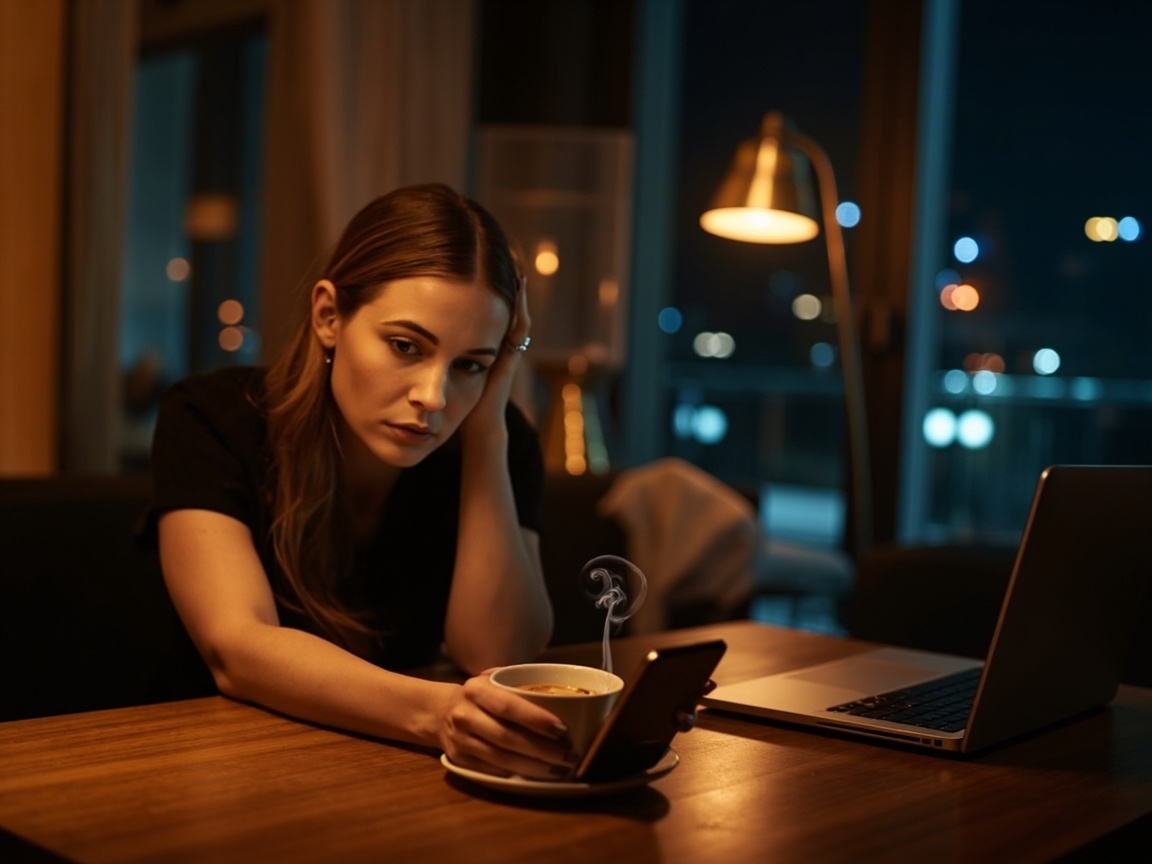
In 2017, France made history by passing a landmark law that gives workers the legal right to ignore work emails sent outside normal working hours. The so-called "right to disconnect" emerged after years of growing concern about employees feeling constantly tethered to their smartphones. Trade unions pushed for the legislation because burnout cases were rising sharply across the country. Today, companies with more than 50 employees must negotiate clear boundaries around after-hours communication or risk being accused of failing to protect staff well-being.

Portugal Goes Further
Portugal took the French idea and pushed it even further. In November 2021, the Portuguese parliament approved an amendment that actually bans bosses from contacting workers after hours, with very few exceptions. The law also prohibits managers from punishing employees who choose not to reply to messages sent in the evening or at the weekend. Officials say the goal is to fight the epidemic of workplace burnout and to give families more time together. Violations can lead to financial penalties for the employer.
What the Rules Actually Mean
In practice, the rules are not as strict as they sound. France's law does not fine companies that fail to maintain compliance; it simply requires them to open a discussion with staff. Portugal's version is more forceful, but enforcement still depends on workers reporting their own employers. Many companies have introduced simple policies, such as delaying email delivery until the next morning or setting phones to "do not disturb" automatically after 7 p.m. Critics argue that the rules are cumbersome to police, while advocates insist that even talking about boundaries slowly changes workplace culture.
A Global Trend
France and Portugal are not alone. Italy passed similar rules in 2017, and Spain, Belgium and the Netherlands have introduced guidelines of their own. Outside Europe, countries like Australia and parts of Canada are now debating similar legislation. The shift accelerated during the COVID-19 pandemic, when remote work blurred the line between the office and the home. Suddenly, the kitchen table became a desk, and bedtime became overtime. Lawmakers are now trying to redraw that line through new laws.
Does It Work?
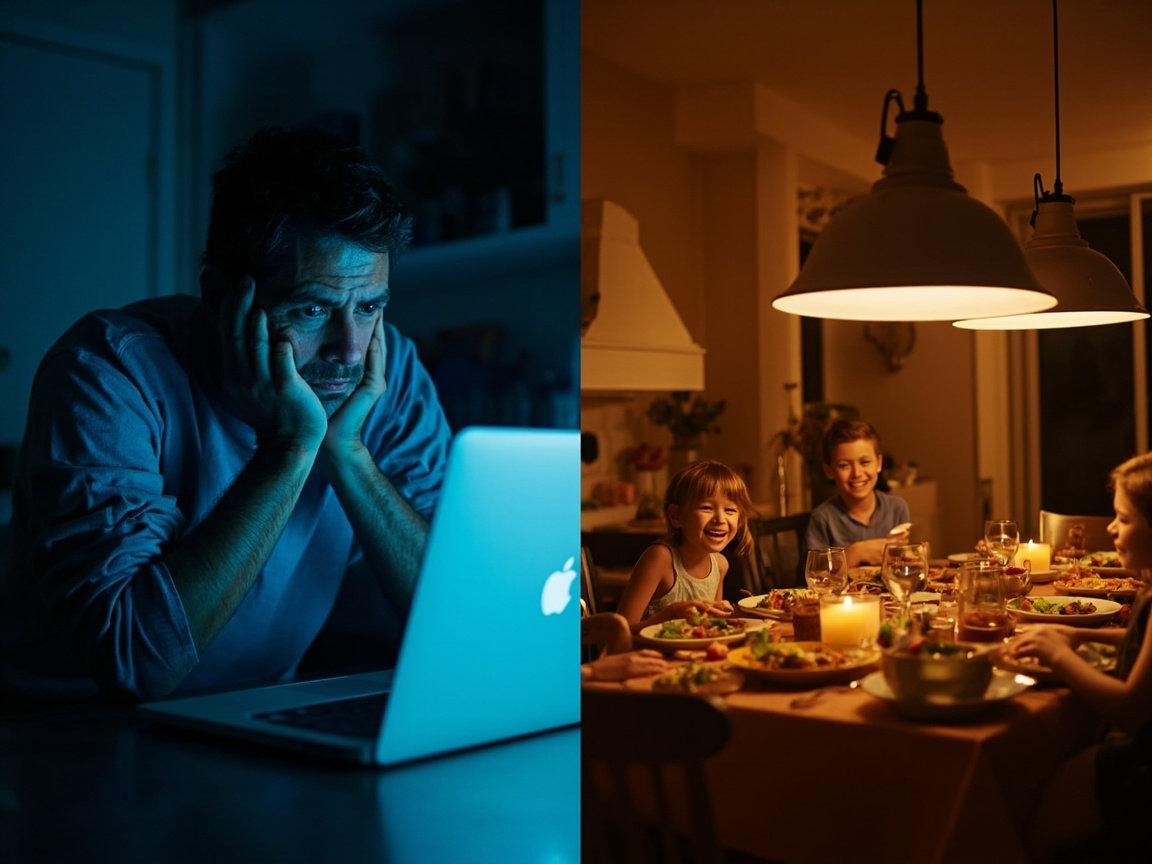
The results so far are mixed. Surveys suggest that a majority of workers in France still check emails after hours, often out of habit or pressure to please their boss. However, researchers note a gradual shift in attitudes: more employees feel comfortable setting boundaries, and more managers respect them. For the new generation entering the workforce, the right to disconnect is becoming a basic expectation, much like paid holidays or sick leave. Whether the law or the culture changes first is still an open question.
The Future of Work-Life Balance
The right to disconnect sits at the heart of a bigger debate: what does a healthy relationship with work look like in the digital age? Supporters see it as a necessary defence of human well-being in a 24/7 economy. Opponents worry that rigid rules could slow down global businesses or harm workers who genuinely want more flexibility. The conversation is far from over, but one thing is clear: the era of feeling guilty for not answering a 10 p.m. email may be slowly coming to an end. As workers and employers learn to negotiate new digital habits, the office of the future may look very different from the one we know today.
اختبر نفسك
-
1In which year did France first pass its 'right to disconnect' law?
The article clearly states that France passed the landmark law in 2017.
-
2What makes Portugal's 2021 law stronger than France's?
The article explains that Portugal's amendment bans bosses from contacting workers after hours, unlike the softer French approach.
-
3According to the article, what changed during the COVID-19 pandemic?
The article says remote work during the pandemic blurred the line between the office and the home.
-
4Why do many French workers still check their email after hours?
The article says workers still check email 'often out of habit or pressure to please their boss.'
-
5Which country is NOT mentioned in the article as having or considering similar laws?
Italy, Spain and Australia are all mentioned, but Germany does not appear anywhere in the article.