
Satire: The Sharpest Form of Criticism
From Swift to late-night TV — why laughing at power is a serious business
The Art of Saying the Unsayable
Satire is more than a joke. It is a literary and artistic weapon that uses humor, irony, and exaggeration to expose the follies and vices of society. Unlike simple comedy, which aims primarily to entertain, satire has a clear target: power, hypocrisy, and injustice. Writers such as Jonathan Swift, Mark Twain, and George Orwell turned ridicule into a refined art form, proving that a well-placed punchline can travel further than a sermon. In democracies and dictatorships alike, satirists have always found a way to speak truth to authority when straight speech becomes impossible.
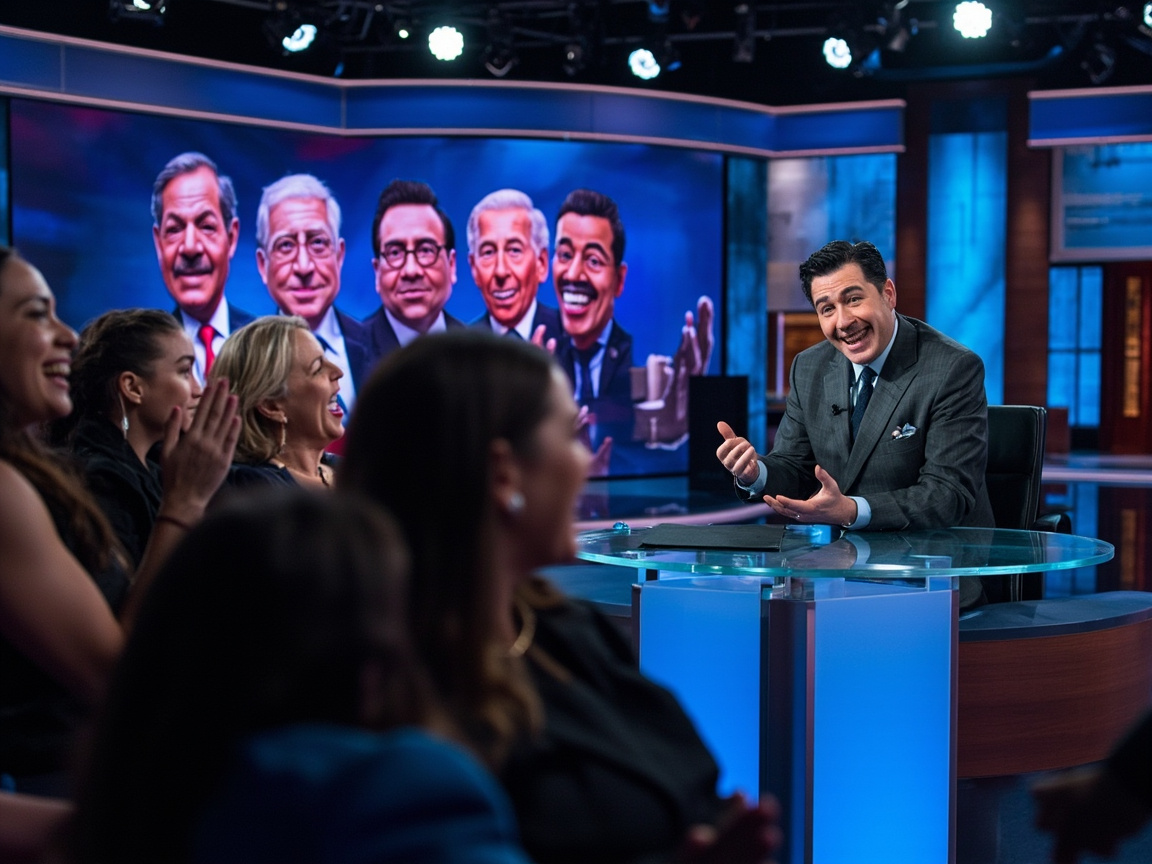
From Gulliver's Travels to Late-Night TV
The history of satire stretches back centuries, but its modern form took shape in the eighteenth century. Swift's modest proposal to solve Irish poverty by eating children shocked readers and forced them to confront British policy. Since then, every generation has produced its own satirists — from the editorial cartoons of the nineteenth century to the parody shows of today. Television, in particular, gave satire a mass audience. Programmes like Saturday Night Live and The Daily Show have shaped political conversation in the United States and beyond, often setting the day's agenda with a single sketch.
Why the Powerful Don't Always Laugh
Satire thrives where there is something to criticize. A pompous politician, a greedy executive, or a leader guilty of hypocrisy offers the satirist perfect material. The satirist's job is to skewer reputations, mock authority, and reveal the gap between what leaders say and what they actually do. This is why satirists are often disliked by the very people they portray. A scathing sketch can end a career or sink a policy, and history is full of regimes that have tried to silence comedians through censorship, fines, or worse.
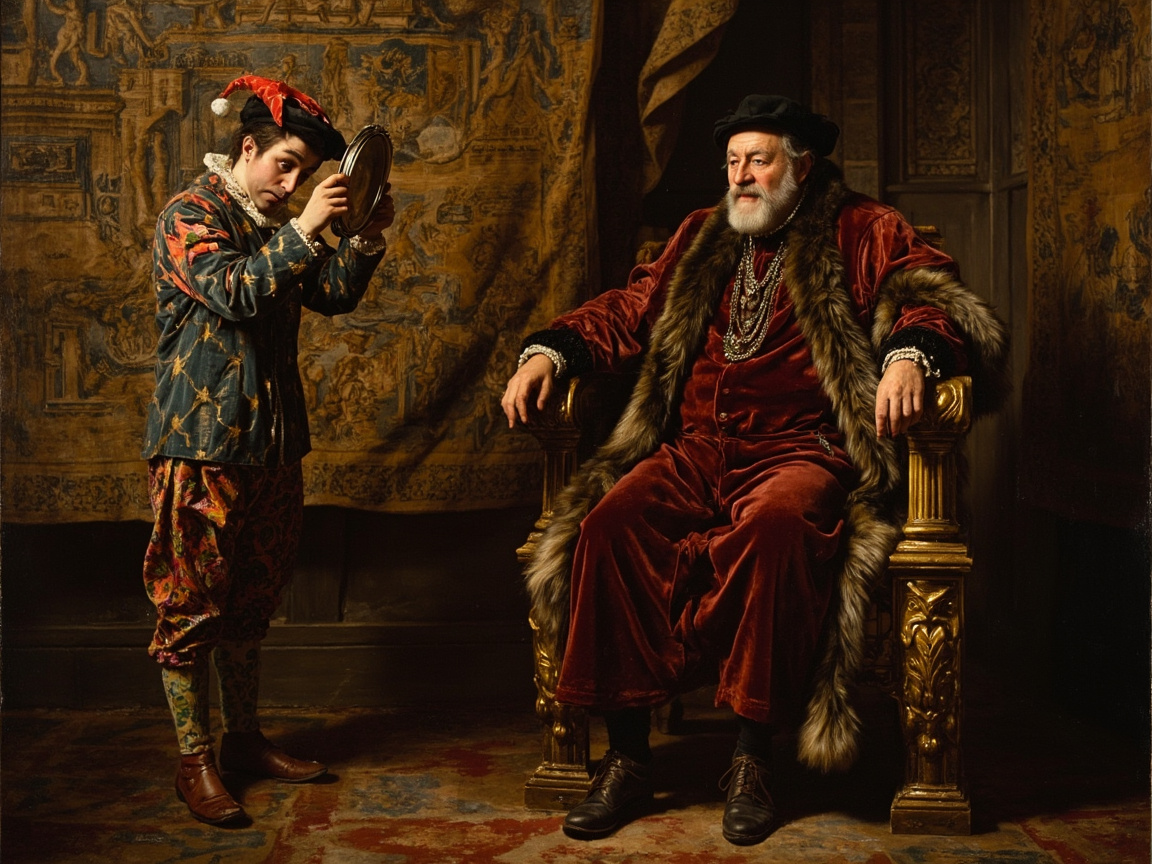
The Fine Line Between Wit and Cruelty
Not all humor is satire. A simple joke can make us laugh and forget our troubles; satire wants us to think, and sometimes to feel uncomfortable. The best satire balances wit with moral purpose, using laughter as a vehicle for criticism. When done poorly, satire can become a lazy insult, punching down at the weak rather than up at the powerful. The tradition of writers like Voltaire and Mark Twain reminds us that satire at its best is a form of civic duty — uncomfortable, but necessary.
Satire in the Age of Memes
Today, satire has gone viral. A single tweet, a meme, or a fifteen-second video can mock a president or a billionaire before the news cycle catches up. This speed is both a gift and a risk: satire can spread truth faster than ever, but it can also be stripped of context or mistaken for a sincere belief. As audiences, we are now all expected to be readers of satire, decoding irony in a feed of competing voices. The art of laughing at power has never been more alive — or more necessary.
اختبر نفسك
-
1According to the article, what is the main difference between satire and simple comedy?
The article states that satire uses humor, irony, and exaggeration to expose follies and has a clear target, while ordinary comedy mainly aims to entertain.
-
2Which eighteenth-century writer is mentioned in the article as a famous satirist?
The article names Jonathan Swift as a famous satirist who wrote 'A Modest Proposal' in the eighteenth century.
-
3Which modern television programmes are cited as examples of political satire?
The article specifically mentions 'Saturday Night Live' and 'The Daily Show' as modern satirical shows that shape political conversation.
-
4What does the article say can happen when satire is done poorly?
The article warns that poor satire can turn into a lazy insult, punching down at the weak instead of up at the powerful.
-
5According to the article, what is happening to satire in the internet age?
The article states that satire has gone viral through tweets, memes, and short videos, making it more alive than ever.