Carbon Border Taxes: Where Climate Policy Meets Global Trade
Europe's new carbon charge is rewriting the rules of international commerce — but not without controversy.
A New Kind of Tariff
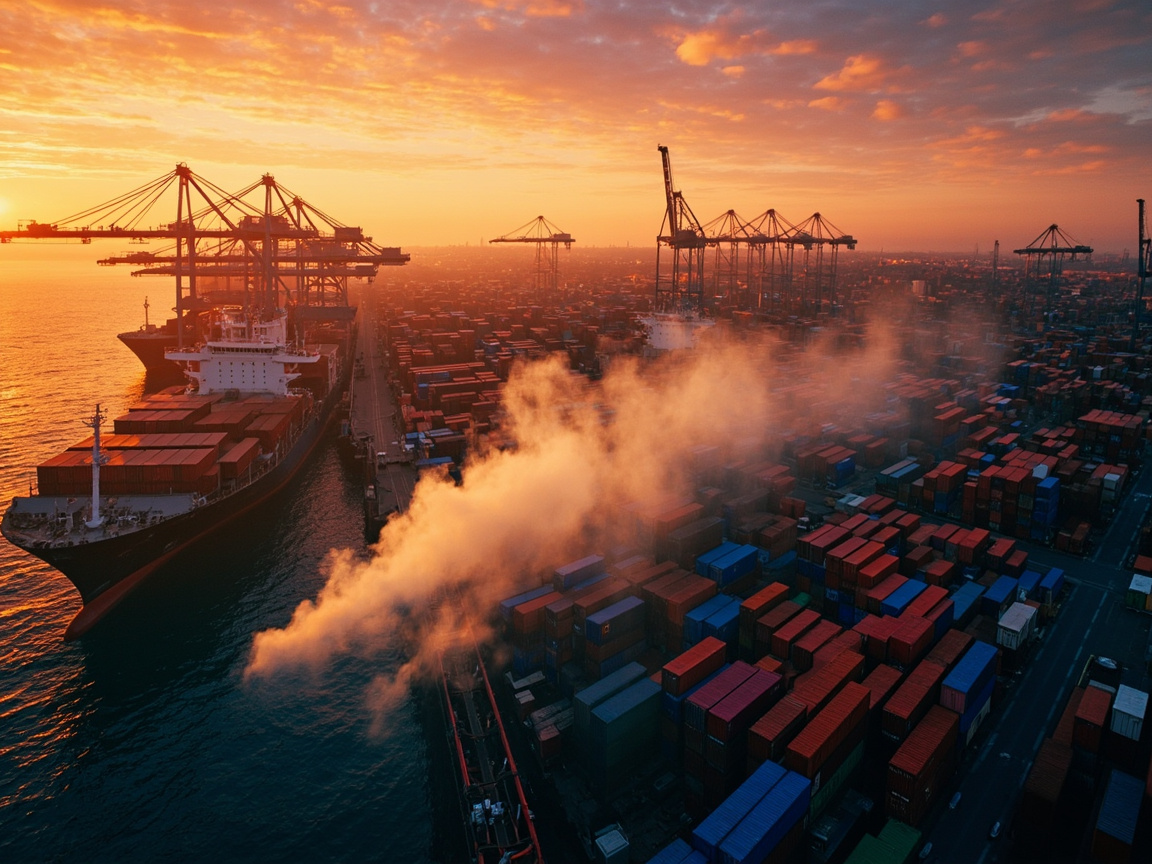
In 2023 the European Union began rolling out a landmark climate tool: the Carbon Border Adjustment Mechanism, or CBAM. Unlike a traditional tariff, which taxes imported goods by price or weight, CBAM charges importers based on the hidden climate cost of producing them abroad. The idea is simple but radical — if European factories must pay for their carbon emissions, foreign factories should follow the same rules, or pay the difference. Officials in Brussels describe the policy as a way to fight carbon leakage, the phenomenon in which strict climate rules simply push polluting industries to countries with weaker standards.
How the Mechanism Works
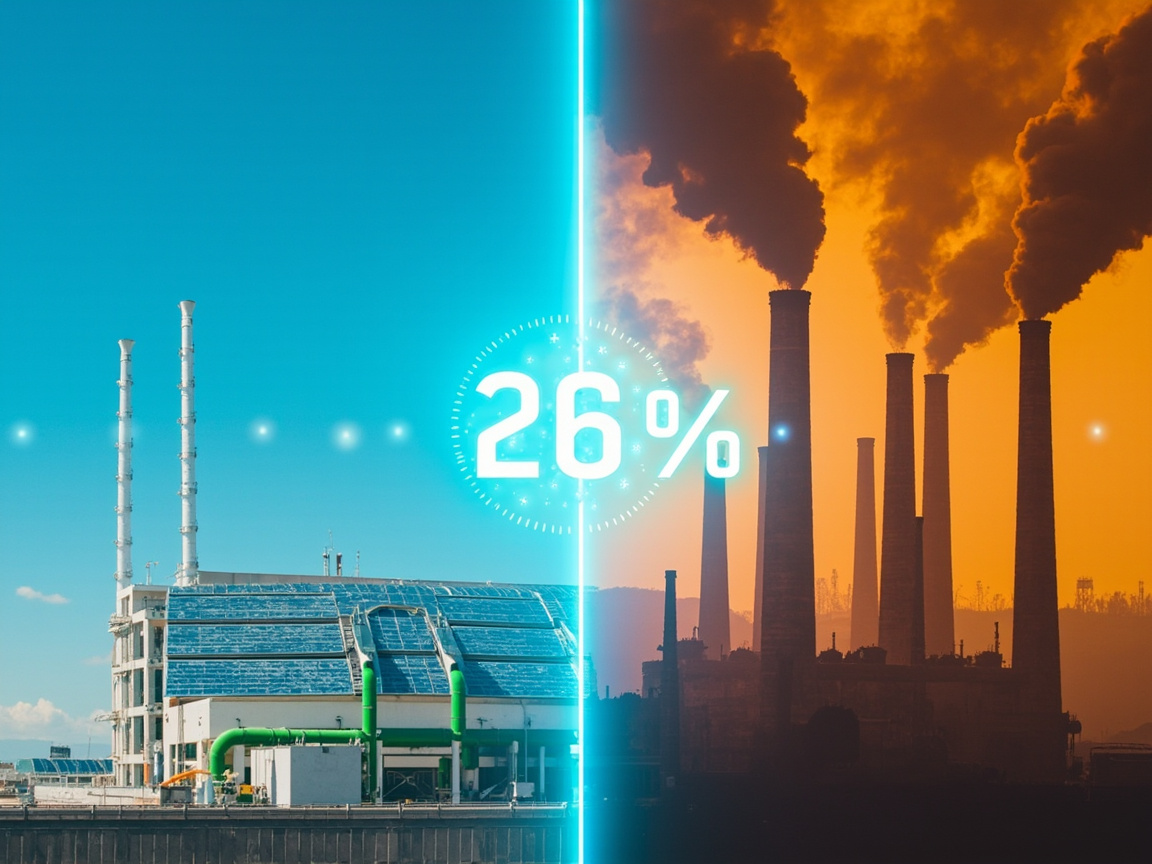
CBAM currently covers a small but strategic list of products: steel, cement, aluminium, fertilisers, electricity and hydrogen. Importers must declare the emission levels baked into each shipment and purchase carbon certificates equal to the gap between that figure and the EU's own price on pollution. The revenue flows back into national treasuries, while the certificates themselves act like a tradable levy tied to the EU's emissions trading system. Companies that can prove their suppliers use cleaner technologies may qualify for reduced payments, making compliance paperwork as important as the goods themselves. By 2026, the transitional reporting phase will end and full financial obligations will kick in.
Winners: Cleaner Producers and Climate Diplomats
In theory, CBAM rewards countries and companies that have already invested in low-carbon production. Norwegian aluminium smelters powered by hydropower, Brazilian steel mills running on charcoal, and South Korean hydrogen plants built with state-of-the-art technology are well placed to compete on equal terms inside the EU market. Environmental groups have welcomed the mechanism as a diplomatic lever that could pressure trading partners to adopt stronger climate policies of their own. Some analysts even call it a quiet form of climate leadership, since it exports the EU's rules without demanding any country change its own laws.
Losers: Polluting Giants and Developing Economies
Not everyone is celebrating. Major exporters of carbon-heavy goods, including India, China, Russia and Turkey, have criticised the levy as a disguised trade barrier dressed in green clothing. Indian officials argue that the EU's benchmark for measuring emissions fails to account for the fact that poorer nations rely on coal for economic growth. Smaller African exporters fear being shut out of European markets entirely, since they often lack the technology to track and verify their carbon footprint. The result is a growing sense that CBAM, despite its environmental purpose, could deepen global inequalities and trigger a trade dispute at the World Trade Organization.
Loopholes and the Road Ahead
Critics have also pointed to a series of loopholes. Goods that are only lightly processed before reaching Europe may escape the charge, and complex supply chains make verification difficult. Some companies are already exploring ways to retrofit their plants quickly, while others are lobbying for exemptions. At the same time, the EU insists the system is fair because importers in different jurisdictions face identical rules once their goods enter the single market. Whether CBAM becomes a genuine engine of decarbonisation or simply a new source of trade friction may depend on how quickly other major economies — from the United States to the G20 — adopt their own carbon pricing tools. If they do, the EU's bold experiment could yet reshape the global economy.
اختبر نفسك
-
1What is the main purpose of the EU's Carbon Border Adjustment Mechanism (CBAM)?
The article explains that CBAM charges importers based on the climate cost of producing goods abroad, rather than banning or taxing imports directly by weight or price.
-
2Which of the following products is currently covered by CBAM?
The article lists aluminium among the products covered by CBAM, alongside steel, cement, fertilisers, electricity and hydrogen.
-
3What is 'carbon leakage' as described in the article?
The article defines carbon leakage as the phenomenon in which strict climate rules simply push polluting industries to countries with weaker standards.
-
4Why have countries like India and China criticised CBAM?
The article reports that major exporters of carbon-heavy goods have called the levy a disguised trade barrier and worry it could deepen global inequalities.
-
5What 'loophole' related to CBAM does the article mention?
The article notes that goods that are only lightly processed before reaching Europe may escape the charge, and that complex supply chains make verification difficult.