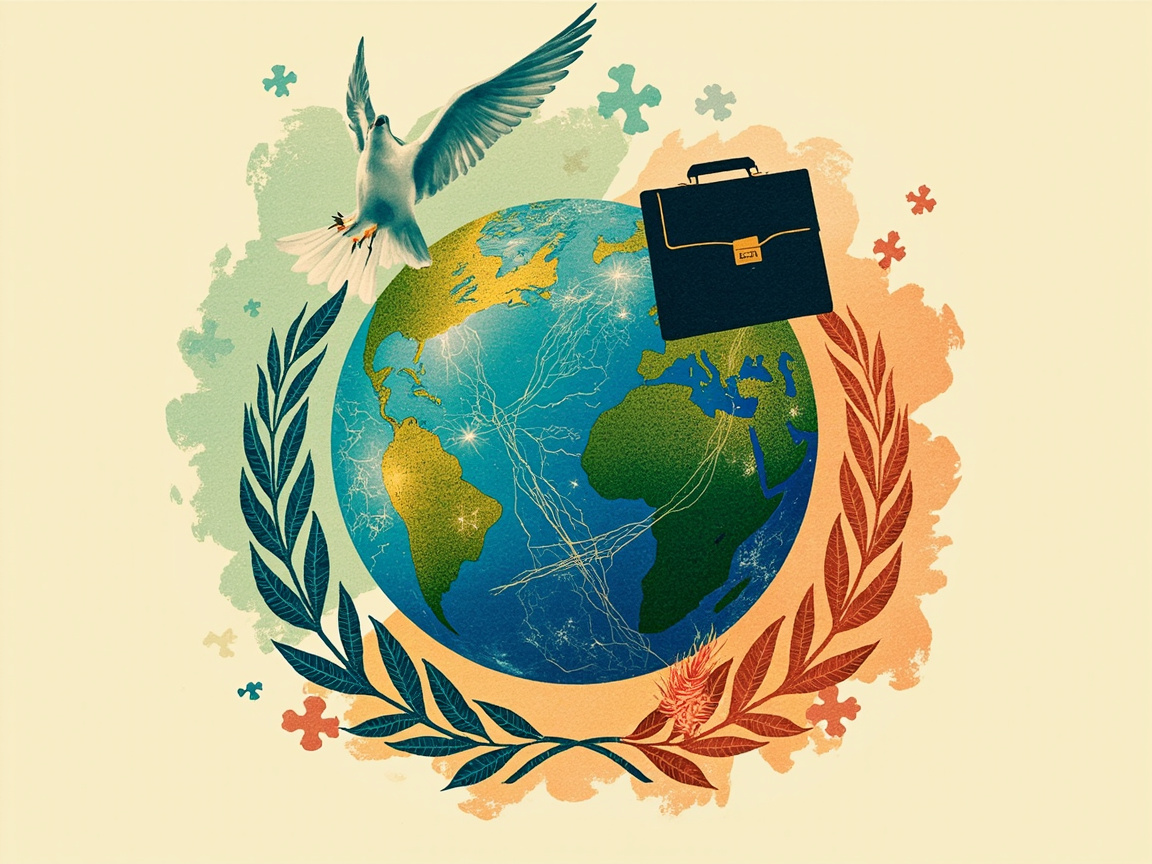
Quiz: Global Affairs This Decade
A challenging quiz on the geopolitics, crises, and trends shaping the 2020s.
A Multipolar World Takes Shape
The 2020s have witnessed a marked shift away from US unipolar dominance toward a far more contested global order. The war in Ukraine, US-China strategic rivalry, and the rise of middle powers such as India, Brazil, and the Gulf states have eroded the assumption of a single hegemony shaping world events. Multilateral institutions like the UN, WTO, and G20 are being challenged or bypassed as nations pursue more transactional relationships, producing strategic fragmentation — a world where national sovereignty is fiercely defended. This new environment demands constant diplomacy and a deep understanding of regional dynamics.
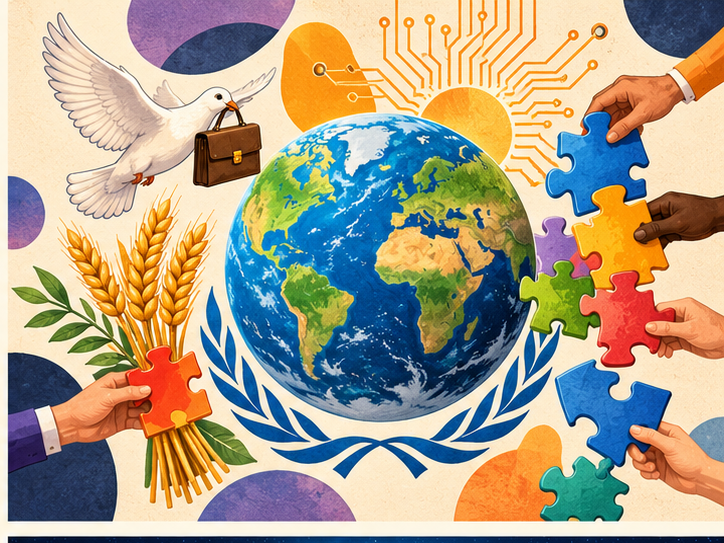
Flashpoints and Fault Lines
Beyond great-power rivalry, the decade has been marked by cascading crises that have tested global resilience. The lingering effects of COVID-19 exposed weaknesses in supply chains and pushed governments to prioritize self-sufficiency over efficiency, while the Russia-Ukraine war triggered sweeping Western sanctions and revived deterrence as a core policy doctrine. In the Middle East, the Israel-Hamas war raised fears of broader regional polarization and humanitarian collapse. At the same time, the rapid rise of artificial intelligence introduced a technological paradigm shift in how states project power and compete economically.
اختبر نفسك
-
1According to the article, what is described as no longer undisputed in the 2020s?
The first section states that 'hegemony' is no longer undisputed, as power has grown more contested.
-
2What does the article say is happening to multilateral institutions such as the UN, WTO, and G20?
The article notes these institutions are 'being challenged or bypassed' as states pursue more transactional ties.
-
3The article says the COVID-19 pandemic exposed vulnerabilities mainly in:
The second section explicitly links the pandemic to weaknesses in supply chains and a turn toward self-sufficiency.
-
4The Israel-Hamas war is described as raising fears of:
The text states the conflict 'raised fears of broader regional polarization and humanitarian collapse.'
-
5The article describes the rise of artificial intelligence as:
The final sentence calls AI 'a technological paradigm shift in how states project power and compete economically.'